Problems and concerns related to shared housing
When moving into a shared house, it's a good idea to be aware of common questions and concerns. Knowing what points to pay attention to from signing the lease to moving out, and confirming who to contact for assistance, will give you peace of mind.*Consultation regarding shared housing
- Pre-move-in consultation
- Consultation regarding move-in procedures
- Consultation regarding problems during tenancy
- Consultation regarding move-out procedures
Consultation regarding shared housing ① Concerns before moving in
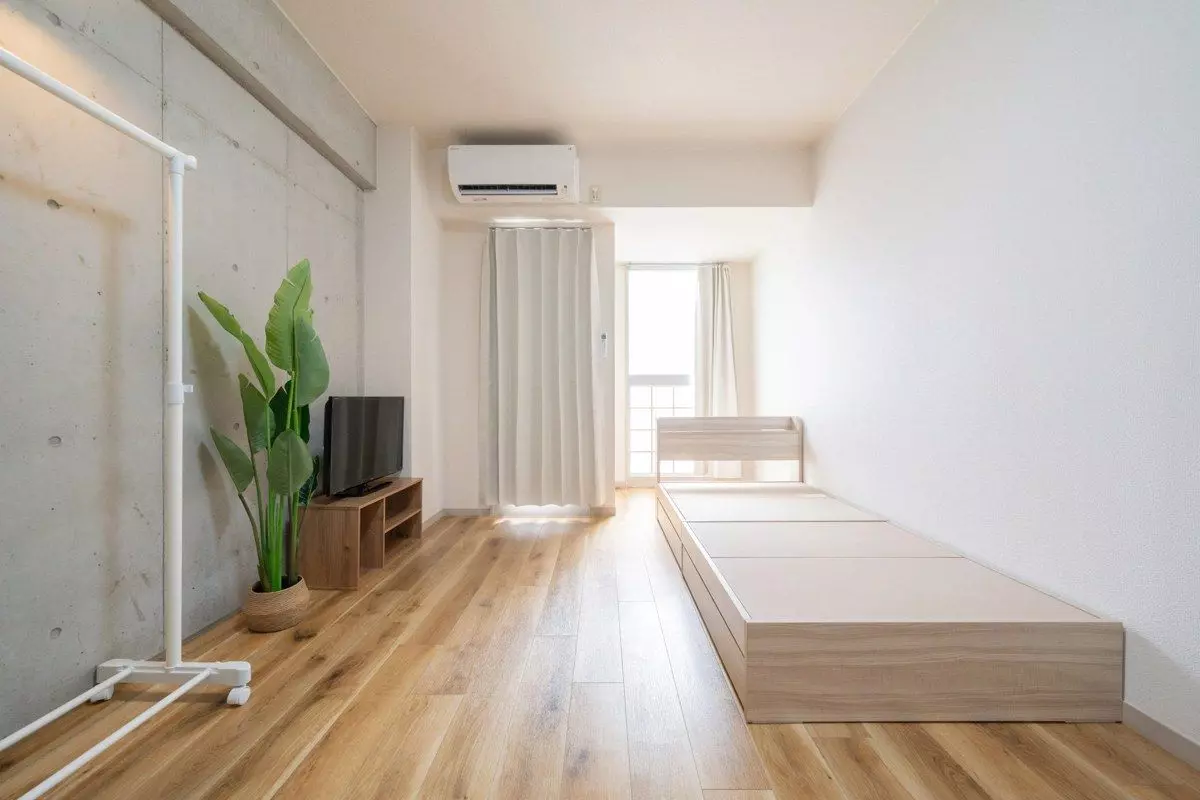
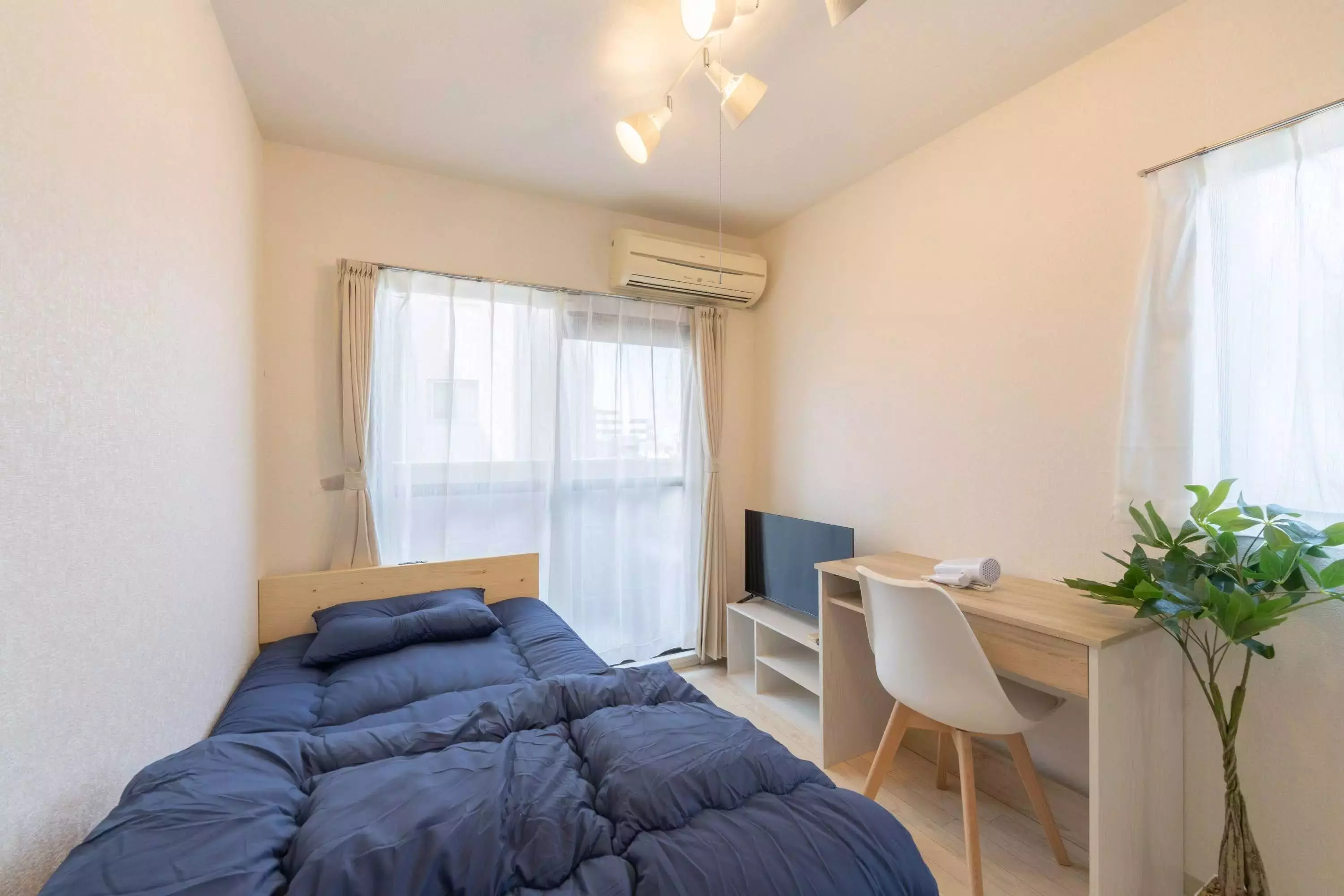
Before moving into a share house, you'll likely have many questions and concerns. Generally, you can contact the share house management company for any questions or concerns before moving in.It's recommended to check details such as property information and concept, the age range of residents, room layout, and whether furniture is included before moving in. If possible, it's best to actually view the property beforehand for peace of mind.
The biggest difference between a share house and a regular rental property is the presence of shared areas. To avoid problems after moving in, it's necessary to be able to cooperate and be considerate of others.
Consultation regarding shared housing ② Move-in procedures
When you decide on a share house property and sign a lease agreement, you can consult with the share house management company or owner regarding the procedures.While the typical lease term for rental properties is usually two years, many share houses can be rented for as little as one month.
Even if it's only for a short period of one month, let's make sure we complete all the necessary legal procedures before moving in in a way that you understand and agree with, so that no problems arise after you move in.
Consultation regarding shared housing ③ Problems during tenancy
If you encounter any problems after moving into a share house, you can consult with the management company. Share house operators are well-versed in common problems that occur in share houses and, based on their experience, possess the know-how to resolve concerns and issues.Furthermore, each share house has its own set of rules, so in cases of trouble arising from rule violations, the issue can sometimes be resolved by imposing a penalty on the party who violated the rules.
Regarding disputes between residents, the rules of the share house are the basis for consideration, and for any other conflicts, it is common practice to have the management company mediate the discussions.
If the problems are causing you so much stress, you could also consider moving out and relocating.
Consultation regarding shared housing ④ Moving out procedures
Normally, move-out procedures are carried out according to the terms of the contract signed at the time of move-in. Rarely, financial problems may arise during the move-out process.For example, this could happen if you are behind on your rent payments. Since rent is always required to be paid, you will need to consult with the share house management company to create a repayment plan and sign a memorandum of understanding.
Furthermore, disputes can arise regarding the restoration of the property to its original condition upon vacating. In most cases, shared housing does not require a security deposit or key money, and tenants can move out with only a cancellation processing fee. However, in rare cases, if a tenant intentionally or negligently stains or damages walls, fixtures, furniture, or appliances, additional restoration costs may be incurred.
Normally, you'll be charged for the actual costs incurred for restoring the property to its original condition. If you're unsure about the budget, it's a good idea to research the going rate online. However, the actual cost will depend on the size of the room and the extent of the damage, so use this information only as a general guide.
Strategies to avoid problems in shared housing
To avoid getting involved in troubles in a shared house, make sure you understand the preventative measures beforehand.Be wary of properties that are too cheap.
Be cautious of shared houses with extremely low rents, as they may be operating illegally. Because these are essentially properties that cannot be rented out but are being secretly operated as shared houses, it's difficult for prospective tenants to determine whether they are operating legally or illegally.To determine if a property is illegal or a scam, it's wise to be wary of properties with extremely low rent. These properties often feature multiple small rooms, poor locations, and inadequate facilities. Therefore, to avoid future regrets, be suspicious of properties that seem too cheap and avoid them altogether.
Cross House does not have any properties matching your criteria, so please feel free to contact us.
Check the resident rules.
To avoid problems during your stay, it's important to check the rules of the share house before moving in. Since a share house involves communal living, being able to follow the rules is a condition of residency.Here are some examples of rules for residents in a shared house.
- Do not enter other residents' contracted areas (indoors, etc.) without permission.
- Don't let trash accumulate in your room.
- Do not invite any third parties other than the contracting party.
- Please be considerate of noise and conversation.
- You are responsible for managing your own valuables.
- Follow the no-smoking rules.
How to use shared areas
In a shared house, areas other than your own room are common spaces, so it's essential to have clear rules regarding their use.Here are some examples of rules regarding the common areas of a shared house.
- Do not leave personal belongings in common areas.
- Don't leave laundry in the washing machine.
- Turn off air conditioners, lights, and other appliances after use.
- Refill the toilet paper when it runs out.
- Write your name on the food.
- Do not use the washing machine at night.
Search for a room
Only furnished properties with appliances are listed!
Laws you should know when running a shared house
When operating a shared house, knowledge of the Building Standards Act, the Civil Code, and the Land and House Lease Act is necessary.If you're currently using a shared house and are interested in becoming a manager, it's a good idea to familiarize yourself with the basic laws. Here's a brief summary of some of the key points.
Building Standards Law
Share houses are classified as "dormitories" under the Building Standards Act. Dormitories with a floor area of less than 200 square meters do not require a building permit application. For dormitories of 200 square meters or more, a change of use permit application is required. Furthermore, procedures related to the Fire Service Act and other relevant laws are also required.civil law
Share house rental agreements are, in principle, governed by the provisions of the Civil Code. The obligation to restore the property to its original condition, a common source of disputes upon vacating, is defined by the amendment to the Civil Code.Article 621 of the Civil Code (Lessee's Obligation to Restore to Original Condition): "If damage occurs to the leased property after the lessee has received it (excluding wear and tear resulting from normal use and enjoyment, and deterioration of the leased property due to age; hereinafter the same applies in this Article), the lessee is obligated to restore the property to its original condition upon termination of the lease. However, this shall not apply if the damage is due to reasons not attributable to the lessee."
Regarding rental properties, it is not possible to impose an obligation to restore the property to its original condition for damage that is not due to intent or negligence.
Land Lease and House Lease Law
In the case of shared housing, a "fixed-term building lease agreement" based on the Land and Building Lease Act is often adopted. A fixed-term building lease agreement is a contract in which a property is rented for a certain period of time, and the contract automatically terminates when the period ends.In the case of shared housing, short-term contracts are common. Therefore, fixed-term building lease agreements are used to allow for the right to issue eviction notices.
When using a shared house, be sure to check the relevant laws and regulations to avoid any problems.
When using a shared house, be sure to check the property information before moving in and understand the general procedures for moving in and moving out. It is important to check the rules of the property to avoid problems after moving in.In a shared house, it's reassuring to familiarize yourself with the laws and rules before moving in, so that you can use shared spaces and live smoothly with others.