
Kyoto Prefecture's Top 5 "Cities You Don't Want to Live In" Ranking [2025 Latest Edition]
We are pleased to announce the latest 2025 ranking of "Cities in Kyoto Prefecture Where You Wouldn't Want to Live." Kyoto is a popular tourist destination, but when it comes to actually living there, there are areas where people feel uneasy about safety, transportation, and living environment.
This article introduces areas that have been rated as "unpleasant to live in" based on multiple factors such as resident reviews, crime rates in the municipality, accessibility, and the surrounding environment. This information is particularly useful for those living in Kyoto for the first time or those considering moving there with their family, as it provides insights into areas to avoid and points to be aware of.
1st Place: Fushimi Ward, Kyoto City (Mukojima area)
The Mukaijima area in Fushimi Ward, Kyoto City, is known for its relatively Affordable rents, but is often cited as an undesirable place to live due to safety concerns. Late-night noise, loud motorcycle roars, and street disturbances are particularly problematic.
Furthermore, many residential areas are far from train stations, making commuting and getting to school inconvenient. While there have been redevelopment efforts in recent years, improving the surrounding environment is currently taking time. This is an area where choosing solely based on price may lead to regret.
2nd place: Minami Ward, Kyoto City (Higashi-Kujo/Sujin area)
The Higashi-Kujo and Sujin districts of Kyoto's Minami Ward have long been considered areas with higher crime rates compared to other areas, due to their historical background and the slower pace of urban development. Many residents express particular concerns about the safety of walking alone at night and the safety of school routes.
Another reason why it's considered an "unpleasant place to live" is that, despite being close to tourist attractions, it lacks commercial facilities and basic infrastructure. While some local residents hope for improvements, at present, careful consideration is needed for raising children or for women living alone.
3rd place: Yamashina Ward, Kyoto City
Yamashina Ward is located on the eastern side of Kyoto City and serves as a commuter town, but it also receives a fair amount of negative feedback regarding safety and convenience. In particular, the low volume of traffic at night and the abundance of dark streets tend to cause many people to feel unsafe.
Furthermore, some people have commented that the area has many slopes and elevation changes, making it difficult for the elderly and families with young children to get around. Although the construction of apartment buildings has progressed in recent years, challenges remain in terms of the overall livability of the area.
4th place: Shimogyo Ward, Kyoto City (around Shijo Kawaramachi)
The Shijo Kawaramachi area in Shimogyo Ward is known as one of Kyoto's leading shopping and entertainment districts, and is a center for tourism and commerce. However, when viewed as a living environment, many people feel that they "wouldn't want to live there" due to noise, crowds, and poor safety at night.
Even in areas with many apartment buildings, the high volume of pedestrians makes it difficult to maintain privacy, making it unsuitable for those seeking a quiet life. While convenient, it's not an ideal area for those looking for a peaceful lifestyle.
5th Place: Uji City (Makishima/Utoro area)
The Makishima and Utoro areas of Uji City are located in the suburbs, somewhat far from the center of Kyoto City, and are often considered "difficult to live in" due to transportation inconvenience and the local image. In particular, the Utoro district has been criticized for being difficult for newcomers to adapt to due to its historical background.
Furthermore, some residents have expressed concerns about the lack of convenience in daily life due to the scarcity of shopping facilities and medical institutions in the surrounding area. While the area boasts abundant nature and a quiet atmosphere, careful consideration is needed regarding the living environment.
Why are some areas considered difficult to live in? What are the common characteristics of those areas?
The reason why people search for "Kyoto is a difficult city to live in" is because there are common problems in certain areas.
Typical features include:
- Security concerns
- Poor accessibility
- Examples include the lack of developed infrastructure for daily life.
These factors often combine to make an area unsuitable for living, and careful area selection is especially important for single people and families with children.
This chapter will explain in detail how each of these issues affects the quality of living.
Background to concerns about public safety
Areas in Kyoto Prefecture that are considered undesirable to live in include those with high crime rates or a history of frequent troubles. These areas tend to have a concentration of factors that undermine residents' sense of security, such as nighttime noise, the presence of motorcycle gangs, and poor manners among passersby.
Furthermore, long-standing local issues and the concentration of impoverished populations are sometimes cited as factors contributing to a deterioration of public safety. To live safely, it is important to pay attention not only to the rent and location of a property, but also to the crime rate and past reputation of the area.
Convenience and accessibility issues of transportation
A common characteristic of areas considered difficult to live in is inadequate public transportation, such as trains and Bathroom. Especially for those commuting to work or school, factors like long distances to the nearest station, infrequent train service, and inconvenient transfers significantly impact the quality of life.
Furthermore, traffic congestion on main roads and poorly maintained sidewalks can hinder travel by bicycle or on foot. Areas with low convenience tend to cause more time loss and stress in daily life, so it is necessary to check them in advance.
Challenges related to living infrastructure and the surrounding environment
In terms of living environment, the availability of essential infrastructure such as supermarkets, hospitals, schools, and government offices is also an important factor. Areas considered undesirable to live in may have few of these facilities within walking distance or insufficient service quality.
Furthermore, a lack of parks and daycare centers, complicated garbage disposal rules, and deteriorating relationships among residents are all factors that reduce the quality of life in a neighborhood. Convenience and a sense of security in the surrounding environment are also essential for a comfortable daily life.
Search for a room
Only furnished properties with appliances are listed!
Comparing living environments in Kyoto by area
Within Kyoto Prefecture, there is a clear distinction between areas that are easy to live in and those that are not. Each area has its own unique characteristics in terms of safety, convenience, and natural environment, resulting in significant differences in livability.
For example, while areas closer to the city center offer convenient transportation, they can also be noisy and crowded due to the high volume of people, whereas suburban residential areas are appealing for their tranquility and abundance of nature.
Here, we will introduce and compare major areas of Kyoto from the perspectives of safety, convenience, and tranquility.
Popular residential area known for its good safety
If you prioritize safety and security when choosing a place to live in Kyoto, parts of Sakyo Ward, Kita Ward, and Nakagyo Ward are particularly popular. The Kitashirakawa and Shimogamo areas in Sakyo Ward, and the Kitayama area in Kita Ward are known as quiet residential areas and are popular with families and seniors alike.
Furthermore, areas along Oike Street in Nakagyo Ward have many police stations and public facilities, providing a sense of security even at night. All of these areas offer high levels of convenience and well-developed educational environments, making them popular with families raising children. If you're looking for a safe and comfortable life in Kyoto, these areas are strong contenders.
Things to be aware of around tourist areas before moving in
Areas adjacent to tourist spots such as around Kyoto Station, Gion, Arashiyama, and Kiyomizu-dera Temple require careful consideration before living there. The large number of tourists can cause noise, traffic congestion, and litter problems, potentially disrupting daily life.
Especially during peak tourist season, Bathroom and trains become crowded, causing significant stress for commuters and students. Furthermore, the low proportion of local residents leads to a weak sense of community, raising concerns about safety. While convenient, it tends to be unsuitable for those seeking a quiet lifestyle.
Looking for a quiet and peaceful place to live?
For those seeking a quiet living environment, suburban areas such as Nishikyo Ward in Kyoto City, Nagaokakyo City, and Joyo City are popular choices.
Nishikyo Ward's Katsura and Arashiyama areas are rich in nature and have a calm atmosphere, while Nagaokakyo City has developed as a commuter town with excellent public safety and childcare support. Furthermore, Joyo City is an area where residential areas and rural areas coexist, allowing for a life free from noise and hustle and bustle.
These areas offer a reasonable level of transportation access while maintaining a sense of tranquility, making them suitable for remote work or retirement living.
Current situation and risks in the area south of Kyoto Station
While the area around the south exit (Hachijo Exit) of Kyoto Station has seen large-scale redevelopment in recent years, it faces challenges in terms of safety and the uniformity of the streetscape. The gap between the well-maintained station area and the dimly lit alleys a little further away is what makes it feel like an "unpleasant place to live."
This chapter provides a balanced explanation of the dual aspects of crime rates, landscape issues, and transportation convenience, and summarizes key points to consider when relocating or choosing a place to live.
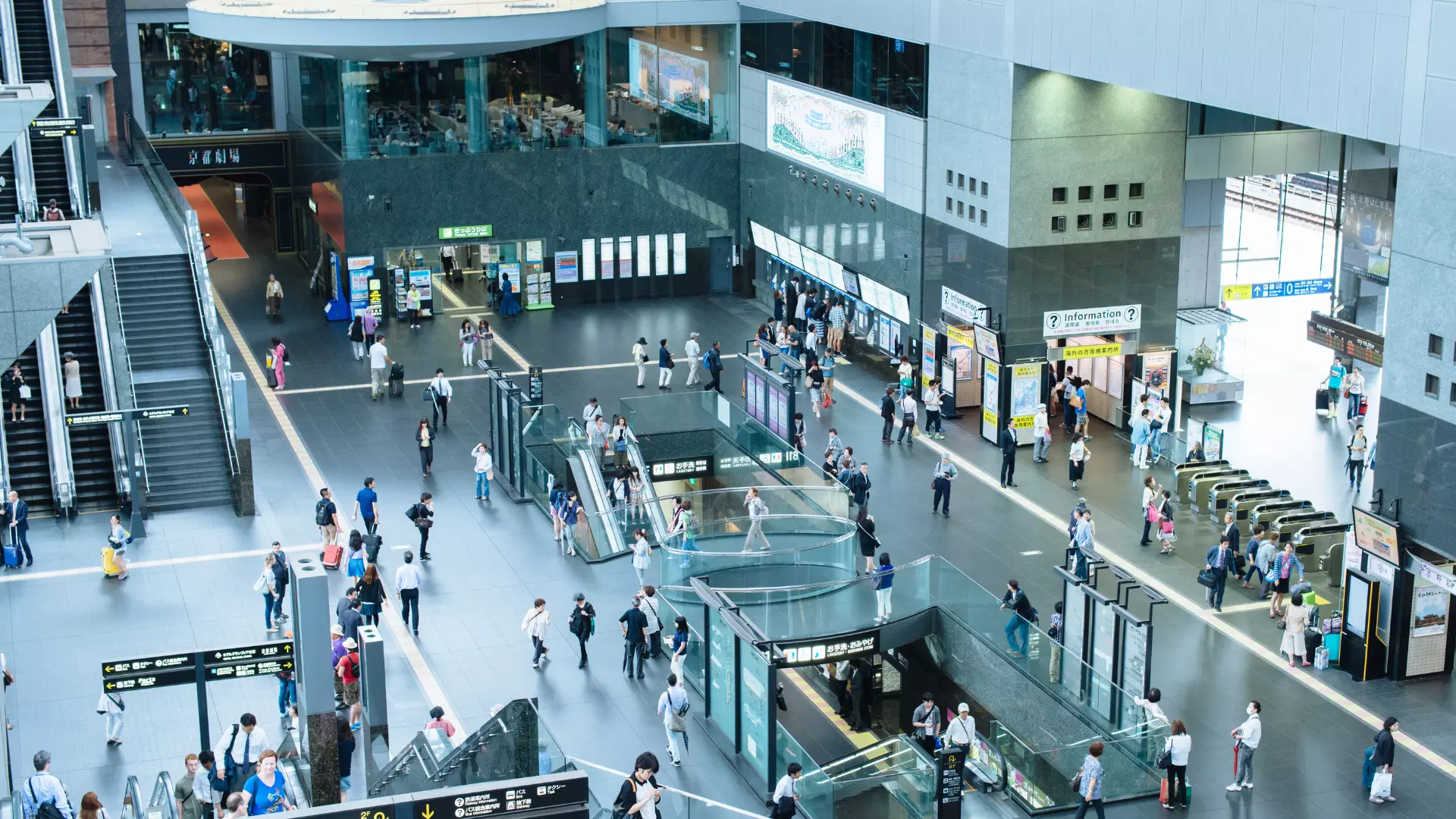
Crime rates and public safety trends
The rate of encountering criminal offenses in Kyoto Prefecture is "1 in 237 people," ranking 20th nationwide. However, the rate tends to be slightly higher in areas around Kyoto Station, such as Minami Ward and Shimogyo Ward. A certain number of violent crimes and thefts are reported on the south side of the station, with approximately 10% of all violent crimes in Kyoto occurring in this area.
However, the area in front of the station is seeing increased security patrols and the installation of surveillance cameras, so while it's not completely safe, it does have a certain deterrent effect.
Impacts and challenges of redevelopment
On the south side of Kyoto Station, a redevelopment plan (commonly known as the "Kyoto Project") is underway for the Kyoto Central Post Office and the station building's West No. 2 parking lot, with completion scheduled for fiscal year 2029. This will strengthen commercial, office, and hotel functions, and is expected to improve convenience for residents and have a positive economic impact.
On the other hand, harmonizing the redevelopment with areas where existing dilapidated buildings and ruins remain is a challenge, and local residents have raised concerns about the potential for landscape destruction and whether the benefits of the redevelopment will reach all residents.
Voices from local residents and on the internet
Local residents and people online say that the area south of Kyoto Station still retains a "dreary, old-fashioned atmosphere." On Yahoo! Answers, there are comments such as "I frown just hearing the name of the place" and "It's best to avoid it at night," indicating that there is a strong sense of caution regarding safety.
On the other hand, some appreciate the convenience brought about by the development of commercial facilities such as Avanti and Aeon Mall, and there are expectations that "the area has become more attractive due to the redevelopment."
Search for a room
Only furnished properties with appliances are listed!
Tips for choosing an area in Kyoto that you won't regret
When choosing a place to live in Kyoto, it's crucial to avoid making the simplistic judgment that "it's a good place to live because it's a tourist destination." You need to consider multiple factors comprehensively, such as safety, infrastructure, transportation access, and the atmosphere of the area; otherwise, you may regret your decision later. Especially since needs differ depending on life stage—whether you're living alone, raising children, or retiring—it's important to choose an area that suits your lifestyle.
This chapter will provide a detailed explanation of key points for choosing an area in Kyoto that will help you avoid making mistakes.
Points to check before moving in
Before choosing a place to live in Kyoto, there are three things you should check first: safety, accessibility, and convenience of living.
- Check the safety of an area using police crime maps and other resources.
- In terms of accessibility, be sure to check the distance to the nearest station, the frequency of trains, and whether connections to major lines are smooth.
- In terms of convenience, whether essential facilities for daily life, such as supermarkets, hospitals, government offices, and daycare centers, are within walking distance is also an important factor to consider.
The atmosphere of the surrounding environment and the characteristics of the residents are directly related to the actual living experience, so research is essential.
Points to consider during property viewing and preliminary investigation.
When viewing a property, be sure to check not only the room itself but also the surrounding environment. The atmosphere can differ significantly between daytime and nighttime, so it's best to view the property at different times of the day if possible.
Furthermore, it's important to consider safety aspects such as whether there are streetlights along the route from the station to the property, and the volume of traffic and pedestrians. In addition, check for noise levels and the impact of nearby buildings (schools, restaurants, commercial areas, etc.) on daily life. There are many things you only notice after visiting the site, so prior preparation will prevent mistakes.
How to choose from the perspectives of single people, those raising children, and seniors.
The ideal residential area varies depending on one's lifestyle. For single people, areas close to train stations and with plenty of convenience stores and restaurants are ideal. For families with children, areas with abundant parks and childcare facilities, as well as good public safety and a focus on education (e.g., Kita Ward and Sakyo Ward), are popular.
On the other hand, seniors and those considering their second life tend to choose quiet residential areas with few hills (e.g., Nagaokakyo City or Nishikyo Ward). Choosing a home based on your own and your family's age and purpose is the first step to choosing a home you won't regret.
FAQ
We've compiled a Q&A section addressing frequently asked questions about choosing a place to live in Kyoto.
Based on real-life experiences, this guide provides easy-to-understand information to help you choose an area you won't regret, addressing questions such as "Which areas are Affordable?", "Which areas are unsuitable for raising children?", and "Which places have cheap rent but should be avoided?". Kyoto, in particular, is an attractive tourist city, but from a resident's perspective, there are many points to be aware of.
This section aims to provide information to help readers make informed decisions about living safely in Kyoto and to address their anxieties and questions.
Q. Which areas in Kyoto have particularly high crime rates?
Areas in Kyoto known for their high crime rates include Minami Ward (especially the Higashi-Kujo and Sujin districts) and Fushimi Ward (around Mukaijima). These areas have a relatively high number of reports of violent crime and noise disturbances, and local residents are advised to be cautious.
Additionally, suspicious individuals may be reported in areas with few streetlights at night or in neighborhoods where young people tend to gather. If you are considering moving, we recommend checking the Kyoto Prefectural Police crime map and local reviews beforehand.
Q. Which areas are unsuitable for raising children?
Areas considered unsuitable for raising children often include those with concerns about safety and educational environments.
Specifically, areas such as parts of Fushimi Ward and Minami Ward in Kyoto City, where there are concerns about noise, traffic volume, and neighborhood disputes, require careful consideration.
Furthermore, areas where nurseries and elementary schools are far away, or where there are few child-friendly facilities such as parks, are also unsuitable for raising children. Compared to areas like Nakagyo Ward, Nagaokakyo City, and Sakyo Ward, which have excellent childcare support, it's best to avoid areas with many challenges in terms of education and safety.
Q. What are some places with Affordable rent that I should avoid?
Areas where you might regret choosing a place to live based solely on low rent include Mukojima (Fushimi Ward) and Sujin/Higashi-Kujo (Minami Ward). While rents are indeed lower in these areas, many people express concerns about safety and living environment, particularly regarding nighttime safety and the disregard for garbage disposal rules.
It's important to make a comprehensive decision, taking into account factors such as convenience and the availability of surrounding facilities. You shouldn't focus solely on "cheapness," but rather choose a place that prioritizes livability.
Q. What are the advantages and disadvantages of living near a tourist area?
The advantages of living near a tourist destination include easy access, abundant nearby facilities, and plenty of places to stroll around on weekends.
On the other hand, the downsides include the disruption to daily life caused by overcrowding, noise, traffic congestion, and increased litter from tourists. In particular, stress levels among residents tend to rise during peak tourist seasons in areas such as Gion, around Kiyomizu-dera Temple, and near Kyoto Station.
You need to decide whether to prioritize convenience or tranquility, based on your lifestyle.
Q. What are some recommended areas with good safety?
Areas in Kyoto considered to have good public safety include Sakyo Ward (Shimogamo and Kitashirakawa), Kita Ward (Kitayama and Murasakino), and along Oike Street in Nakagyo Ward.
These areas are well-developed as residential neighborhoods, have low crime rates, and are considered to have relatively strong community ties. Furthermore, the availability of childcare support and educational facilities is also an attractive feature.
For those seeking a quiet and peaceful environment, suburban areas outside of Kyoto City, such as Nagaokakyo City and Joyo City, are also recommended.
Search for a room
Only furnished properties with appliances are listed!
summary
Kyoto boasts numerous attractive tourist destinations and cultural attractions, but when choosing a place to live, careful area selection is essential. In particular, there are significant regional differences in safety, transportation access, and the development of essential infrastructure. Choosing a location solely based on factors like Affordable rent or its popularity may lead to regret.
This article provided a detailed overview of the "least desirable neighborhoods to live in" ranking, points to consider, and the characteristics of each area. We hope this information will be helpful in your future search for a place to live, allowing you to choose a neighborhood that suits your lifestyle and values, and to ensure a safe and comfortable life.