Public Safety Trends in Osaka as a Whole | Understanding Crime Trends and Regional Differences
Osaka Prefecture is a core city in the Kansai region and a popular tourist destination, but it's important to check safety information beforehand. Because the population is concentrated around Osaka City, areas with heavy pedestrian and vehicle traffic tend to have relatively higher crime rates. However, not all of Osaka Prefecture is unsafe; there are clear differences between safe and unsafe areas. It's crucial to thoroughly understand the information for each station and surrounding area to choose a neighborhood where you feel safe.
This article provides a comprehensive overview of crime rates, regional characteristics, and important points to consider when living in Osaka Prefecture, offering helpful information for those considering moving or searching for rental properties.
What are the crime trends and regional differences in Osaka Prefecture?
Osaka Prefecture is known as one of the areas with a relatively high crime rate in Japan, and according to statistics from the National Police Agency, the number of incidents tends to be particularly high within Osaka City. Among these, Nishinari Ward, Chuo Ward, and Naniwa Ward in Osaka City have high crime rates and are often discussed as areas with poor public safety. However, there are differences depending on the area, and Joto Ward and Abeno Ward, for example, have low crime rates and are considered to be safe neighborhoods.
When deciding where to live, it's essential to consider a multifaceted approach, including not only crime statistics but also the atmosphere of the neighborhood, the area around the train station, and the number of people around at night. To live safely, it's crucial to compare factual data with firsthand information gathered on-site.
What are the unique security risks of large cities?
In large cities like Osaka, while there are many convenient areas with well-developed transportation infrastructure, there are also security risks inherent to densely populated cities. In particular, areas around train stations where entertainment districts, tourist attractions, and restaurants are concentrated tend to see a high incidence of trouble and petty crime late at night. Furthermore, the increase in foreign tourists and new residents can lead to problems due to differences in culture and lifestyles. Against this backdrop, even in areas that appear well-maintained on the surface, many people who actually live there find it noisy at night or feel unsafe.
For those living alone, women, or families with children, careful consideration is required, including factors such as distance from the station, lighting conditions at night, and the presence of security cameras. When searching for rental properties in Osaka City, be sure to thoroughly compare information on the safety of different neighborhoods to determine if they are good areas.
Reasons for the large differences between districts
Osaka City is composed of 24 administrative districts, and a distinctive feature is that the public safety situation varies greatly from district to district.
For example, Nishinari Ward and Naniwa Ward have historically been areas where many laborers gathered, and even today, there is a lot of information suggesting that they have poor public safety due to the concentration of day laborers and cheap lodging houses. On the other hand, Tennoji Ward, Joto Ward, and Abeno Ward have been developed as educational and residential areas, and are considered good neighborhoods with relatively low crime rates.
These differences are deeply rooted in local history, demographics, and the degree of urban development. Furthermore, even within the same ward, there are often differences in safety between areas around train stations and residential neighborhoods. Therefore, when choosing a place to live in Osaka City, it is necessary to make a comprehensive decision by checking detailed local information within that area, including the atmosphere during the day and night and the condition of surrounding facilities, rather than simply judging by the "ward name."
Top 5 areas in Osaka known for their high crime rates
Areas within Osaka Prefecture that are considered particularly unsafe are concentrated in certain parts of Osaka City. These areas are frequently mentioned in discussions for their high crime rates, unpleasant atmosphere at night, and general perception that they are "unpleasant places to live." For anyone considering moving or renting a property, information about the safety and security of a particular area is an essential factor.
Below, we will focus on five areas: Nishinari Ward, Chuo Ward, Naniwa Ward, Ikuno Ward, and Yodogawa Ward, and provide a detailed explanation of the characteristics of each neighborhood and the reasons for their high crime rates. Please use this local information to help you choose a safe and livable neighborhood for yourself.
Nishinari Ward (Airin district, Tobita Shinchi)
The Airin district and Tobita Shinchi in Nishinari Ward, Osaka City, are often considered to have poor public safety nationwide. The Airin district has a history of developing as a gathering place for day laborers, and even today, cheap lodging houses and a large number of homeless people are noticeable. Tobita Shinchi, on the other hand, is known as a unique entertainment district, and its nighttime atmosphere is distinctive, which some tourists and young people may find somewhat intimidating. Nevertheless, crime prevention activities by local residents are active, and improvements in public safety have been seen in recent years.
However, this area may not be suitable for people living in Osaka for the first time or for women living alone. It is important to carefully consider the atmosphere around the station and the opinions of people who have lived there before making a decision.
Chuo Ward (Namba/ Nihonbashi area)
The Nanba and Nihonbashi areas in Osaka's Chuo Ward are popular as bustling districts offering sightseeing, shopping, and entertainment, but they also require caution regarding safety. The area around the stations is home to many late-night restaurants, adult entertainment establishments, and pachinko parlors, making it prone to problems with intoxicated people and noise at night. The area around Nihonbashi's Ota Road is a hub for subculture, attracting many people from both Japan and abroad, and its liveliness can sometimes affect daily life depending on the time of day.
While the area is bright and lively during the day, the atmosphere changes at night, so careful consideration is needed before deciding to live there. Rent tends to be somewhat high due to its convenient location, so it's important to thoroughly check the surrounding environment when choosing a property.
Naniwa Ward (Shin Imamiya-Imamiya, Ebisucho)
Shin Imamiya and Ebisucho in Naniwa Ward, Osaka City, are areas with excellent transportation access, but many people feel uneasy about their safety. In particular, the area around Shin Imamiya Station is adjacent to the Airin district in Nishinari Ward, so the safety image of the surrounding area is often discussed in conjunction with that of the area, and many people are wary of it. It is also an area with many budget accommodations, and a high concentration of cheap hotels catering to foreign backpackers.
While the area is bustling with tourists and locals during the day, foot traffic can suddenly decrease at night, making it a potentially unsafe area for women and those living alone. Even if the low rent is appealing, it's crucial to carefully check the atmosphere around the station and the level of safety.
Ikuno Ward (Tsuruhashi, Imasato, Kitatatsumi)
The Tsuruhashi, Imasato, and Kitatatsumi areas in Ikuno Ward, Osaka City, each possess unique characteristics, requiring careful consideration regarding living environment and safety. Tsuruhashi is known as one of Osaka's leading Koreatowns, a bustling area lined with multinational restaurants and shops, but some environmental problems such as illegal parking and littering have been pointed out. In addition, while the area has a high proportion of foreign residents and is rich in cultural diversity, some people are seen to be confused by the differences in customs. In Imasato and Kitatatsumi, although there are few large commercial districts, the area has many older houses, and the number of vacant houses is increasing, raising concerns about security.
When choosing a place to live in these areas, it's important to thoroughly check the atmosphere of the town during the day and night, the convenience of transportation, and the demeanor of the surrounding residents in person.
Yodogawa Ward (13)
The Juso area in Yodogawa Ward, Osaka City, is known as a mixed area of entertainment districts and residential areas, and opinions on its safety are divided. Juso Station is a major station on the Hankyu Line, making it convenient for commuting to work or school. However, the area west of the station is lined with bars and adult entertainment establishments, and there are concerns about safety at night. The main streets are bright and busy, but the side streets are deserted, so careful consideration is needed for those living alone for the first time. There are also complaints about noise and garbage, so it may not be suitable for people who prioritize a good living environment.
While many properties offer relatively low rents and are attractive in terms of cost-effectiveness, it's crucial to carefully observe the difference in atmosphere between daytime and nighttime before deciding to live there.
Search for a room
Only furnished properties with appliances are listed!
What are some common characteristics of places with high crime rates?
Areas in Osaka City considered to have a high crime rate share several common characteristics. When considering moving or renting a property, it's important to consider not only crime rate rankings and rumors, but also the specific conditions of the neighborhood and the degree of environmental deterioration. For example, areas with a high volume of people coming and going, such as bustling commercial districts near train stations and tourist spots, and where many late-night businesses are concentrated, tend to have a higher risk of trouble and petty crime. Areas with excessive street parking and scattered garbage, where the streetscape is disordered, are also often perceived as having a high crime rate.
This chapter provides a detailed explanation of the common characteristics of unsafe neighborhoods, based on area information from Osaka City and other urban areas, that you should know before moving there.
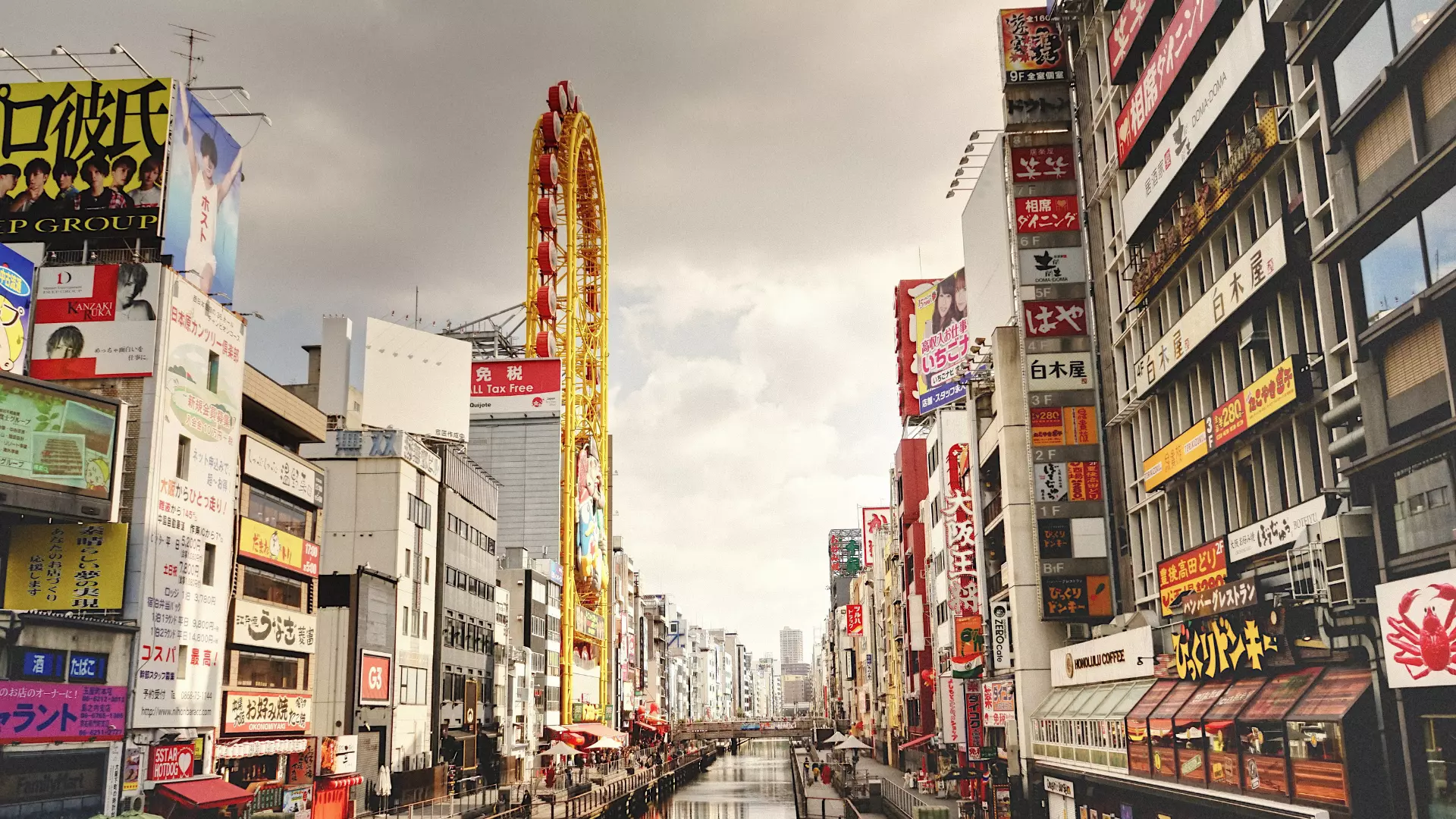
Crime risks are common in tourist areas, shopping districts, and around train stations.
Tourist areas, shopping districts, and areas around train stations are convenient places with many people coming and going, but they also tend to have higher crime rates. In particular, popular spots in Osaka City such as Namba, Dotonbori, and Umeda attract tourists from both Japan and abroad, and there is a constant flow of people coming and going late into the night. In such crowded areas, there tends to be a higher incidence of petty crimes such as pickpocketing, trouble with drunk people, and street vendors, which can be a source of anxiety for people who want to live in safety. Also, while areas around train stations are convenient, they are also characterized by a concentration of commercial facilities and restaurants, and the atmosphere changes drastically between day and night.
In addition to the rental property's conditions, checking the surrounding area's safety and how it behaves at night will help you choose a safer neighborhood.
The abundance of late-night establishments and entertainment districts
Entertainment districts, where many late-night restaurants, bars, and adult entertainment establishments are concentrated, tend to be areas where troubles are more likely to occur at night, and many people perceive them as unsafe. For example, the area around Juso Station in Osaka City, Tobita Shinchi, and the Namba area are densely packed with snack bars and lounges, and late at night, people often feel uneasy due to drunk customers, noise, and touts. While these areas may seem relatively calm during the day, they often change drastically at night, and careful consideration is necessary, especially for women living alone and families with children.
When choosing a property, it's important to consider not only the building's specifications and rent, but also the surrounding environment, how it is at night, and the safety of the route home from the station. Make sure to choose a neighborhood you won't regret moving into by checking information websites, reviews, and visiting the area in person.
Environmental deterioration such as illegal parking and littering.
The appearance and cleanliness of a town often reflect the safety and security of that area. Even within Osaka City, areas with many parked cars and abandoned vehicles, or places where littering is rampant, tend to be perceived as having poor safety. Such environmental deterioration can indicate a decline in residents' manners and the functioning of local communities, and if left unattended, it increases the risk of becoming a breeding ground for crime. For example, in some parts of Ikuno Ward and the back streets of Naniwa Ward, scattered garbage and dilapidated vacant houses are problematic, and many people feel uneasy about living in such areas.
When searching for a property, it's important to carefully check not only the interior of the building, but also the condition of the surrounding roads, parks, and bicycle parking areas. Also, check what local residents say and whether there are any community crime prevention activities to choose a safer living environment.
Top 5 areas in Osaka known for their safety and security
Osaka City and its surrounding areas have many neighborhoods and train stations known for their safety. These areas not only have low crime rates, but also generally offer a calm living environment and a pleasant atmosphere, making them ideal for those living alone for the first time, women, and families with children. Tennoji Ward, Abeno Ward, and Joto Ward, in particular, with their extensive educational and residential areas, are highly regarded as "safe and livable neighborhoods" within Osaka City. Areas outside of Osaka City, such as Suita City and Toyonaka City, are also gaining popularity for their safety while maintaining convenient commuting options.
Here, we introduce five carefully selected areas in Osaka Prefecture that are particularly known for their safety and security. Please use this information as a reference when choosing a property or considering moving.
Tennoji Ward (Tamatsukuri , Shitennoji Mae Yuhigaoka)
Tennoji Ward in Osaka City is a calm neighborhood with a cultural atmosphere, boasting many educational institutions and historical buildings. The areas around Tamatsukuri Station and Shitennoji Mae Yuhigaoka Station, in particular, have relatively low crime rates and are highly regarded as safe places to live for families with children and single people alike. The ward has many residential areas, and many areas remain quiet even at night, leading to many residents expressing reassurance about returning home late at night. Furthermore, there is a high level of community safety awareness, and crime prevention patrols are active.
While the average rent for rental properties is somewhat high, you can expect a living environment and safety that justifies the cost. With good access to the station and the Osaka Loop Line Line and Chikatetsu, it's a convenient area for commuting to work or school.
Joto Ward (Fukaebashi, Kyobashi)
Joto Ward in Osaka City is located in the eastern part of the city and is a safe area with a good balance of residential areas and commercial facilities. In particular, the areas around Fukaebashi Station and Kyobashi Station are undergoing redevelopment and the townscape is improving. The police station patrols frequently, and nighttime patrols and community crime prevention activities are actively carried out, making it an area with a high level of trust in safety. With large supermarkets, hospitals, parks, and other essential infrastructure near the stations, it is also a popular area for families.
Furthermore, Kyobashi Station is one of Osaka's major terminal stations, served by JR, Keihan, and Chikatetsu, offering excellent access to anywhere. With its combination of safety, convenience, and livability, this area is highly recommended for those starting their first life in Osaka.
Abeno Ward (Showacho, Fuminosato)
Abeno Ward is a popular neighborhood in Osaka City, known for its excellent living environment and tranquil atmosphere. The area around Showacho Station and Fuminosato Station, in particular, is a popular choice for many due to its combination of safety and ease of living. This area features traditional residential neighborhoods, with a focus on homes rather than commercial facilities, resulting in a quiet and peaceful lifestyle. With numerous educational facilities, medical institutions, and parks nearby, it's considered a safe and secure area for families and the elderly.
Furthermore, it's a neighborhood with a strong sense of community, many eyes watching out for children and the elderly, and a high level of crime prevention awareness. It also boasts good access from the station, with the Midosuji Line and Tanimachi Line available, making it a convenient location for commuting.
Suita City and Toyonaka City (outside Osaka City, with good public safety)
If you're looking for a safe area outside of Osaka City, Suita City and Toyonaka City are the first names that come to mind. Both are adjacent to Osaka City, have good transportation access, and are characterized by many quiet residential areas and a very pleasant overall atmosphere. Suita City is known as a livable city where nature and urban functions are blended together, with areas such as Senri New Town and Expo Commemoration Park, and is particularly popular with families. Toyonaka City is similarly supported by families for the academic standards of its public schools and the local community's attitude towards education.
Furthermore, both areas have lower crime rates compared to central Osaka, and are highly regarded as safe places to live. Their convenient location, just 20-30 minutes by train from central Osaka, makes them ideal for those seeking a quiet and safe neighborhood.
Fukushima Ward (around Fukushima Station)
Fukushima Ward in Osaka City is attracting attention as a safe and peaceful neighborhood despite its proximity to the Umeda area. The area around Fukushima Station, in particular, is popular with a wide range of people, from singles to families, because it has excellent transportation access while maintaining a friendly atmosphere. It is characterized by a good balance of residential areas and restaurant districts, and is well-lit and busy at night, giving it a sense of security. Furthermore, the area is known for its active beautification activities and neighborhood watch programs by local residents, and the strong sense of community among residents is considered to have a high crime prevention effect.
While rental properties tend to have slightly higher rents, this area is highly recommended for those looking for a safe and comfortable place to live long-term.
Fukushima Ward is an ideal area for those who want to balance "good accessibility" and "good safety."
Search for a room
Only furnished properties with appliances are listed!
What you can do to check on public safety
When deciding where to live, information about safety and security—specifically, "Is this a safe place to live?"—is extremely important. This is especially true in cities like Osaka, where safety varies greatly from area to area and even from station to station. Thoroughly checking this information beforehand will help you avoid regrets when choosing a place to live. Crime rates and the atmosphere of a neighborhood are difficult to discern from maps alone, so it's effective to check from multiple perspectives, such as reliable crime prevention information tools and the opinions of residents.
This chapter will introduce useful tools and methods for actually judging the safety and security of an area, from three different perspectives. Those looking for rental properties in Osaka or considering moving should definitely refer to this information.
Utilizing the "Anmachi App" and the Osaka Prefectural Police's crime prevention map.
One useful tool for checking public safety in Osaka is the "Anmachi App." Provided by the Osaka Prefectural Police, this app is an excellent crime prevention tool that provides real-time crime information for each area. By selecting an area on the map, you can see at a glance information on theft, violent crimes, suspicious persons, etc., and you can also check the safety situation around specific train stations and on your commute route in advance.
Using official tools like these, you can visualize the safety and security of a neighborhood or rental area you're interested in using numerical data, allowing for a more objective decision. Before moving, be sure to check this kind of accurate information.
Key points to check when viewing a property.
When actually viewing a rental property, be sure to check not only the building and room amenities, but also the safety and security of the surrounding neighborhood. While viewings are often conducted during the daytime when it is bright, it is ideal to also check the atmosphere in the evening and at night. The presence of litter, excessive street parking, and graffiti on the building's exterior or common areas are signs of the community's awareness of crime prevention. The atmosphere around nearby train stations and commercial facilities, as well as the clientele of convenience stores and restaurants, can also be used to assess the safety of the area. For women living alone or families with small children, the presence of automatic locks and security cameras are particularly important points to check.
It's important to carefully check the surrounding environment, which is often overlooked, and to get a feel for whether it's a safe place to live.
Check out local reviews and comments from residents.
To determine the safety and security of an area, it's effective to refer to the real experiences of people who actually live there. The internet is full of review sites and message boards that compile reviews of livability and the presence of problems in different areas of Osaka. For example, comments like, "The area around the station in XX ward is clean, but the back streets are scary," "It becomes deserted at night," and "It's a safe environment for raising children" are valuable sources of real-life experiences. Furthermore, personal anecdotes and warnings about safety are often shared on social media, local blogs, and moving comparison websites.
Of course, you don't need to take every opinion at face value, but it's wise to be cautious if many people are mentioning similar points. Listening to residents' opinions is crucial for understanding the realities of the area, which aren't always apparent from property listings alone.
Summary | Use Osaka's safety information to choose a neighborhood where you can live with peace of mind.
While Osaka offers great convenience, there are significant differences in safety and security from area to area. Some areas, such as Nishinari Ward and Naniwa Ward, are considered unsafe, but there are also many livable neighborhoods with low crime rates, such as Tennoji Ward, Fukushima Ward, and Suita City. The important thing is to check the safety and security information of the neighborhood from multiple perspectives, not just rent and location. Referring to crime prevention apps, the local atmosphere, and reviews from residents will help you live a safer and more comfortable life.
When choosing a property, be sure to consider the safety and security of the neighborhood to ensure a move you won't regret.