
What are the "least desirable places to live" in Chiba Prefecture? Overview of the ranking and selection criteria.
Chiba Prefecture's "Ranking of Cities People Don't Want to Live In" is a ranking of areas considered undesirable to live in, based on reviews and ratings from residents and users, as well as various data related to the living environment. Even if an area is attractive in terms of rent and convenience, there can be significant differences in actual livability due to factors such as safety, noise levels, transportation access, and infrastructure development.
This article provides a comprehensive evaluation of properties in Chiba Prefecture, taking into account factors such as the convenience of commuting to work or school, the demographics of the residents, the availability of amenities, and suitability for long-term stays. It aims to provide helpful information to help those searching for rental properties or accommodations in Chiba Prefecture avoid making mistakes.
Why are rankings of cities people don't want to live in attracting attention?
One reason it's attracting attention is that it reflects the "real voices of residents" that you wouldn't know unless you actually lived there. On the internet, people share not only superficial impressions and images of the town, but also factors that directly lead to daily stress, such as poor public safety, noise around the station, garbage problems, and inconvenient transportation.
This information is crucial when considering moving or changing residences. Especially for families with children or those starting to live alone, understanding "where to avoid" is essential for a safe and comfortable life.
Main indicators used for selection (safety, convenience, living environment, etc.)
When selecting the least desirable places to live in Chiba Prefecture, we comprehensively consider multiple objective indicators.
What is particularly important is
- "Poor public safety"
- "Congestion level of stations and facilities"
- "Inconvenient transportation"
- "Poor living environment (noise, garbage, lack of parks, etc.)."
Furthermore, the convenience of public transportation and the ease of access to shopping facilities and medical institutions are also important criteria. In many cases, underdeveloped infrastructure and high disaster risk are negative factors. In addition to this data, we have also compiled resident reviews and reputations on social media, and evaluated the area based on real-life experiences of people who regretted moving there, resulting in a more reliable ranking.
Why is it undesirable to live there = unsuitable for permanent residence?
Many of the reasons why a city is considered an "undesirable place to live" are that while it might be tolerable for a short stay, it's an environment that easily causes stress for long-term residence.
For example, areas with high crime rates are unsuitable for permanent residence due to concerns about raising children and going out at night. Similarly, locations with inconvenient transportation access or a lack of medical and educational facilities can become increasingly inconvenient as one ages and family structure changes. Furthermore, factors such as ground stability, disaster risk, and the insularity of local communities are also reasons to avoid permanent residence.
In Chiba Prefecture, areas that are considered undesirable to live in often have a combination of these negative factors, so it's important to check them beforehand to avoid future regrets.
Top 10 Cities in Chiba Prefecture Where People Don't Want to Live
In Chiba Prefecture, the towns that people consider undesirable to live in have various negative factors, such as inconvenient transportation, poor public safety, and low convenience of living.
Here, we present a ranking of areas considered difficult to live in, based on actual resident feedback, online reviews, and various data. For those considering moving or looking for a place to live in Chiba Prefecture, knowing which areas to avoid beforehand is extremely important.
For each city in the ranking, we will provide a detailed explanation of why it is considered difficult to live in and what kind of opinions are commonly expressed.
Properties in Chiba Prefecture are listed here.
1st place: Around Chiba Station
While the area around Chiba Station boasts excellent transportation access, it's also frequently cited as a place people don't want to live. The main reasons are the congestion around the station, poor safety, and the abundance of late-night restaurants, making it difficult to live a peaceful life. Many single women and families, in particular, express concern about walking alone at night.
Furthermore, while redevelopment is progressing, some areas still have a noticeable number of old buildings and vacant shops, giving the impression that the entire town lacks a sense of unity.
Properties in Chiba Prefecture are listed here.
2nd place: Around Nishi Funabashi Station
Nishi Funabashi Station is a major transportation hub with multiple train lines converging there, yet it's often considered an "unpleasant place to live." Reasons for this include the chaotic nature of the surrounding commercial district, concerns about safety, and the constant congestion caused by the large number of station users.
Furthermore, the crowds and noise during rush hour can be stressful, making it an area that people seeking a peaceful life would want to avoid.
Properties in Chiba Prefecture are listed here.
3rd place: Around Kashiwa Station
The area around Kashiwa Station is convenient with many shopping facilities, but many people say that the living environment is "crowded and not very peaceful." In particular, the area around the east exit of the station has many adult entertainment establishments and bars, and many people feel uneasy about the safety of the area.
Because there is a constant flow of people even late at night, this area is not ideal for those who want to live in peace and quiet. Additionally, some residents have reported issues with noise and litter.
Properties in Chiba Prefecture are listed here.
4th place: Around Matsudo Station
Matsudo Station is popular due to its convenient access to central Tokyo, but it is also often cited as a place people don't want to live because of complaints about its poor safety record and rough clientele.
While the area around the station is undergoing redevelopment, the old bar district remains, leading to concerns about the atmosphere at night. For women living alone or families with children, it's difficult to say that it's a safe environment to live in.
Properties in Chiba Prefecture are listed here.
5th Place: Around Shin-Urayasu Station
Shin-Urayasu Station is lined with luxury condominiums and at first glance appears to be a desirable area to live in, but concerns have been raised about its "weak ground," "liquefaction risk," and "artificial and impersonal cityscape."
The Great East Japan Earthquake brought widespread attention to liquefaction damage, and many people in the area continue to feel anxious about living there. Although essential infrastructure is in place, the area tends to be avoided due to its disaster risk.
Properties around Shin-Urayasu Station can be found here.
6th place: Around Ichikawa Station
The area around Ichikawa Station boasts excellent transportation access and is convenient for commuting to the city center. However, some residents have expressed concerns about the area's appearance, noting that "there are many old residential areas, resulting in a cluttered streetscape" and "safety at night."
Furthermore, the relatively high cost of living and the congestion around the station contribute to its perceived undesirability as a place to live. It is sometimes considered somewhat unsuitable, especially for those who desire a quiet environment.
Properties in Chiba Prefecture are listed here.
7th place: Around Goi Station
Goi Station is a station where the Uchibo Line and Kominato Railway intersect, but the surrounding area is close to an industrial zone, which presents challenges in terms of convenience and living environment. There are few commercial facilities and few people around at night, so it is considered a place where people often feel uneasy about security.
Furthermore, the infrequent train service and inconvenient access to central Tokyo are also reasons why people say they "don't want to live there."
Properties in Chiba Prefecture are listed here.
8th Place: Around Kisarazu Station
Kisarazu Station offers access to Tokyo via the Aqua-Line, but the area is generally car-dependent, and it can be inconvenient without a car.
While development is progressing around the train stations, many areas in the suburbs still have noticeable vacant houses and lots, leading to concerns about depopulation. The lack of concentrated shopping and medical facilities also makes it difficult for many to live there.
Properties in Chiba Prefecture are listed here.
9th place: Around Tsudanuma Station
While the area around Tsudanuma Station boasts numerous commercial facilities, the congestion in front of the station and concerns about safety are cited as reasons why it's considered an undesirable place to live. The atmosphere differs between the north and south sides of the station, with the south exit, which is closer to the entertainment district, being particularly problematic due to nighttime noise and street smoking.
Furthermore, the convenient transportation access means that people tend to gather there, which is considered a disadvantage as it can make the living environment less peaceful.
Properties in Chiba Prefecture are listed here.
10th Place: Around Noda City Station
The area around Noda City Station is a region where development around the station has lagged behind, and the lack of vibrancy is noticeable, with many vacant shops. In addition, the long commute to central Tokyo makes it inconvenient for commuting to work or school, and it tends to be avoided by younger generations.
While the community ties are strong, some say that it is difficult for newcomers to fit in, and some experience stress while adjusting to the environment.
Properties in Chiba Prefecture are listed here.
Search for a room
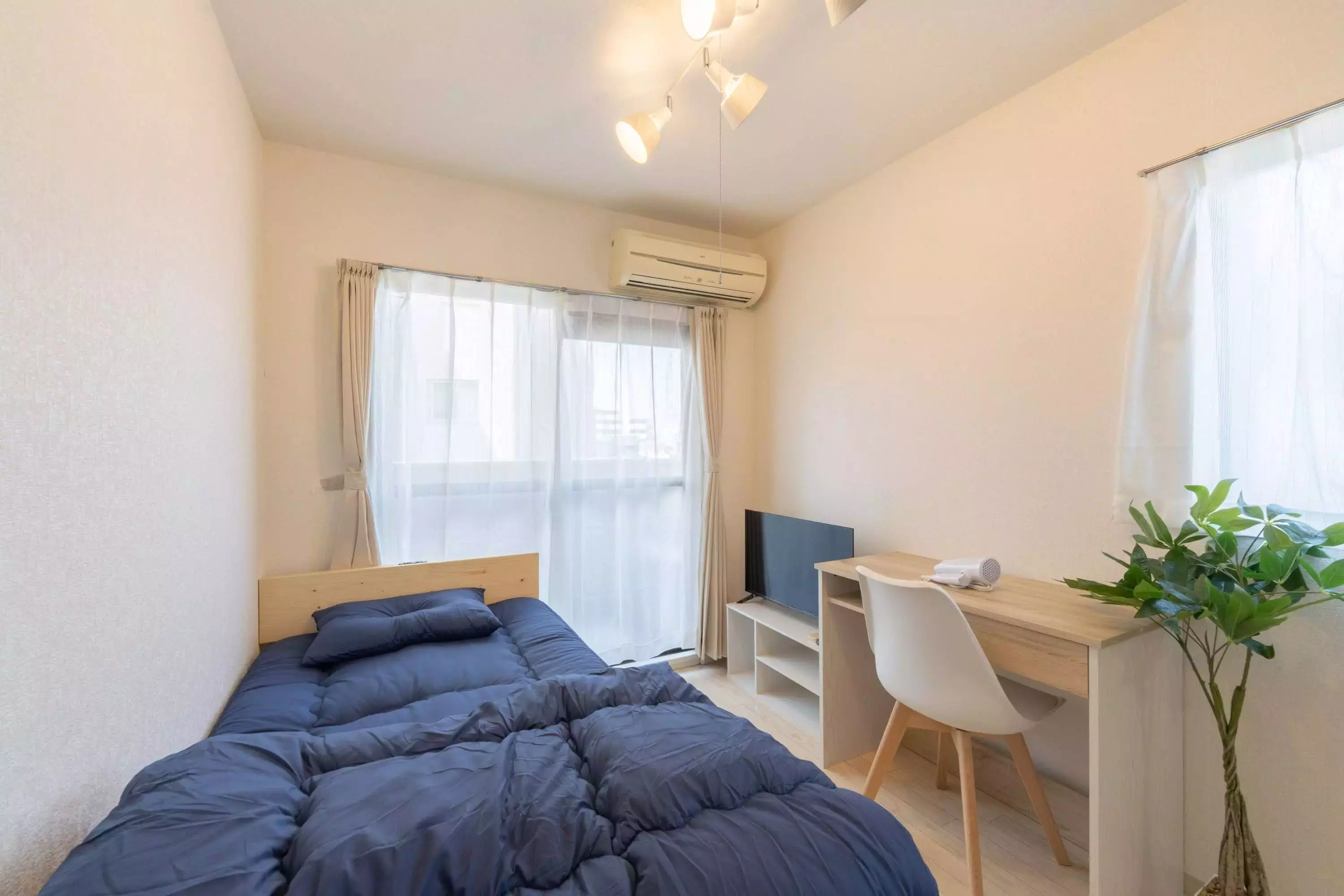
Only furnished properties with appliances are listed!
A deeper look into why people say they "don't want to live" in Chiba Prefecture.
While some towns within Chiba Prefecture are said to be places people don't want to live, this is due to the real voices of the residents and the unique challenges specific to each region.
For example, factors such as safety, noise, garbage problems, and the inconvenience of public transportation are things you can only find out by actually living there. Also, even in areas near train stations that seem convenient, nighttime safety and crowds can become stressful. Furthermore, while redevelopment is progressing, rapid population growth and construction booms can sometimes disrupt the balance of a city.
This chapter will explain in detail the reasons why some people in Chiba Prefecture find it difficult to live there, from the perspectives of word-of-mouth, statistics, and urban development.
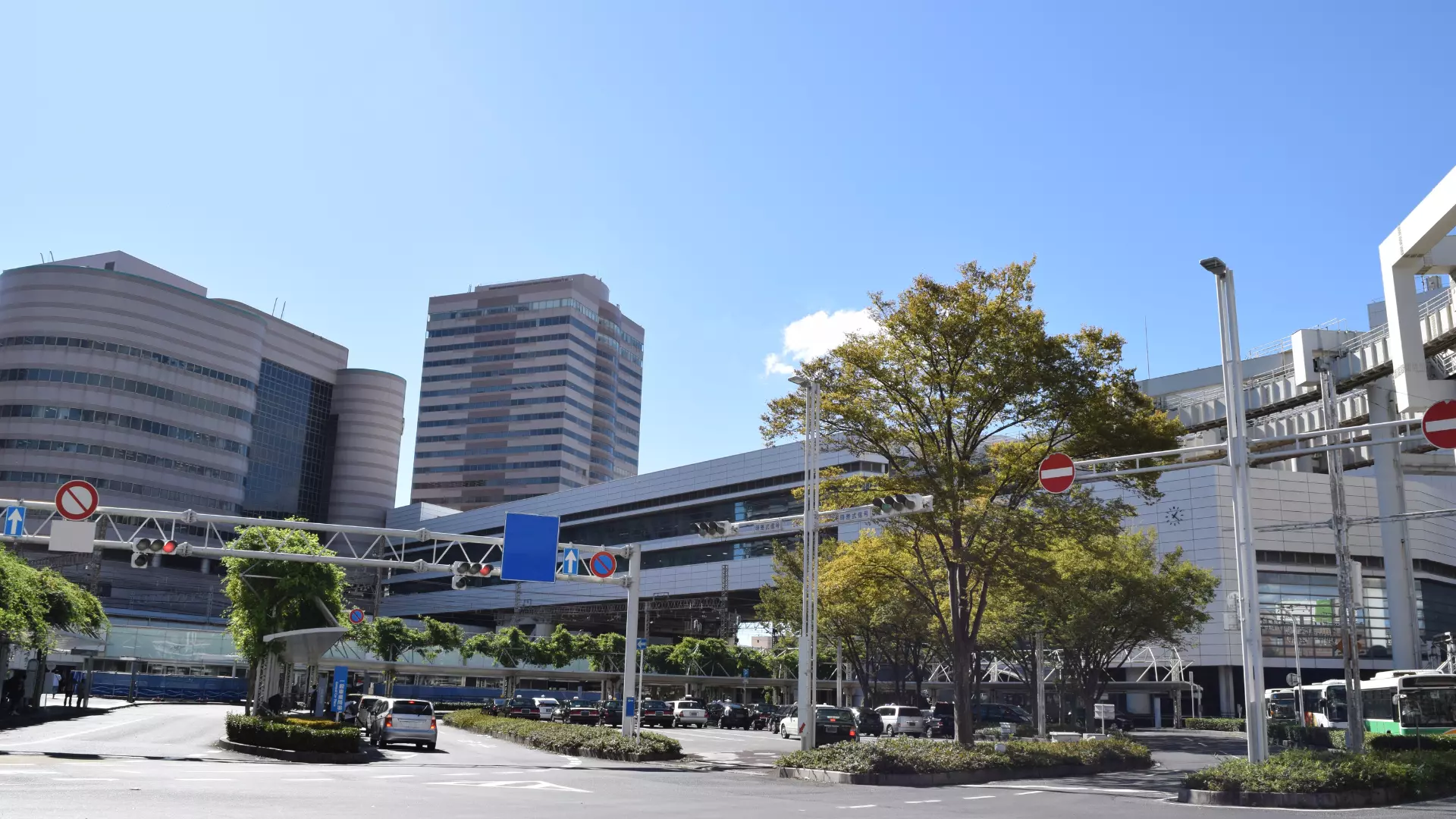
Real-world challenges revealed through residents' voices and word-of-mouth
Much of the information about "cities in Chiba Prefecture that people don't want to live in" comes from word-of-mouth and social media comments from people who actually live in those cities.
The most common complaints are those directly related to daily life, such as "It's dark and scary to walk around at night," "The area around the station is noisy," and "People don't follow the rules for taking out the trash." There are also many complaints about the lack of community services, such as "The living conditions are poor considering the cost of living" and "There is a shortage of educational and medical facilities."
These firsthand accounts convey a "personal sense of livability" that is difficult to see through administrative statistics alone, and serve as important information when considering moving.
Cities where safety is a concern and the actual crime rate
Among the reasons given for not wanting to live there, the most common is poor public safety. In Chiba Prefecture, areas around train stations where late-night businesses are concentrated, and areas with developed entertainment districts, are prone to nighttime troubles, noise, and problems caused by intoxicated customers.
In fact, statistics from the National Police Agency and publicly available data from local governments show that some areas, such as Matsudo City, Kashiwa City, and Chiba City's Chuo Ward, have high rates of criminal offenses, which is a particular source of anxiety for young people and women living alone. Checking crime rates, in addition to the convenience of train stations and the abundance of commercial facilities, is the first step in choosing a safe place to live.
Common characteristics of cities that are conveniently located but difficult to live in
Within Chiba Prefecture, there are towns that, despite having excellent access to central Tokyo, are considered "difficult to live in." Typical examples include areas around train stations that suffer from congestion, noise, and safety issues at night.
For example, while stations like Nishi Funabashi Station and Chiba Station offer convenient transportation, the high volume of people coming and going, along with the concentration of restaurants and pachinko parlors around the stations, often results in a less peaceful living environment. Furthermore, in areas where the boundary between residential and commercial areas is unclear, it is difficult to ensure a quiet living environment, and problems such as noise, litter, and illegal parking tend to be more common.
Judging solely on convenience might lead to unexpected difficulties in living there.
Changes in the living environment due to redevelopment and population shifts
In recent years, the cityscape of Chiba Prefecture has been rapidly changing due to urban development and redevelopment.
For example, while redevelopment is increasing the number of commercial facilities, new challenges such as dense housing, traffic congestion, and a shortage of childcare facilities are also emerging. In addition, as the population increases, the balance of local communities is being disrupted, and there is a growing number of complaints about being treated as an outsider and experiencing frequent conflicts with neighbors.
While these changes may seem positive at first glance, they often have negative consequences for the livability of a place.
Conversely, what are the characteristics of a "livable city"?
While some areas within Chiba Prefecture are considered undesirable places to live, others are highly regarded as livable. So, what are the characteristics of a livable city? Common to all of them is a good balance of safety, low disaster risk, and well-developed infrastructure. Furthermore, convenient commuting and access to school, as well as generous government services such as childcare and elderly care, are also key factors.
Here, we'll introduce three specific criteria for a "livable city" that you should know to avoid making mistakes when choosing a place to live.
Balancing public safety, disaster risk, and convenience of living.
A livable city has all the elements that support a safe and secure life.
For example, in terms of safety, areas with low crime rates where people can go out safely even at night are preferred. In addition, stable ground and low risk of disasters such as flooding and liquefaction are also important.
Furthermore, having essential facilities such as supermarkets, hospitals, schools, and banks within walking distance makes it easier to enjoy a comfortable life. Cities that have a good balance of these three elements tend to be naturally rated as desirable places to live.
A transportation network that makes it easy to live without a car.
Many of the towns in Chiba Prefecture that are considered livable have well-developed public transportation systems such as trains and Bathroom, making it easy to live there even without owning a car.
For example, areas around stations along the JR Sobu Line, Tozai Line, Keisei Line, and Tsukuba Express offer good access to central Tokyo, making them convenient for commuting to work or school. Commercial facilities and medical institutions are concentrated in areas close to stations, making daily shopping and hospital visits smooth. For the elderly, students, and single people who do not own a car, the convenience of such public transportation is a major factor that directly impacts their quality of life.
Tips for choosing a neighborhood for families with children and single people
When choosing a livable city, it's essential to consider factors that match your life stage. For families with children, the number of daycare centers and schools, the educational environment, safety, and the abundance of parks are important. On the other hand, for those living alone, proximity to train stations, 24-hour shops, stability of safety, and a balance with rent prices are key.
Furthermore, local government childcare support programs, disaster prevention measures, and support for elderly people living alone can also be helpful when choosing a neighborhood. Clearly defining your requirements based on your household composition and finding a neighborhood that meets those requirements is the key to choosing a home you won't regret.
Search for a room
Only furnished properties with appliances are listed!
Top 5 Livable Cities in Chiba Prefecture [With Comparisons]
When choosing a livable town in Chiba Prefecture, it's essential to consider a comprehensive perspective that includes not only the convenience of commuting to work or school, but also safety, the availability of amenities, and the environment for raising children.
Here, we'll introduce five carefully selected towns that have received high marks for livability, while also considering the differences from the areas featured in our "Ranking of Towns You Don't Want to Live In in Chiba Prefecture." Compare the characteristics of each area and use this as a reference to choose a town that suits your lifestyle.
① Kashiwanoha Campus Station | The entire town is a smart city
Kashiwanoha Campus Station is attracting attention as one of the most cutting-edge urban development areas in Chiba Prefecture. The entire area is designed as a "smart city," characterized by its compact arrangement of educational institutions, medical facilities, and commercial facilities.
With good public safety and numerous lush parks, this area is popular with families with children and the elderly. Redevelopment has updated the infrastructure, and future property values are expected to increase. While rents are somewhat on the higher side, it's a very well-balanced neighborhood for those seeking a comfortable living environment.
② Tsudanuma Station| Excellent access to the city center and convenient living.
Tsudanuma Station was ranked 9th on a list of places people don't want to live, but as a major station on the JR Sobu Line, it also has the advantage of having excellent access to central Tokyo, even within Chiba Prefecture. It's easy to commute to Tokyo Station and Shinjuku, and the area around the station is home to shopping malls, restaurants, and medical facilities, making it a very convenient place to live.
The atmosphere differs between the north and south sides of the station. The north side is quiet and surrounded by residential areas, making it popular with a wide range of households, from single people to families.
③ Makuhari Hongo Station| Balance between educational and commercial facilities
Makuhari Hongo Station is located on the border of Hanamigawa Ward and Mihama Ward in Chiba City, and is a highly convenient area with access to two train lines: the Keisei Line and the JR Line. The surrounding area has many elementary and junior high schools and parks, making it a popular choice for families with children due to its excellent educational environment.
Furthermore, there are large facilities nearby such as Aeon Mall Makuhari Shintoshin and Makuhari Messe, providing an environment where you can enjoy shopping and leisure. The area is safe and, although not undergoing major redevelopment, it enjoys stable popularity as a quiet residential area.
④ Nagareyama-Ōtakanomori Station | Popular with families with young children
Nagareyama-Ōtakanomori Station is located in an area that is rapidly developing as a junction point for the Tsukuba Express and the Tobu Noda Line. In particular, it is highly regarded by families, partly due to the policies of Nagareyama City, which are focusing on childcare support.
This town boasts large shopping malls, lush parks, and medical facilities, offering a perfect balance of convenience and security. With numerous newly built apartments and houses, and excellent public safety, it's one of the most desirable and attractive places to live in Chiba Prefecture, with high potential for future development.
⑤ Moto Yawata Station| Directly connected to Tokyo & abundant commercial facilities
Moto Yawata Station is a major transportation hub with access to three lines: the JR Sobu Line, the Toei Shinjuku Line, and the Keisei Line, making it extremely convenient for getting to the city center. The area around the station has an abundance of supermarkets, restaurants, hospitals, and public facilities, making it one of the best areas in Chiba Prefecture in terms of well-developed infrastructure.
The residential area is quiet and safe, making it a popular area for single people and seniors. Combining convenience and a sense of security, many people want to live there long-term, and it consistently ranks high in "most livable city" rankings.
To avoid regrets when searching for a place to live in Chiba
When searching for rental properties or a home to buy in Chiba Prefecture, focusing solely on "low rent" or "good transportation access" can lead to unexpected regrets after you move in.
For example, issues like poor public safety, noise pollution, lack of amenities, and disaster risks are easily overlooked if not carefully checked beforehand. Areas in Chiba Prefecture often referred to as "places people don't want to live" have their reasons for being so.
To avoid regrets, it's important to assess the city from multiple perspectives, including on-site visits, surveys of the surrounding environment, and consultations with experts.
The importance of on-site visits and surrounding area surveys
When looking for a place to live in Chiba, it's essential to visit the location in person, not just rely on online information. There's a lot of information you can only get by being there, such as the distance from the station, the lighting on the streets, the atmosphere during the day and night, the noise levels of the neighborhood, and the overall safety of the area.
It's also a good idea to check the availability of convenience stores, supermarkets, medical facilities, and daycare centers on foot. Even if a place looks convenient on a map, there can be surprisingly many factors that can be stressful to live in, such as many hills, narrow streets, or complicated garbage disposal procedures. Visit the area at multiple times of the day to check if it suits your lifestyle.
Let's consider not only the rent but also the "quality of the neighborhood."
Choosing a place to live based solely on low rent carries the risk of moving to a neighborhood you don't want to live in. In fact, even in Chiba Prefecture, areas with many Affordable properties often have unstable security, noise problems, and other issues with the living environment, such as garbage disposal disputes.
The "quality of a town" includes intangible elements that support daily life, such as the level of infrastructure development, the demographics of the residents, the atmosphere of the local community, and the cleanliness of the streets. Choosing an environment where you can live comfortably in the long term, rather than just saving on rent in the short term, will ultimately lead to a more satisfying housing choice.
If you're unsure, consulting an expert is a good option.
If you're unsure about where to live in Chiba, consulting a real estate professional is a good option. If you're looking to rent, consult a local real estate company; if you're looking to buy a home, consult an advisor who is well-versed in home purchases. They can accurately suggest areas and properties that match your desired conditions.
In particular, local information such as "Is this town a good place to live?" and "How is the safety?" may be fragmented online, but real estate agents often have a better understanding of the local residents' opinions and the latest conditions. By incorporating a third-party perspective, you can become aware of risks and opportunities that you might not have noticed on your own.
Search for a room
Only furnished properties with appliances are listed!
Summary | Will the definition of a "city you don't want to live in" change? Choose with future prospects in mind.
While areas in Chiba Prefecture considered "undesirable places to live" each have their own challenges and reasons, urban redevelopment and government initiatives can potentially change the perception and livability of these areas. In fact, there are many examples of areas that were once avoided but are now highly regarded as "livable places."
When choosing a place to live, it's important to consider not only the current living environment but also its future potential for development and improvements in livability. Instead of being solely focused on short-term factors like low rent or convenience, taking a long-term perspective to identify a "safe and secure neighborhood" will lead to a home choice you won't regret.