What is a share house? Basic structure and features
A share house is a type of housing where multiple residents have their own private rooms in one building while sharing common spaces such as the kitchen, Living room, and Bathroom. It is characterized by its economic advantages and emphasis on interaction among residents, and is particularly popular among young people and foreign residents in urban areas.
Typical types of shared housing
Share houses come in various types to suit the needs and lifestyles of their residents. They can be broadly categorized into three types: "co- Living room type," "community-focused type," and "low-cost focused type."
"Co- Living room" type accommodations offer ample workspace and event spaces to support remote work and entrepreneurship, and are particularly popular among freelancers and startups.
"Community-focused" properties value interaction among residents, and events are frequently held utilizing spacious Living room and common areas.
"Low-cost focused" accommodations are simple residences with minimal amenities while keeping rent low, making them particularly suitable for students and short-term visitors.
By choosing a share house that suits your lifestyle and goals, you can enjoy a comfortable communal living experience.
Characteristics of people who live in a shared house
Share houses are chosen by people with diverse lifestyles and goals. Here, we introduce the main characteristics of people who live in share houses and explain the benefits that suit their respective needs.
① People who choose for economic reasons
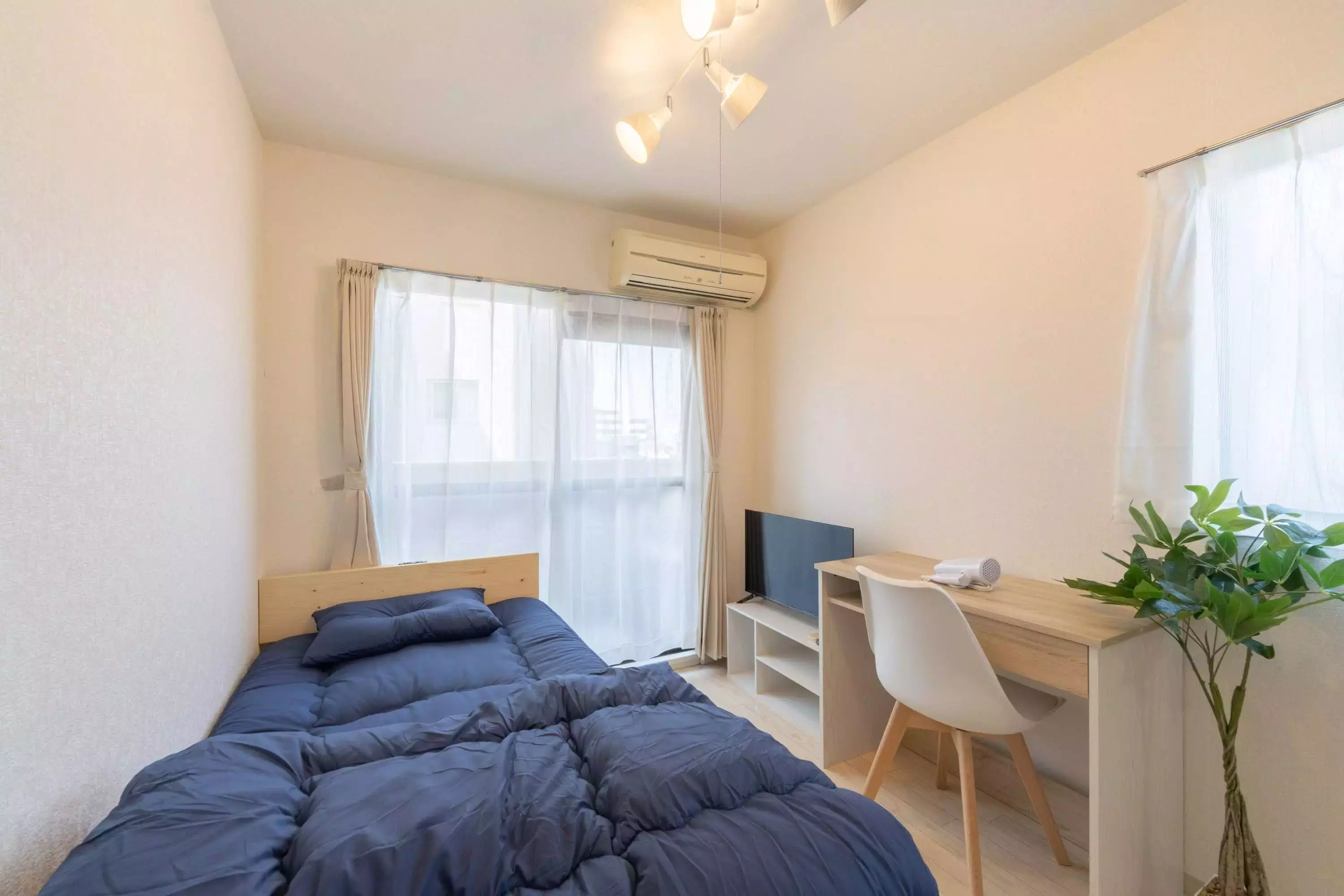
Share houses are an ideal option for those who want to keep rent and registration fee down. Many properties do not require a security deposit or key money, reducing the burden of moving in compared to regular rental properties. Furthermore, many come furnished with furniture and appliances, which is another attractive feature as it significantly reduces moving expenses.
Furthermore, since utility bills and living expenses can be shared, it's possible to live comfortably while keeping monthly expenses down. Especially in urban areas, shared housing is often more cost-effective than living in a studio apartment, making it popular among budget-conscious people.
② People who prioritize a good location
Share houses are an attractive option for those who want to live in a convenient area of an urban center. Even in areas near train stations or popular neighborhoods where regular rental housing tends to be expensive, share houses offer relatively reasonable rents.
Furthermore, shared housing with good access to commuting to work or school is ideal for people who want to make the most of their time. For example, working professionals in the city center or students attending university can shorten their commute time and improve their quality of life by choosing a property with smooth access to their workplace or school.
③ People who prioritize ease of moving in
Share houses are a convenient option for people who are worried about the application process or who don't have a guarantor. While typical rental agreements require proof of income and a guarantor, many share houses have relaxed requirements, making it easy for people living alone for the first time or those who have just changed jobs or relocated to move in.
Furthermore, because many properties have simple contract procedures, there are quite a few share houses where you can move in immediately. This creates a safe and secure living environment even for freelancers and foreign nationals who may have difficulty passing the screening process of guarantee companies.
④ People looking for short-term accommodation
Share houses are also suitable for people looking for temporary accommodation for reasons such as studying abroad, relocating for work, or changing jobs. While typical rental properties often have minimum contract periods of one to two years, share houses offer a wide variety of options for shorter-term contracts.
Furthermore, the flexible contract options of shared housing are attractive to those seeking flexible accommodation. For example, for people who "want to stay for only a few months" or "may experience changes in their living environment due to a job change or relocation," shared housing, with its highly flexible contract options, is an ideal choice.
⑤ People who enjoy interacting with others
Share houses are ideal environments for people who enjoy communication and want to make new friends and build new networks. In particular, properties with well-equipped common spaces naturally foster interaction among residents, allowing you to expand your social circle.
Another appealing aspect of living in a share house is the regular parties and events held among residents. Because it attracts people from diverse backgrounds—travel enthusiasts, entrepreneurs, creators, and more—you can expect stimulating encounters and opportunities to broaden your perspectives.
Search for a room
Only furnished properties with appliances are listed!
Attribute data of people living in shared housing
Share houses are a popular housing option for people seeking a specific lifestyle. This article provides a detailed explanation of the age range, employment status, gender ratio, and trends among foreign residents of share houses.
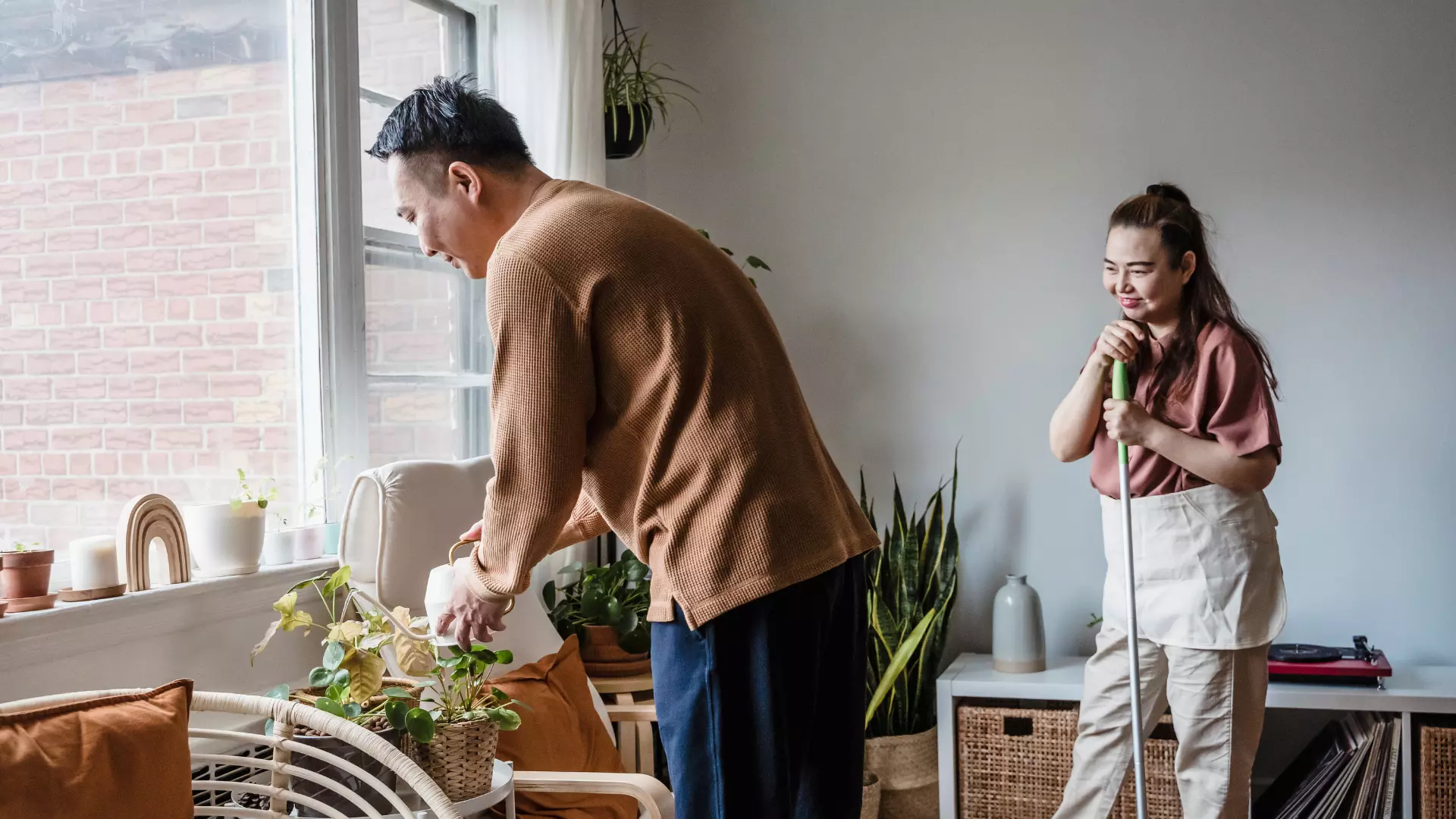
Age range: Primarily 20s and 30s, with many working professionals and students.
Share houses are primarily inhabited by young people in their 20s and 30s, and are particularly popular among working professionals and students.
- Working adults: Especially in urban areas, many people want to live in a convenient area while keeping rent down, so they tend to choose shared housing.
- Students: Many university and vocational school students choose shared housing to reduce the cost of living alone. It also has a high proportion of international students, making it suitable for those seeking cross-cultural exchange.
Employment Type | Mostly full-time employees and freelancers, with a significant number in creative and IT fields.
A notable characteristic of people living in shared housing is that their employment status includes not only full-time employees, but also many freelancers and remote workers.
- Full-time employees: The reasons why working adults who are employed by companies choose to live in a shared house are the economic benefits, such as "wanting to live in the city center but wanting to keep rent down" and "being able to share living costs."
- Freelancers and remote workers: Recently, the number of shared houses with co-working spaces has been increasing, and many people working in IT and creative fields live there. For those who want a property with a reliable internet connection and an environment that makes it easy to balance work and private life, shared houses are an ideal place to live.
Male to female ratio
The male-female ratio in shared housing varies greatly depending on the property, but generally, there is an increasing trend towards properties that are exclusively for women or have a large number of female residents.
- Mixed-gender: In typical share houses, the gender ratio is either even or slightly more female.
- Women-only share houses: Especially in urban areas, properties designed for women who prioritize security and privacy are gaining popularity. Women-only share houses often come equipped with features such as automatic locks and security cameras, providing a safe and secure living environment.
Foreign national residents
Share houses often have many foreign residents, creating an environment conducive to international exchange. They are particularly popular with people who have the following characteristics:
- International students: More and more are choosing shared housing, which offers many opportunities for cultural exchange, in order to get used to life in Japan.
- For working holiday visa holders: Share houses are very attractive for those who want to stay for a short period, as they offer lower registration fee and flexible contract terms.
- Japanese people seeking international exchange: For Japanese people interested in overseas countries or those who want to learn foreign languages, the opportunity to interact with residents from diverse backgrounds is a major attraction of share houses.
Advantages and disadvantages of shared housing
Share houses are a popular choice for many people as a convenient living style that keeps costs down. However, they also have challenges, such as ensuring privacy and potential conflicts between residents. This article will explain the advantages and disadvantages of share houses in detail, so please use it as a reference when choosing the right housing for you.
Additionally, the article "A Thorough Explanation of the Advantages and Disadvantages of Share Houses! Tips for Choosing the Right One and Living Comfortably" provides detailed information on the specific advantages and disadvantages, as well as tips for comfortable share house living and how to choose the right property. If you're interested in share houses, be sure to check it out!
Advantages of a shared house
Share houses offer a convenient lifestyle while keeping costs down. Especially in urban areas, there are many reasons why people choose share houses. Here, we'll introduce some of the main advantages of share houses.
1. You can save on rent and registration fee.
The biggest appeal of shared housing is that the rent is Affordable compared to typical rental properties. Many properties do not require a security deposit or key money, and most come furnished with furniture and appliances, which can significantly reduce moving costs.
2. You can share utility bills and living expenses.
Many properties include utilities such as water, electricity, gas, and internet in the rent, which is a major advantage as it helps keep monthly fixed costs down. Sharing groceries with other residents can also help save on living expenses.
3. You can live in a well-located area.
Even in expensive city centers and popular areas where regular rentals are costly, share houses often offer more affordable housing options. They can shorten your commute time and improve the convenience of your lifestyle.
4. Opportunities for interaction increase, and new connections are expanded.
Share houses offer an environment where communication is active, making it easy to meet like-minded people and expand your social circle. In particular, properties with many foreign residents offer increased opportunities for international exchange, which is another attractive feature.
5. It can alleviate the anxieties of living alone.
Living in a shared house offers a sense of security due to the presence of multiple residents. Furthermore, the availability of support from others in case of illness or emergencies is a reassuring advantage.
Disadvantages of shared housing
While shared housing offers advantages in terms of cost and social interaction, it also has its drawbacks inherent to communal living. To live comfortably in a shared house, it's important to understand the disadvantages and consider countermeasures.
1. Difficulty in ensuring privacy.
Although there are private rooms, the living Living room, kitchen, and Bathroom are shared, making it difficult to ensure complete privacy. It may not be suitable for people who want to spend time alone in peace and quiet.
2. Stress caused by differences in lifestyle
When residents have different lifestyles, you might hear conversations late into the night or be bothered by noises in the early morning. People who work shifts or remotely need to be especially mindful of differences in their daily routines compared to other residents.
3. Rules are needed for the use of shared spaces.
Since multiple people share the kitchen and Bathroom, problems can arise if someone doesn't follow the rules regarding cleaning and taking out the trash. It's important to check the rules for using shared spaces in advance.
4. Potential for interpersonal problems to occur
In shared housing, conflicts can arise between residents due to differences in values and lifestyles. Noise issues and disputes over the use of shared spaces are particularly common. Maintaining a healthy distance and effective communication are essential for building smooth relationships.
5. The contract period and rules for moving out differ from those of a regular rental property.
Unlike regular rental agreements, shared housing contracts can be short-term, but they can also have strict rules regarding moving out. Be sure to check the contract details beforehand to avoid problems when you move out.
Search for a room
Only furnished properties with appliances are listed!
People who are suited to living in a shared house and those who are not.
While shared housing offers many advantages, it's a living style that suits some people but not others. Understanding the characteristics of those who can comfortably live in shared housing and those who find it stressful will help you choose the right housing for you.
In particular, the article "What are the characteristics of people who are not suited to living in a share house? Points to consider when choosing a suitable place to live" explains in detail the specific characteristics of people who find living in a share house difficult, and what kind of housing is more suitable as an alternative. If you are interested in share houses but have concerns, please refer to this article.
People who are suited to living in a shared house
1. Someone who enjoys communication
In a shared house, residents often use common spaces such as the Living room and kitchen, naturally fostering interaction among them. For those who enjoy conversation and interaction with others, a shared house is an attractive environment. In particular, if there are residents of foreign nationality, there are many opportunities for cross-cultural exchange and exposure to new values.
2. Someone who can cooperate with others
In a shared house, you'll have to do shared tasks like cleaning and taking out the trash. For people who can cooperate with others to maintain a comfortable living environment, a shared house can be a very pleasant place to live. Conversely, it might not be suitable for people who prefer to live only for themselves.
3. People who want to reduce their living expenses
One of the biggest advantages of shared housing is that rent and utility costs are shared. Especially in urban areas, shared housing is often more cost-effective than renting a studio apartment, making it an ideal choice for budget-conscious individuals. Furthermore, many shared housing units come furnished with furniture and appliances, making them a great option for those who want to minimize registration fee.
People who are not suited to living in a shared house
1. People who value their alone time
In a shared house, it can be difficult to have completely alone time because you use shared spaces such as the Living room, kitchen, and Bathroom. For people who value quiet time alone, it may be an environment where privacy is difficult to maintain.
2. People who are sensitive to everyday noises and privacy.
In a shared house, you might be bothered by noises from your neighbors' rooms or conversations in common areas. For people who seek a quiet environment or are sensitive to noise, this can easily become stressful. Also, those who are uncomfortable using shared kitchens and Bathroom might be better suited to living alone with their own private facilities.
3. People who have trouble following rules
Share houses have rules in place to ensure smooth communal living, such as rules for taking out the trash, cleaning duties, and prohibitions against making noise at night. Share houses may not be suitable for people who have difficulty following these rules or who prefer to live freely at their own pace.
summary
Share houses are ideal for people seeking economic benefits and social interaction with other residents. They offer many advantages, especially for those who want to keep rent down, prioritize the convenience of urban areas, or are looking for short-term stays. On the other hand, those who value privacy, are sensitive to noise, or have difficulty following rules may find them stressful.
It's important to determine if a shared house is right for you and choose a comfortable living environment. Select a home that matches your lifestyle and values to create your ideal life!