What is the average initial cost of living alone?
The initial costs required when starting to live alone vary depending on the type of property and location. This article provides a detailed explanation of average costs nationwide, factors that increase costs, and estimated initial costs for each region and property type. We also introduce tips for avoiding unnecessary expenses, so please refer to this if you are planning to start living alone.
What is the average initial cost of living alone?
It is said that the initial costs of living alone average around 500,000 yen. This amount includes the following expenses:
| expense item | General market price |
| Security deposit and key money | One to two months' rent each |
| Brokerage fee | One month's rent |
| First month's rent and common area fees | 1-2 months' rent |
| Guarantee company fee | 0.5 to 1 month's rent |
| Fire insurance premium | 15,000 to 25,000 yen |
| Lock replacement fee | 10,000 to 30,000 yen |
| Moving expenses | 30,000 to 100,000 yen |
| Furniture and appliance purchase costs | 50,000 to 150,000 yen |
Thus, the costs associated with signing a property contract and the purchase of furniture and appliances to start living there make up a large portion of the expenses.
However, by choosing properties with no security deposit or key money, or by utilizing shared housing, it is possible to reduce initial costs to around 100,000 to 300,000 yen.
What factors contribute to high initial costs?
The main factors that contribute to high initial costs for living alone are as follows:
1. Whether or not a security deposit and key money are required.
For properties with a security deposit and key money, you will need to pay 2 to 4 months' worth of rent at the time of signing the contract. On the other hand, you can significantly reduce initial costs by choosing properties with zero deposit, zero key money, or free rent periods.
2. Brokerage fee
Generally, real estate agents charge a commission equivalent to one month's rent, but recently, there has been an increase in properties with no commission or half-price commissions. If you want to keep costs down as much as possible, it is recommended to look for a real estate agent with low commission fees.
3. Cost of purchasing furniture and home appliances
Buying new furniture and appliances can cost over 100,000 yen. You can save a significant amount of money by using second-hand items or choosing a rental property that comes with appliances.
4. Timing of moving
Moving costs are high during the peak season (February to April), so moving during the off-season (May to January) can help you save money.
5. Region and property grade
In urban areas, rent is generally higher, and so are initial costs. Furthermore, newer and more well-equipped properties tend to have higher initial contract fees.
Estimated initial costs by region and property type
Initial costs vary greatly depending on the region and type of property. Below is a summary of typical initial costs.
1. Average initial costs by region
| region | Estimated initial costs |
| Central Tokyo (23 wards) | 600,000 to 1,000,000 yen |
| Kansai (Osaka, Kyoto, Kobe) | 400,000 to 800,000 yen |
| Nagoya and Fukuoka | 350,000 to 700,000 yen |
| local city | 200,000 to 500,000 yen |
Rent is high in Tokyo's 23 wards, which inevitably means high initial costs. On the other hand, in regional cities, there are many properties that do not require a security deposit or key money, making it easier to keep initial costs down.
2. Initial costs by property type
| Property Type | Estimated initial costs | Features |
| One-room apartment (1K) | 300,000 to 700,000 yen | Typical rental properties for single people |
| Furnished apartments | 200,000 to 500,000 yen | You can reduce the cost of purchasing furniture and home appliances. |
| Share house (private room) | 50,000 to 200,000 yen | Many properties do not require a security deposit or key money, and include common area maintenance fees. |
| Zero-zero property | 100,000 to 300,000 yen | Properties that do not require a security deposit or key money. |
Choosing a shared house or a furnished apartment can significantly reduce initial costs.
Ways to reduce initial costs of living alone
The average initial cost of starting to live alone is said to be 500,000 yen, but with some ingenuity, it's possible to reduce it to around 100,000 to 300,000 yen. Here, we'll introduce some specific ways to reduce initial costs.
Looking for a property with no security deposit or key money.
A "zero-zero property" is a rental property that does not require a security deposit or key money. Normally, security deposits and key money alone amount to 2 to 4 months' rent, but by choosing a zero-zero property, you can eliminate these expenses.
<Advantages of properties with zero deposit/zero key money>
- The initial payment at the time of contract is significantly less.
- It's also suitable for short-term stays.
- This can help avoid disputes regarding the return of the security deposit upon moving out.
<Tips for finding zero-deposit, zero-deposit properties>
- Use the "no security deposit/key money" filter on real estate websites.
- Consider UR rental housing or public housing.
- Consult a real estate company that does not charge a commission fee.
<Points to note about zero-deposit properties>
Some zero-deposit properties may have higher rent than the market rate or high renewal fees, so be sure to carefully check the contract terms.
Take advantage of properties with free rent.
A "free rent" is a rental agreement where the rent is waived for a certain period. Typically, this includes one to three months' worth of rent.
<Benefits of rent-free period>
- Initial expenses can be significantly reduced.
- I can save money before I start paying rent.
- You can save even more by combining this with zero security deposit and key money.
<How to find properties with free rent>
- Search for properties with the condition "free rent available".
- We aim to secure contracts during the off-season for moving (May to January).
- Negotiate for free rent on newly built properties or properties with many vacancies.
<Points to note regarding rent-free properties>
Some properties with free rent may have conditions such as "a penalty fee will be incurred if you do not live there for a certain period." Be sure to check the details carefully before signing the contract.
How to reduce brokerage fees
Normally, the brokerage fee is equivalent to one month's rent, but it is possible to have it waived or reduced by half using the following methods.
<Ways to save on brokerage fees>
- Search for properties with "zero brokerage fees" or "half-price brokerage fees".
- Target properties with a "direct contract with the landlord" (renting directly from the landlord).
- Choose UR rental housing (no brokerage fee required)
- Negotiate the brokerage fee (by mentioning competing properties to negotiate a lower price).
<Notes>
If there is no brokerage fee, the management fee and renewal fee may be set higher, so make your decision based on the total cost.
Techniques to reduce initial costs through rent negotiation
While it's often thought that rent is "non-negotiable," it's sometimes possible to lower your rent by 5,000 to 10,000 yen depending on your negotiation skills.
<Key points for negotiating rent>
- Target properties that have been vacant for a long time (the owner wants to sign a contract quickly).
- Emphasize that the property is available for immediate occupancy (negotiate a lower price on the condition of signing an early contract).
- We research local market prices and propose a fair price.
- Tell them you're considering other properties (to stimulate their competitive spirit).
<Notes>
When negotiating, you can increase your chances of success by telling the owner about your advantages, such as "I can sign a contract immediately" or "I plan to live there for a long time."
Tips for saving money on furniture and home appliances (used, rental, and free giveaways)
Buying new furniture and appliances can cost between 100,000 and 150,000 yen, but you can save a significant amount using the following methods.
Buy used items
- Use Mercari, Jimoty, and second-hand shops.
- Only the essentials are carefully selected.
Use a rental service
- Renting home appliances costs between 3,000 and 5,000 yen per month.
- For short stays, it's more cost-effective than purchasing.
Get it for free from acquaintances or on social media.
- I'll get it from the person who's moving out.
- Utilize university bulletin boards and local Facebook groups.
<Notes>
When buying used home appliances, be sure to check the year of manufacture and whether or not there is a warranty.
A thorough explanation of the advantages and disadvantages of paying initial costs in installments and using credit cards.
The initial costs of living alone typically amount to several hundred thousand yen, including security deposits, key money, brokerage fees, and the cost of purchasing furniture and appliances. Since a significant amount of money is required, there are ways to reduce the burden, such as using installment payments or credit cards.
<Benefits of using installment payments for initial costs>
- You don't have to pay in a lump sum, which allows you to have more financial flexibility.
- With rental properties that offer installment payments, you can spread the burden across monthly payments.
- You can earn points with your credit card.
- If there is a zero-fee installment plan, you can use it without any actual increase in cost.
<Disadvantages of paying initial costs in installments or using a credit card>
- Installment payments may incur interest and fees.
- Long-term repayment can potentially increase the financial burden on households.
- Exceeding your credit card limit will affect other payments.
- Installment payments may not be available for some properties.
<Points to consider when paying initial costs in installments>
- Find rental properties that offer installment payment options and confirm with the real estate company beforehand.
- If using a credit card, choose an installment plan with zero interest.
- Use a credit card that supports rent payments to aim for point rewards.
- Consider your monthly repayment amount and create a realistic plan.
Installment payments are an effective way to reduce the burden of initial costs, but it is important to use them strategically, taking into account the long-term repayment burden.
Search for a room
Only furnished properties with appliances are listed!
Tips and tricks to save money on moving expenses
Moving expenses for a single person typically range from 30,000 to 100,000 yen. However, with some ingenuity, it's possible to reduce this to a few thousand yen or even 20,000 yen. Here, we'll explain specific methods in detail.

① Moving during the off-season (May to January) will be cheaper.
Moving company fees can skyrocket to 1.5 to 2 times the normal rate during the peak season from February to April, when demand is high. On the other hand, during the off-season from May to January, it's easier to book and prices drop significantly, so if you want to keep moving costs down, this is the best time to aim for. In particular, June and November have low demand for moving, so many companies offer discount campaigns. If you absolutely need to move during the peak season, choosing a plan that allows for weekdays or no specific time slots can significantly reduce costs.
② Use the free service
A "flexible service" is a plan where moving companies utilize their available time slots and trucks, and can be 20-50% cheaper than a regular move. While you can't specify the exact date and time because you're working with the moving company's schedule, the advantage is the reduced cost. Especially for single-person moves, using a flexible service can save tens of thousands of yen. If you have flexibility in your schedule or your move isn't urgent, this method is worth considering.
③ Rent a light truck and ask a friend to help.
Renting a light truck yourself instead of using a moving company can significantly reduce moving costs. Rental fees range from a few thousand yen to around 10,000 yen, which is cheaper than hiring a company even including gasoline costs. However, you will need to load and unload your belongings, so it is recommended to ask friends or family to help. If you have few furniture or appliances, using car sharing or a rental van is also an option. It is important to check the amount of belongings beforehand and choose a vehicle of the appropriate size.
④ Get multiple quotes and negotiate a lower price with the contractors.
To keep moving costs down, it's crucial to get quotes from multiple companies. Comparing quotes from at least three companies and choosing the cheapest one can save you thousands or even tens of thousands of yen. When negotiating, it's effective to refer to quotes from other companies to request a price reduction. Also, check for offers such as "free cardboard boxes" or "discount campaigns" to choose a plan that helps reduce costs. Getting an in-person estimate will allow for more accurate price negotiations.
⑤ How to reduce moving expenses to as close to zero as possible
If you want to minimize moving costs, choosing a furnished apartment is a good option. This significantly reduces initial expenses and eliminates the cost of transporting furniture and appliances. You can also reduce the amount of belongings you need to bring to your new home by selling unwanted furniture or using free giveaway websites, potentially allowing you to move with just a small truck. Utilizing your company's relocation assistance program is another option. If you're moving due to a job change or new employment, be sure to check beforehand if your employer offers any assistance programs.
If you want to drastically cut down on the initial costs of living alone, a "share house with private rooms" is the perfect solution!
The initial costs of starting to live alone typically amount to around 500,000 yen, including security deposit, key money, brokerage fees, and the cost of purchasing furniture and appliances. However, by choosing a shared house with a private room, it's possible to reduce these costs to under 100,000 yen. Shared houses are an excellent option, especially for those who want to start their new life smoothly and at a low cost.
What are the advantages of living in a shared house?
The appeal of shared housing lies in the fact that it allows you to significantly save on both initial costs and monthly living expenses compared to regular rental properties.
1. Many properties do not require a security deposit, key money, or brokerage fees.
In typical rental agreements, you are required to pay a security deposit, key money, and brokerage fees equivalent to 2 to 4 months' rent at the time of signing the contract. However, many share houses do not require these fees, significantly reducing initial costs.
2. Furnished with furniture and appliances, so no purchase costs are necessary.
Normally, when starting to live alone, you need to buy things like a refrigerator, washing machine, bed, and desk, but in a share house, basic furniture and appliances are provided, so you can significantly reduce the cost of purchasing them.
3. Many properties include utilities (water, electricity, gas) and internet fees.
Many shared houses include water, gas, electricity, and internet fees in the rent, which helps keep monthly fixed costs down. In particular, many properties have a Wi-Fi environment, allowing for a comfortable lifestyle without the need for additional contracts.
4. Costs upon moving out are reduced.
In typical rental properties, cleaning fees and restoration costs are often deducted from the security deposit upon moving out. However, in the case of share houses, these moving-out fees are often low or waived, reducing the burden of moving.
Share houses are perfect for people like this!
Share houses are especially recommended for the following types of people:
1. I want to keep initial costs as low as possible.
This is perfect for people who want to live alone but don't have a large sum of money. You can reduce initial costs to less than half of what you would pay for a regular rental.
2. I am considering a short-term stay.
Share houses are convenient for people who only plan to live in a shared house for a short period due to job transfers or temporary work. Many properties have contract periods set for several months at a time, and the procedures for moving out are also smooth.
3. Buying furniture and appliances is a hassle.
For people who find it difficult to furnish their new home with furniture and appliances, a shared house that already has all the necessities is an ideal environment.
4. I want to enjoy a life with a community.
Share houses are ideal for people who want to interact with others in the common areas, as residents can connect through shared spaces. They are particularly appealing to those who want to enjoy cultural exchange or make new friends.
Key points to consider when choosing a shared house with private rooms.
When choosing a shared house, it's important to check the following points beforehand.
1. Check the facilities and rules of the shared spaces.
Check if the shared spaces such as the kitchen, bathroom, and living room are comfortable, and whether the cleaning and usage rules are clearly defined. Properties with well-established rules tend to be more comfortable to live in.
2. Property Location and Access
When considering commuting to work or school, it's important to check the distance from train stations and bus stops, as well as the availability of nearby supermarkets and convenience stores. A poor location can make daily commutes stressful.
3. Check the contract period and cancellation conditions.
Unlike regular rentals, shared housing often has shorter contract periods, so be sure to check if it suits your lifestyle. Also, whether or not there are any penalties for early termination is an important point to consider.
Search for a room
Only furnished properties with appliances are listed!
Enjoy a comfortable lifestyle while saving money wisely in a private room share house with Cross House!
Cross House's private room share houses offer an ideal living environment where you can enjoy a comfortable private space while keeping initial living costs down. We have numerous properties mainly in Tokyo, providing a safe and secure living environment while keeping monthly costs low.
1. Ready to move in immediately with furniture and appliances included!
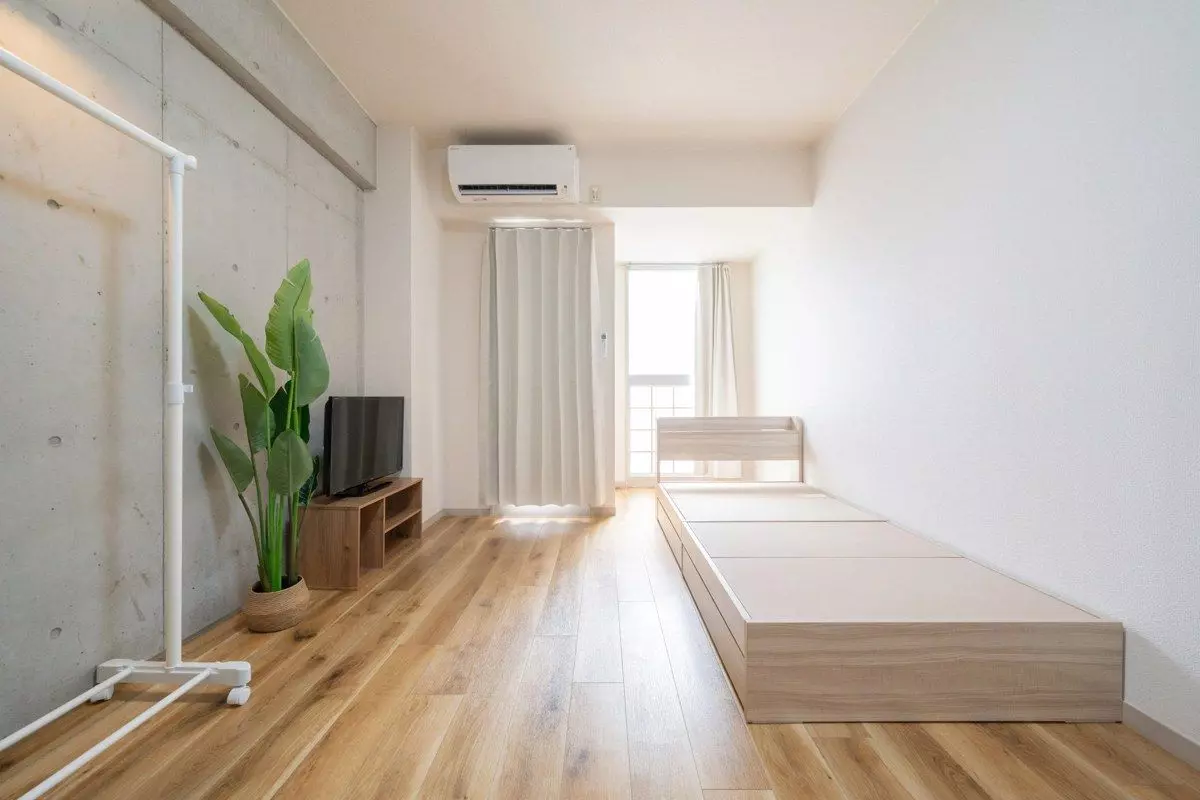
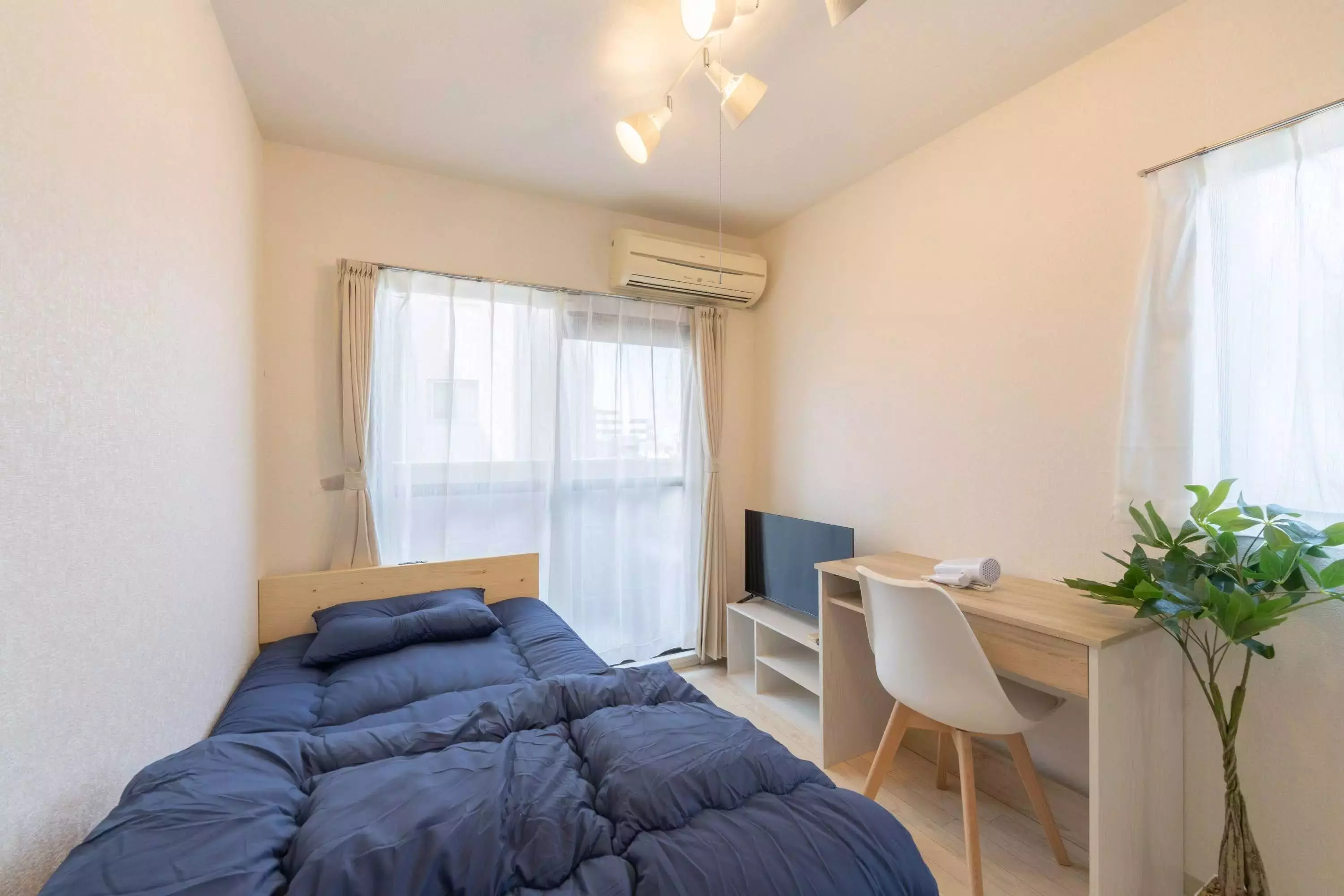
Cross House's private rooms are fully furnished with furniture and appliances such as a bed, desk, chair, refrigerator, TV, and air conditioner, providing everything you need to start your new life. While typical single-person living requires an initial investment of several hundred thousand yen to purchase furniture and appliances, Cross House allows you to save on these costs and start your new life smoothly.
2. Common area fees include utilities (water, electricity, gas) and internet.
The rent includes utilities (water, electricity, gas) and internet fees, allowing you to clearly manage your monthly fixed expenses. Wi-Fi is also provided, making it ideal for teleworking and online learning. Since there's no need for additional contracts, you can enjoy a comfortable internet environment immediately after moving in.
3. Plenty of properties located near train stations and with excellent access to the city center.
Cross House properties are mostly located near train stations in Tokyo and other major cities, making them attractive for their convenient locations for commuting to work or school. In particular, many properties offer access to popular areas such as Shinjuku, Shibuya, and Ikebukuro within 20 minutes, allowing for a comfortable urban lifestyle.
4. The sense of security and community unique to shared housing
Living alone can sometimes lead to loneliness and anxiety, but a share house offers an environment where you can enjoy interacting with other residents. There are plenty of opportunities to meet and connect with new people through conversations and events in common areas. Furthermore, the building manager and staff regularly patrol the premises, ensuring a safe and secure living environment.
5. Flexible contract periods make short-term stays OK!
While typical rental properties usually require a two-year contract, Cross House offers many properties that allow short-term stays starting from one month, making them ideal for those considering relocation or temporary stays. Furthermore, the security deposit and restoration costs upon vacating are lower than those of typical rentals, resulting in highly cost-effective housing.
summary
While the initial costs of living alone typically amount to around 500,000 yen, it's possible to reduce this to under 100,000 yen by utilizing a share house. In particular, Cross House's private room share houses come fully furnished with appliances and include utilities, allowing for a comfortable and low-cost lifestyle. Furthermore, you can save even more by taking advantage of zero-deposit or rent-free properties, reducing brokerage fees, and using secondhand furniture and appliances. Choose your accommodation wisely and start your new life smoothly!