
Is it possible to live alone on a net income of 200,000 yen? What is the reality of living on that amount?
Many people wonder if it's possible to live alone on a net income of 200,000 yen. Whether you can live comfortably depends on the balance between your income and expenses.
Here, we'll introduce a guideline for monthly and annual incomes with a net income of 200,000 yen, as well as real-life experiences from people living alone.
Estimated monthly and annual income for a net income of 200,000 yen
How much gross salary (total pay) is needed to earn a net income of 200,000 yen? Let's look at a common calculation method.
- Gross monthly income: Approximately 260,000 to 280,000 yen
- Estimated annual income: approximately 3.12 million to 3.36 million yen
- Deductions include: social insurance premiums, income tax, resident tax, etc.
Your take-home pay will vary depending on where you live and the benefits offered by your employer. For example, if you work for a company that provides housing allowances and transportation allowances, your actual disposable income will increase, making it possible to live a relatively comfortable life even with a take-home pay of 200,000 yen.
Voices of people who actually live on a net income of 200,000 yen
What kind of life do people living alone on a net income of 200,000 yen lead? Based on real opinions from social media and review sites, we'll introduce what their actual lives are like.
Case 1: Living in a regional city with a rent of 50,000 yen (25-year-old male)
"I live in a regional city in an apartment with a rent of 50,000 yen. I keep my fixed expenses (rent, utilities, communication costs, etc.) under 100,000 yen, and by adjusting my food and entertainment expenses, I can save 30,000 to 50,000 yen every month. I don't have any particular problems, but it gets tough if I spend too much on travel or hobbies."
Case 2: Living in Tokyo with a rent of 70,000 yen (28-year-old woman)
"I live in a one-room apartment in Tokyo's 23 wards with a rent of 70,000 yen. My living expenses are tight, but I manage to get by by cooking at home as much as possible and cutting back on subscriptions and entertainment expenses. I can only save about 10,000 to 20,000 yen a month, but I don't feel like I'm living in poverty."
Case 3: Owning a car in the city center (30-year-old male)
"I live alone in Tokyo and own a car. Including parking fees, gasoline, and maintenance costs, a take-home pay of 200,000 yen is quite tight, and I'm almost always in the red. If you need a car, you might want to consider living in a regional city or choosing a job where you can use a company car."
Recommended rent and areas for those with a net income of 200,000 yen
When considering living alone on a net income of 200,000 yen, rent is a major factor. To live comfortably, it's important to set a reasonable rent and choose an area that suits you.
This article will introduce guidelines for appropriate rent, average rent prices by area, differences between Tokyo and rural areas, and recommended areas where you can live comfortably on a net income of 200,000 yen.
Is a reasonable rent of 60,000 to 70,000 yen? Check the average rent by area.
Generally, it's considered ideal for a single person to keep their rent to "less than one-third of their take-home pay." For someone with a take-home pay of 200,000 yen, a reasonable rent would be around 60,000 to 70,000 yen. Let's use this as a benchmark and look at average rent prices by area.
Average rent for studio apartments (1K) in major cities (latest data as of 2025)
| City | Average rent (studio apartment/1K) |
|---|---|
| Tokyo's 23 Wards | Approximately 75,000 to 100,000 yen |
| Osaka City | Approximately 55,000 to 75,000 yen |
| Nagoya City | Approximately 50,000 to 65,000 yen |
| Fukuoka City | Approximately 45,000 to 60,000 yen |
| Sapporo City | Approximately 40,000 to 55,000 yen |
| Sendai City | Approximately 45,000 to 60,000 yen |
Finding a property for under 70,000 yen in Tokyo's 23 wards is difficult, but you can find properties in the 60,000 yen range in the suburbs. On the other hand, in regional cities like Osaka, Nagoya, Fukuoka, and Sapporo, you can find perfectly adequate properties for under 60,000 yen.
Tokyo vs. the provinces: Which is easier to live in?
There are significant differences in rent and living costs between Tokyo and rural areas. Let's compare the advantages and disadvantages of each when considering living on a net income of 200,000 yen.
The advantages of living alone in Tokyo
- There are many job and part-time work options, and opportunities to increase your income.
- Public transportation is well-developed, so you can live without owning a car.
- There are many restaurants and entertainment facilities, making it a very convenient place to live.
Disadvantages of living alone in Tokyo
- With high rent and cost of living, it's difficult to save money on a net income of 200,000 yen.
- Commuting during rush hour and crowded conditions can be stressful.
Advantages of living alone in a regional city
- The rent is cheap, and you can live in a spacious property for under 60,000 yen.
- Living expenses are reduced, making it easier to save money.
- Many areas offer a calm environment and are close to nature.
Disadvantages of living alone in a regional city
- Public transportation is inconvenient, and a car is often necessary.
- There are few job options, and opportunities to increase income are limited.
- There are few entertainment facilities and restaurants.
If you prioritize "low rent," then the countryside is recommended; if you prioritize "convenience," then Tokyo is the better choice.
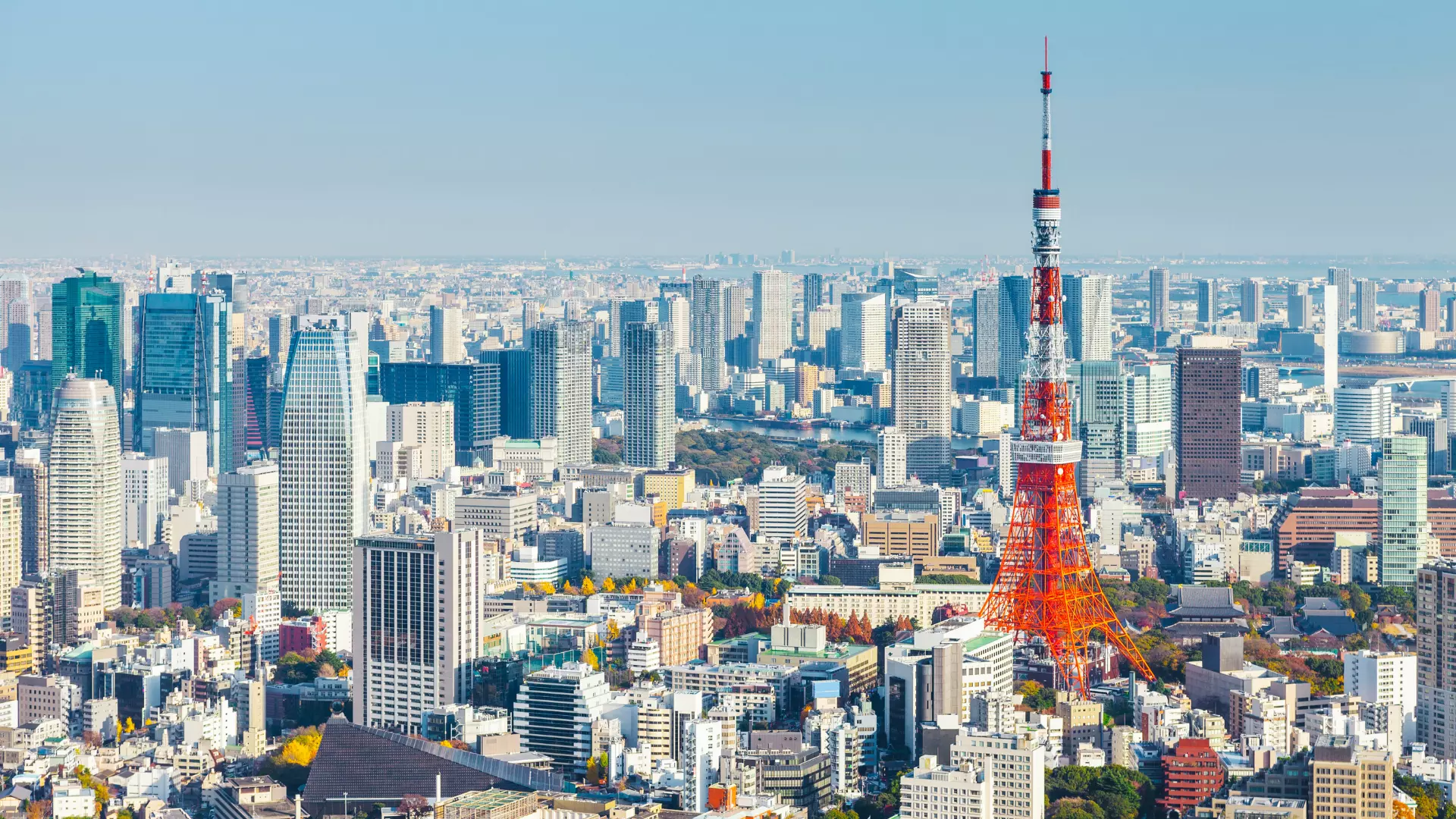
Recommended areas where you can live comfortably on a net income of 200,000 yen.
Even with a net income of 200,000 yen, comfortable single living is possible depending on the area you choose. Here, we introduce areas that offer high convenience while keeping rent low.
Recommended areas with Affordable rent near Tokyo
- Nerima Ward, Itabashi Ward, Kita Ward (Average rent: 65,000 to 75,000 yen)
→Rent is relatively inexpensive even within the 23 wards of Tokyo, and access to the city center is also good.
- Saitama Prefecture (Kawaguchi, Warabi, Toda) (Average rent: 55,000-65,000 yen)
→ Less than 30 minutes by train to Tokyo, making it possible to work in the city center while keeping rent low.
- Chiba Prefecture (Matsudo, Ichikawa, Funabashi) (Average rent: 50,000-65,000 yen)
→Areas closer to Tokyo have convenient transportation and are great value for money.
Recommended cost-effective areas in regional cities
- Osaka City (Suminoe Ward, Higashi Yodogawa Ward) (Average rent: 50,000-60,000 yen)
→Good access to central Osaka, and the rent is relatively low.
- Nagoya City (Nakamura Ward, Showa Ward) (Average rent: 45,000 to 60,000 yen)
→Convenient transportation and easy to keep living costs down
- Fukuoka City (Hakata Ward/Chuo Ward) (Average rent: 45,000-55,000 yen)
→It's easy to live here because the rent is cheap and the city has plenty of amenities.
Search for a room
Only furnished properties with appliances are listed!
Living expenses simulation on a net income of 200,000 yen
If you live alone on a net income of 200,000 yen, how much would your monthly living expenses be?
We'll simulate fixed expenses such as rent and utilities, and variable expenses such as food and entertainment, and also provide a guideline for savings. Let's consider how to balance your spending so you can live comfortably and save even a little.
Breakdown of fixed costs (rent, utilities, communication costs)
Fixed expenses are recurring monthly costs that make up the majority of total expenses. Let's look at a general guideline to see how much these expenses would be on a net income of 200,000 yen.
Rent guideline
Since it is generally considered appropriate to spend about 30% of your take-home pay on rent, a guideline for rent would be around 60,000 to 70,000 yen.
However, since lowering rent means you'll have more disposable income and savings, ideally, you should choose a property in the 50,000 yen range if possible.
Estimated utility costs
- Electricity bill: 5,000-7,000 yen (varies depending on how often the air conditioner is used)
- Gas bill: 3,000-6,000 yen (varies depending on whether it's city gas or propane gas)
- Water bill: 2,000-4,000 yen (varies by region)
A typical estimate for utility costs is approximately 10,000 to 17,000 yen in total.
Estimated communication costs
- Smartphone cost: 3,000-8,000 yen (around 3,000 yen with a budget SIM, around 8,000 yen with a major carrier)
- Wi-Fi cost: 3,000-5,000 yen (fixed line or pocket Wi-Fi)
The total cost will be approximately 6,000 to 13,000 yen.
Estimated total fixed costs
| item | Estimated cost |
|---|---|
| rent | 60,000 to 70,000 yen |
| Utility expenses | 10,000 to 17,000 yen |
| Communication costs | 6,000 to 13,000 yen |
| total | 76,000 to 100,000 yen |
Since fixed expenses alone account for 40-50% of your take-home pay, it's crucial to control how much you spend on other living expenses.
Estimates for variable expenses such as food, entertainment, and hobbies.
Variable expenses vary greatly depending on your lifestyle. Since they can be controlled through saving, it's important to eliminate waste.
Food expenses
- Home cooking: 20,000-30,000 yen
- Frequent eating out: Over 40,000 yen
You can save money by cooking at home more often and eating out less.
Entertainment expenses
- Budget-friendly: 5,000-10,000 yen (drinking out about 1-2 times a month)
- Standard: 15,000-25,000 yen (includes dining out and leisure activities with friends)
- High: 30,000 yen or more (frequent drinking parties and trips)
Hobbies and entertainment expenses
- 5,000 to 20,000 yen (gym, movies, live events, games, subscriptions, etc.)
Transportation expenses
- Using trains within Tokyo: 5,000-10,000 yen (using a commuter pass)
- If you own a car: 15,000 yen or more (gasoline, parking, insurance)
Estimated total variable costs
| item | Estimated cost |
|---|---|
| Food expenses | 20,000 to 40,000 yen |
| Entertainment expenses | 5,000 to 30,000 yen |
| Hobbies and entertainment expenses | 5,000 to 20,000 yen |
| Transportation expenses | 5,000 to 15,000 yen |
| total | 35,000 to 100,000 yen |
If you cut back on food and entertainment expenses, you can save money even with a net income of 200,000 yen.
Can you save money? Savings goals and examples.
Even with a net income of 200,000 yen, it's possible to save a certain amount each month depending on how you manage your spending. Here's a breakdown of how much you can actually save, broken down by different scenarios.
Case 1: Savings-focused type (saving 50,000 yen or more per month)
- Rent: 55,000 yen (suburbs of Tokyo / rural areas)
- Fixed costs: 20,000 yen
- Variable costs: 50,000 yen
- Savings amount: 50,000 yen or more
▶Tips for saving money: Keep rent low and focus on cooking at home. Minimize entertainment expenses as well.
Case 2: Balanced savings plan (saving 20,000 to 30,000 yen per month)
- Rent: 65,000 yen (closer to the city center)
- Fixed costs: 25,000 yen
- Variable costs: 75,000 yen
- Savings amount: 20,000-30,000 yen
▶Tips for saving money: Enjoy your hobbies and social activities while saving money in moderation.
Case 3: Spendthrift type (almost no savings)
- Rent: 70,000 yen (city center)
- Fixed costs: 30,000 yen
- Variable costs: 90,000 yen
- Savings amount: 0 to 10,000 yen
▶Lifestyle characteristics: Frequent eating out and drinking parties, high rent, and little financial leeway.

Points that make living alone on a net income of 200,000 yen difficult.
Living alone on a net income of 200,000 yen can be challenging, with difficulties managing monthly expenses. High rent, living costs, and unexpected expenses are often major burdens. This article explains some of the typical reasons why living alone can feel "tough."
High rent makes saving money difficult.
For someone living alone with a net income of 200,000 yen, rent is the biggest expense. Generally, it's ideal to keep rent within 30% of your net income (around 60,000 to 70,000 yen), but depending on the area, it can be difficult to stay within this limit.
Problems that arise from high rent
- I can barely save any money each month: When rent exceeds 70,000 yen, it becomes a struggle to make ends meet, leaving no room for saving.
- You'll need to cut back on food and entertainment expenses: High rent forces you to cut back on other expenses, reducing the amount you can spend on eating out and hobbies.
- Limited lifestyle options: Compromising on where you live to save money can lead to longer commutes or poorer living conditions.
Tips for keeping rent down
- Reconsider your area choice (if you're in Tokyo's 23 wards, consider suburbs, Saitama, Chiba, Kanagawa, etc.)
- Utilize shared housing or room sharing (share rent and utility costs)
- Choose an older property (if it has been renovated, you can also ensure a comfortable living environment).
If you can keep your rent under 60,000 yen, you'll have room to save even with a net income of 200,000 yen.
High cost of living in urban areas such as Tokyo and Osaka
In large cities, not only rent but all living expenses are high, making it difficult to live comfortably on a net income of 200,000 yen. The following expenses, in particular, tend to be high:
Factors that contribute to higher living costs in urban areas
| item | Tokyo and Osaka (urban areas) | local city |
|---|---|---|
| rent | 70,000 to 100,000 yen | 40,000 to 60,000 yen |
| Food expenses | 30,000 to 50,000 yen | 20,000 to 35,000 yen |
| Transportation expenses | 10,000 to 20,000 yen | 5,000 yen to 10,000 yen |
| Entertainment expenses | 20,000 to 50,000 yen | 10,000 to 30,000 yen |
In particular, food, transportation, and entertainment expenses tend to be higher in urban areas, so if you don't save money, you'll often find yourself struggling to make ends meet.
Tips for reducing living expenses in urban areas
- Choose a company that offers housing allowances (if the company has good employee benefits, the actual burden will be reduced).
- Save on transportation costs by using commuter passes (make the most of your company's commuting allowance)
- Reduce eating out and increase home cooking (in urban areas, lunch alone can cost over 1,000 yen).
If you're living alone in the city center on a net income of 200,000 yen, the key is to carefully review where you can save money and keep your fixed expenses down.
Unexpected expenses and the burden of wedding and funeral costs
Living on a net income of 200,000 yen makes it difficult to cope with unexpected expenses. For example, the following expenses can quickly strain your monthly living expenses.
Examples of unexpected expenses
- Home appliance malfunctions (repair or replacement of refrigerators and washing machines: 20,000 to 100,000 yen)
- Medical expenses and dental treatment costs (treatment costs not covered by health insurance: 10,000 to 50,000 yen)
- Expenses related to weddings, funerals, and other ceremonial occasions (Wedding gifts: 30,000 to 50,000 yen, Funeral gifts: 10,000 to 30,000 yen)
- Expenses for visiting my parents' home (transportation costs, souvenirs, etc.: 10,000 to 30,000 yen)
Situations where having no savings is problematic
- I've been invited to friends' and relatives' weddings, but the cost of wedding gifts and dresses is putting a strain on my living expenses.
- If you go to the hospital because you suddenly feel unwell, the treatment and medication costs can add up.
- My refrigerator broke down, but I don't have the budget to buy a new one, so I have no choice but to pay in installments.
How to prepare for unexpected expenses
- Make it a habit to save at least 10,000 yen each month (set aside as a reserve fund for living expenses).
- Avoid overusing credit card installment payments or loans (be careful, as this increases your interest burden).
- Try to keep fixed costs down as much as possible and prepare for unexpected expenses (review rent, communication costs, etc.).
It's important to set aside a small amount of "emergency funds" each month so you won't be in trouble when an emergency arises.
Search for a room
Only furnished properties with appliances are listed!
If you're struggling to make ends meet on a net income of 200,000 yen, consider living in a shared house!
Living alone on a net income of 200,000 yen can be difficult, with rent and living expenses being a heavy burden, making saving money challenging. Especially in urban areas, rent is high, and even with reduced food and social expenses, it's often a tight budget. Therefore, why not consider the option of a "share house," which offers a comfortable lifestyle while keeping costs down?
What is a share house? How is it different from living alone?
A share house is a type of housing where multiple residents share a single property. While private rooms are often provided, residents share common spaces such as the kitchen, Living room, and shower room.
Comparison of living alone versus living in a shared house
| item | Living alone | Share house |
|---|---|---|
| rent | 60,000 to 80,000 yen | 30,000 to 60,000 yen |
| Utilities/Wi-Fi | 10,000 to 15,000 yen | Almost all included (included in management fees) |
| registration fee | Security deposit and key money of 100,000 yen or more | Many properties do not require a security deposit or key money. |
| Furniture and home appliances | I bought it myself | Mostly built-in |
| exchange | Almost none | You can interact with the residents. |
Advantages of a shared house
Rent can be significantly reduced.
The biggest advantage of a shared house is that the rent is Affordable.
Even in urban areas like Tokyo and Osaka, there are many share houses where you can live for around 30,000 to 50,000 yen a month. Furthermore, since utilities and Wi-Fi are often included in the management fee, you can significantly reduce your monthly expenses.
Low registration fee, ready to move in
With regular rental properties, it's common to spend over 100,000 yen on With Zero deposit / key money / brokerage fee when moving in. However, many share houses have no security deposit or key money, and many have zero registration fee, which can significantly reduce your financial burden.
Furthermore, since many shared houses come furnished with furniture and appliances, there's no need to buy new appliances.
Many properties include utilities (water, electricity, gas) and Wi-Fi.
In shared housing, electricity, gas, water, and internet are often included in the rent. This not only saves you the hassle of individual contracts, but also allows you to live without worrying about monthly variable expenses.
With more opportunities for interaction, I don't feel lonely.
When you live alone, there are days when you come home from work and don't talk to anyone, but in a shared house, you have opportunities to interact with other residents and communicate to a reasonable extent, so you are less likely to feel lonely.
In particular, "hobby-focused share houses," which make it easy to meet people with the same interests, and "international share houses," which allow you to interact with foreigners, are also popular.
You can live in a prime location in the city center.
Normally, rent is expensive to live in central Tokyo or Osaka, but with a share house, you can often live in a convenient area of the city center at a Affordable rent. Shorter commute times are also a major advantage.
If you'd like to learn more about the advantages and disadvantages of shared housing, please see "A Thorough Explanation of the Advantages and Disadvantages of Shared Housing! Tips for Choosing the Right One and Living Comfortably."

Recommended share house areas for those with a net income of 200,000 yen
Tokyo area
- Nerima Ward, Itabashi Ward, Kita Ward (average rent: 35,000 to 50,000 yen)
- West Tokyo area (Musashino, Mitaka, Kokubunji) (average rent: 40,000-60,000 yen)
- Chiba and Saitama (Ichikawa, Urawa, Kawaguchi, etc.) (Average rent: 30,000 to 50,000 yen)
Osaka area
- Higashi Yodogawa Ward and Sumiyoshi Ward (average rent: 30,000 to 50,000 yen)
- Sakai City and Toyonaka City (average rent: 30,000 to 45,000 yen)
local city
- Nagoya City (Naka Ward/Meito Ward) (Average rent: 35,000 to 50,000 yen)
- Fukuoka City (Chuo Ward/Hakata Ward) (Average rent: 30,000-45,000 yen)
Even in urban areas, choosing a shared house makes it possible to live in a convenient location near a train station at a low cost.
Savings tips for living comfortably on a net income of 200,000 yen
If you're living alone on a net income of 200,000 yen, managing your living expenses is crucial. To live comfortably while still having money for savings and hobbies, the key is to wisely cut back on rent, fixed costs, food expenses, and transportation costs. This article introduces money-saving tips for living comfortably on a net income of 200,000 yen.
Saving on rent! Tips for shared housing and choosing the right area to live in.
Rent is the largest fixed expense in living costs, and it's also an area where saving money can have a significant impact. Generally, it's ideal to keep rent within 30% of your take-home pay (60,000 to 70,000 yen or less), but this can be difficult to achieve in urban areas.
Ways to reduce rent
- Utilize shared housing (you can live in the city center for 30,000 to 50,000 yen in rent)
- Living in the suburbs or a neighboring prefecture (for example, Chiba or Saitama if you live in Tokyo, or Sakai or Higashi-Osaka if you live in Osaka)
- Choose an older property (it will be comfortable if it has been renovated).
- Consider properties located more than a 15-minute walk from the station (rent is higher for properties closer to the station).
- UR rental apartments, company housing, or dormitories are available (no security deposit or key money required, making them cost-effective).
For example, instead of living in a 70,000 yen one-room apartment in Tokyo's 23 wards, you can save over 240,000 yen per year by living in a property in Saitama or Chiba for around 50,000 yen.
Reviewing fixed costs (methods for reducing utility and communication expenses)
By reviewing your fixed expenses, you can definitely reduce your monthly spending.
Ways to save on utility bills
- Bulk contract for electricity and gas (bundle discount)
- Switch to LED light bulbs (cut electricity costs by up to 50%)
- Leaving the air conditioner on all the time can sometimes save energy (it consumes less power than frequently turning it on and off in summer and winter).
- Choose a property that uses city gas instead of propane gas (propane is expensive).
Ways to save on communication costs
- transfers your smartphone to a low-cost SIM plan (you can get one for around 3,000 yen).
- Take advantage of pocket Wi-Fi or fiber optic internet promotion campaign.
- Reviewing subscriptions (canceling unnecessary ones)
By simply reviewing your communication expenses, you can save between 5,000 and 10,000 yen per month.
Tips for reducing eating out and saving money on food
You can significantly reduce your food expenses with a little ingenuity. By reducing eating out and cooking at home more often, you can save more than 10,000 yen per month.
Tips for saving money on food
- Prevent unnecessary spending by buying groceries in bulk once a week.
- Take advantage of supermarket sale days
- Get ingredients cheaply by using the Furusato Nozei (hometown tax donation) system.
- I use wholesale supermarkets and Costco (freezing them makes them last longer).
- Reduce the burden of cooking by preparing meals in advance.
For example, simply switching from eating out for lunch (1,000 yen per meal) to bringing your own lunch (500 yen per meal) can save you over 10,000 yen a month.
Ways to reduce transportation costs (e.g., commuter passes, using a bicycle)
You can also save money by reviewing your transportation expenses.
Ways to reduce transportation costs
- Make full use of your commuter pass (maximize your company's transportation allowance).
- Using a bicycle (for commuting and shopping)
- Utilize IC card point rewards (Set up auto-charge for Suica/PASMO)
- I try to avoid using taxis as much as possible and instead use trains and Bathroom.
- Use a shared bicycle (you can travel for around 150 yen for 30 minutes).
For example, switching to cycling for your commute can save you over 5,000 yen per month.
Creating financial breathing room by reviewing subscriptions and entertainment expenses.
Reviewing your entertainment expenses and subscriptions can lead to surprisingly significant savings.
Fixed costs that should be reviewed
- Narrow down your choices of video streaming services (Netflix, Hulu, Amazon Prime)
- Review your monthly gym membership fee (municipal gyms are around 1,000 yen/month).
- Reduce your visits to cafes and carry your own reusable bottle.
- I use libraries for books and comics instead of subscription services.
- I switched my music streaming plan to the Free plan.
By simply reviewing your subscriptions and entertainment expenses, you can save ¥5,000 to ¥10,000 per month.
Aiming to increase income through side jobs and skill development.
Saving money is important, but so is finding ways to increase your income.
Recommended side jobs
- Web writer/blog operator (work from home possible)
- Video editing (After acquiring the necessary skills, it's possible to earn over 2,000 yen per hour)
- Programming and Web Design
- Reselling/Mercari (you can earn income just by selling unwanted items)
- Online English conversation instructor and translator
Having an extra income of 10,000 to 30,000 yen per month can make life much easier, even with a net income of 200,000 yen.
Search for a room
Only furnished properties with appliances are listed!
Frequently Asked Questions (Q&A) about living alone on a net income of 200,000 yen
When considering living alone on a net income of 200,000 yen, many questions arise, such as "What's the maximum rent I can afford?", "Can I own a car?", and "Is marriage and raising children possible?". Here, we will answer these common questions in detail and explain how to realistically plan your life on a net income of 200,000 yen.
Is it unrealistic to pay 80,000 yen in rent on a net income of 200,000 yen
To put it bluntly, a rent of 80,000 yen is quite difficult to live in.
Generally, it is considered ideal to keep rent below 30% of your take-home pay. For someone with a take-home pay of 200,000 yen, a reasonable rent would be between 60,000 and 70,000 yen.
Living on an 80,000 yen rent...
- Fixed expenses increase, making it difficult to save money.
- We need to drastically cut back on food and entertainment expenses.
- Unable to cope with unexpected expenses (such as weddings, funerals, or medical expenses).
If you pay 80,000 yen in rent
- Choose a company that offers rent subsidies or company housing.
- If you live in Tokyo, you can utilize room sharing or shared housing.
- I'll keep my rent low and use the savings to improve my quality of life.
If you want to live comfortably, it's best to keep your rent to 30% of your take-home pay (60,000 to 70,000 yen).
Is it possible to own a car on a net income of 200,000 yen?
While it's possible to own a car on a net income of 200,000 yen, it will significantly reduce your financial flexibility. Car maintenance costs are higher than you might imagine, and especially in urban areas where public transportation is readily available, the benefits of car ownership are minimal.
Car ownership costs (monthly estimate)
| item | Estimated cost |
|---|---|
| Parking fees (in urban areas) | 10,000 to 30,000 yen |
| gasoline costs | 5,000 to 15,000 yen |
| Car insurance | 5,000 to 10,000 yen |
| Vehicle inspection and maintenance costs | 5,000 to 10,000 yen (annual fee of 120,000 yen or more divided monthly) |
| Automobile tax | 2,000-4,000 yen (annual fee divided monthly) |
| total | 27,000 to 69,000 yen |
Things to consider if you own a car
- Utilize car sharing or rental cars (rent only when needed).
- If you live in a rural area, you can save money by buying a used kei car (mini car).
- In urban areas, public transport plus bicycles can be used as an alternative.
Especially in urban areas, taxis, rental cars, and car-sharing services are more economical than owning a car. A style of using them only when needed is recommended.
Is it possible to get married and raise children on a net income of 200,000 yen?
The reality is that it's extremely difficult to get married and raise children on a net income of 200,000 yen.
Raising children is especially expensive, so measures such as both parents working or taking on side jobs are necessary.
The reality of married life on a net income of 200,000 yen
| item | Estimated cost (for a couple) |
|---|---|
| rent | 80,000 yen |
| Food expenses | 40,000 yen |
| Utility bills and communication costs | 20,000 yen |
| Living expenses and miscellaneous expenses | 20,000 yen |
| Entertainment and social expenses | 20,000 yen |
| total | 180,000 yen (savings of 20,000 yen per month) |
Once you have a child, you'll have additional expenses like childcare, education, and medical care, so a take-home pay of 200,000 yen is quite difficult to manage.
If you are thinking about marriage and raising children
- Increase household income through dual-income households (ideally, a net income of 400,000 yen or more).
- Living in a rural area with Affordable rent
- Aiming to increase income through side jobs or salary increases.
It's best to consider marriage and raising children only after you've established a situation where you can save money.
Which area in Tokyo is best for living alone?
If you're living in Tokyo with a net income of 200,000 yen, it's important to choose an area where the rent is between 60,000 and 70,000 yen.
Recommended areas (Tokyo 23 wards)
| area | Average rent (1R/1K) | Features |
|---|---|---|
| Nerima Ward | 65,000 to 75,000 yen | A quiet residential area with easy access to Ikebukuro. |
| Itabashi Ward | 65,000 to 75,000 yen | Great value for money, less than 30 minutes to Ikebukuro and Shinjuku. |
| Kita Ward | 60,000 to 70,000 yen | Convenient location in the Akabane/Oji area. |
Recommended areas (Tokyo suburbs and neighboring prefectures)
| area | Rent market price | Features |
|---|---|---|
| Saitama (Kawaguchi, Toda) | 50,000 to 65,000 yen | Less than 30 minutes to Tokyo by train. |
| Chiba (Ichikawa, Funabashi) | 55,000 to 65,000 yen | Affordable rent and great access to Tokyo. |
It's important to avoid expensive areas in Tokyo (such as Shibuya, Shinjuku, and Shinagawa) and choose an area with good cost performance.
How much savings do you need if you're going to live alone?
When living alone on a net income of 200,000 yen, it's important to have at least a minimum amount of savings to prepare for unexpected expenses.
Savings needed when starting to live alone
| item | Estimated cost |
|---|---|
| Security deposit and key money | 100,000 to 200,000 yen |
| registration fee(furniture and appliances) | 100,000 to 150,000 yen |
| Moving expenses | 50,000 to 100,000 yen |
| Living expenses (contingency fund) | 50,000 to 100,000 yen |
| total | 300,000 to 500,000 yen |
Savings needed while living alone
Save at least 10,000 yen per month (120,000 yen per year)
Secure 3 to 6 months' worth of living expenses (400,000 to 600,000 yen) as emergency funds.
Starting to live alone with no savings is risky, so ideally, you should save at least 300,000 yen before moving.
summary
Living alone on a net income of 200,000 yen is certainly possible, but smart spending management is essential to maintain a good quality of life. Keeping rent under 60,000-70,000 yen and reviewing fixed costs such as food and utilities will create room for savings. Since the cost of living is high in urban areas, living in the suburbs or using shared housing are also options. Increasing income through side jobs or skill development is also an important point. With some ingenuity, you can achieve a comfortable life even on a net income of 200,000 yen.