
What is the standard of living for a single person with a net income of 190,000 yen?
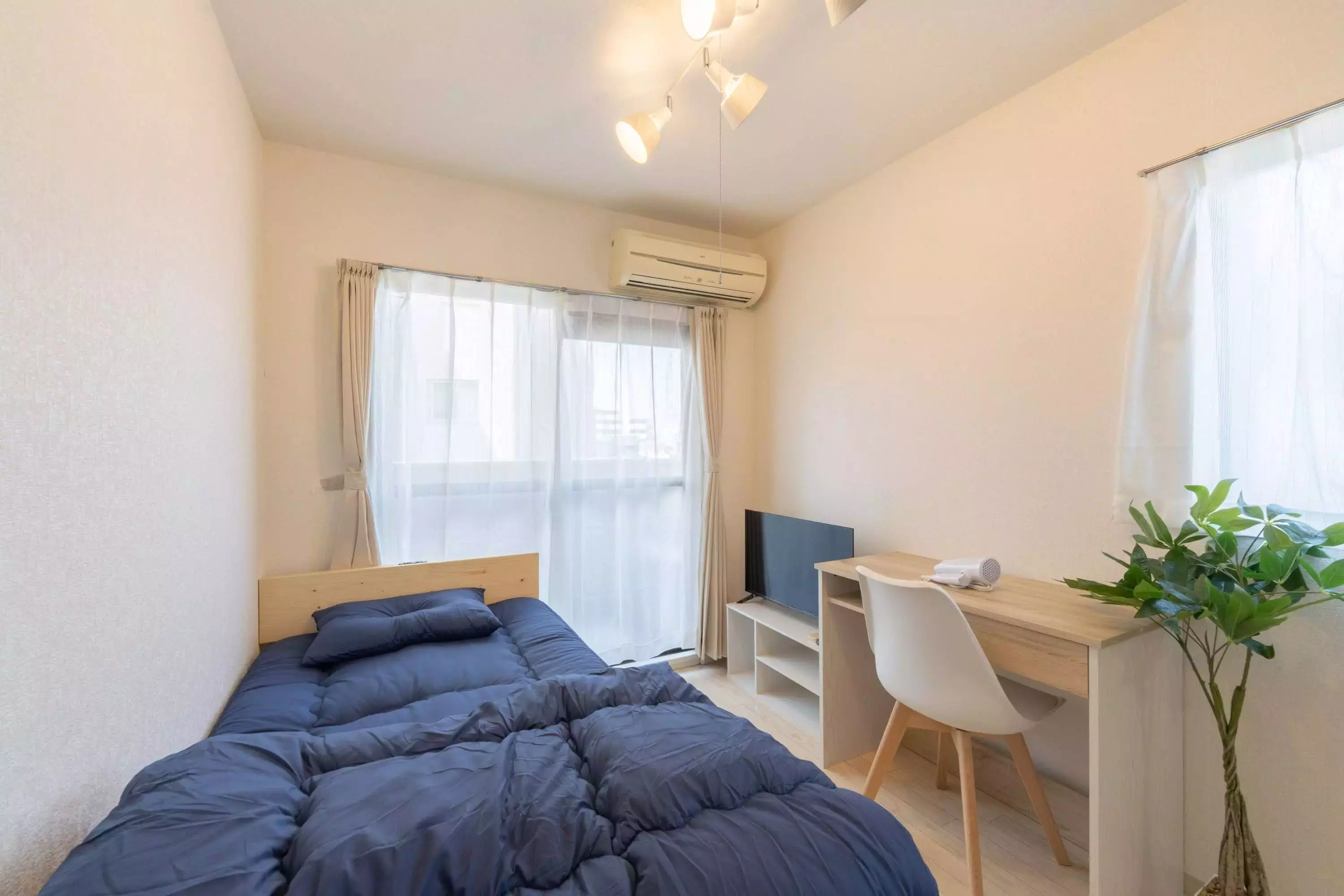
Living alone on a net income of 190,000 yen makes luxury difficult, but it's possible to maintain a basic standard of living if you're frugal. Rent should be around 50,000 to 60,000 yen, and you'll need to find ways to reduce food, utilities, and communication costs. Depending on where you live and your lifestyle, a simple life based on frugality is required, but with some ingenuity, it's possible to live comfortably.
Net income of 190,000 yen (gross annual income equivalent)
A net monthly income of 190,000 yen translates to a gross salary of approximately 240,000 to 250,000 yen before deductions for social insurance and taxes. For a company employee, this would be equivalent to an annual income of around 3 million yen. Deductions for resident tax, employee pension, health insurance, and income tax vary depending on individual circumstances, but generally, an average of 40,000 to 60,000 yen is deducted, so actual disposable income will be even lower. Managing expenses is crucial for living alone on this amount, and strategies such as reviewing fixed costs and utilizing supplementary income are necessary.
Is living alone possible? Or impossible?
In conclusion, the reality is that living alone on a net income of 190,000 yen is "possible, but not comfortable." Especially in Tokyo or areas with high rents, household finances tend to be strained, and if you push yourself too hard, you may not be able to make ends meet. On the other hand, compared to urban areas, it is easier to keep necessary living expenses down in rural areas or areas with lower rents, and you can live with more comfort.
What's a realistic rent amount? [Guidelines and Examples]
For someone living alone on a net income of 190,000 yen, rent is the largest fixed expense each month. Generally, it is considered ideal for rent to be "less than one-third of your net income," and a realistic guideline is an average rent of 60,000 yen or less. In reality, the market rate varies by region, and in urban areas, even a studio apartment can cost 60,000 to 70,000 yen, but compared to urban areas, properties for under 50,000 yen can be found in rural areas and suburbs. For example, many people live in properties with a rent of 55,000 yen and manage to live by saving on food and utilities. Lower rent allows for more money to be saved or spent on hobbies, which directly contributes to a higher level of satisfaction with life.
Is it true that "rent should be one-third of your take-home pay"?
You often hear the guideline that "rent should be kept to one-third of your take-home pay." If your take-home pay is 190,000 yen, one-third is approximately 63,000 yen, and this is the amount you should aim to keep your rent below. Exceeding this amount is likely to put a strain on your living expenses such as food, utilities, and communication costs, making it difficult to save money or cope with unexpected expenses. However, if you have conditions such as working close by and not having to pay for transportation, or receiving financial support from your parents, you may have a little more leeway. This guideline is merely a line that allows you to "live comfortably," and it is important to be careful because if the ratio of expenses to rent is too high, there is a risk of financial hardship in the long term.
Is it possible to live comfortably on rent of 60,000 yen or less?
If your rent is 60,000 yen or less, you can live alone relatively comfortably even with a net income of 190,000 yen. For example, if you live in a place with a rent of 58,000 yen, you'll have to manage your living expenses with the remaining 132,000 yen. If you keep utilities and communication costs to around 20,000 yen and food expenses to around 20,000-30,000 yen, you can live with a fair amount of leeway. However, you need to be careful about registration fee such as moving expenses and purchasing furniture and appliances. It's important to choose a property that strikes a good balance between the conditions and the rent, assuming you'll be living there for a long time.
Is a rent of 70,000 to 80,000 yen too much? Living simulation
If the rent is between 70,000 and 80,000 yen, the amount of money available for living expenses from a net income of 190,000 yen will decrease drastically, making the situation quite difficult.
[Example] Rent: 75,000 yen
- Balance: 115,000 yen
- Utilities, communication costs, and food expenses: 60,000 yen per month
- I have less than 50,000 yen of disposable income.
It will be difficult to cover daily necessities, entertainment expenses, transportation costs, and medical expenses from this income, making it highly likely that you will be living paycheck to paycheck each month. It will also be difficult to cope with unexpected expenses and save money, leading to greater anxiety about the future. If rent is high in the city center, you will need to make arrangements such as room sharing, utilizing company housing programs, or securing income through a side job.
Search for a room
Only furnished properties with appliances are listed!
Breakdown of living expenses and how to manage them
For someone living alone on a net income of 190,000 yen, managing your finances is key to a comfortable life. By understanding your monthly income and expenses and carefully managing fixed and variable costs, you can live without strain. Reviewing "fixed costs" such as rent, communication fees, and utilities is effective and can lead to savings. On the other hand, "variable costs" such as food and entertainment expenses can be managed differently depending on your daily awareness. By spending money strategically, you can reduce waste and even consider saving. In the next chapter, we will introduce specific breakdowns and saving techniques, and explain how to aim for a stable life even on a net income of 190,000 yen.
Example of monthly fixed and variable cost breakdown
The breakdown of living expenses for a single person with a net income of 190,000 yen is as follows:
Fixed costs
- Rent: 55,000 yen
- Utilities (water, electricity, gas): 10,000 yen
- Communication costs (smartphone/Wi-Fi): 6,000 yen
- Subscriptions, etc.: 2,000 yen
Variable costs
- Food expenses: 25,000 yen
- Daily necessities: 3,000 yen
- Transportation expenses: 5,000 yen
- Entertainment and social expenses: 10,000 yen
- Medical expenses and miscellaneous expenses: 5,000 yen
Total: Approximately 121,000 to 130,000 yen
By keeping fixed expenses to around 60,000 to 70,000 yen, you can allocate the rest to variable expenses and savings. Reviewing fixed expenses, in particular, is highly effective and is the first step in reducing waste.
Specific ways to save money and reduce expenses
To live on a net income of 190,000 yen, optimizing your spending is essential. First, reviewing fixed costs is effective. Next, if you focus on cooking at home and utilize bulk buying and freezing, you may be able to keep your monthly food expenses under 20,000 yen. Saving on electricity and water bills is also effective, so be sure to turn off lights when necessary, conserve water, and adjust the air conditioner temperature. In addition, using a household budget app to "visualize" your spending will increase your awareness of how you spend money. Incorporating saving techniques that you can easily maintain into your life is the key to successful household budget management without stress.
How much can you save with a net income of 190,000 yen?
Even with a net income of 190,000 yen, it's entirely possible to save 10,000 to 30,000 yen per month by adjusting your lifestyle. Instead of forcing yourself to save, using methods like "saving first" or "savings accounts" will make it easier to continue. It's important to develop the habit of saving small amounts consistently to prepare for the future, move, or unexpected expenses.
Real-life experiences of people living on a net income of 190,000 yen
Many people live alone on a net income of 190,000 yen. In reality, many manage to live comfortably by being resourceful with rent and lifestyle choices. The level of fulfillment in life varies greatly depending on the area you live in and your values, and how you save money and prioritize your expenses is key. In this chapter, we will introduce how people who actually live on a net income of 190,000 yen manage their finances, strategies for avoiding deficits, and differences between living in rural areas and urban areas, based on their real-life experiences.
How to manage your finances with a rent of 70,000 yen and savings.
Even with a relatively high rent of 70,000 yen, there are people who manage to save money every month. What they all have in common is "thorough management of fixed expenses" and "clear prioritization of spending."
【example】
- I set a weekly budget for food expenses and mainly cook at home.
- I've narrowed down my subscriptions to just one, and I'm very conscious of saving on utility costs.
- I implement a "first-set savings" method, where I transfer a portion of my income to a separate savings account beforehand.
Even with high rent, it's entirely possible to save around 10,000 yen per month by carefully reducing other expenses. This lifestyle is a good example for those who prioritize their living environment.
Common traits of people who don't go into debt
People who can live comfortably on a net income of 190,000 yen without going into debt share several common characteristics.
- "Knowing your monthly expenses" is the most important thing.
- "Strategies to minimize fixed costs"
- I am very strict about not wasting money.
Diligent management and a high level of awareness are what support a stable life.
Differences between rural and urban areas - the influence of where you live
Living alone on a net income of 190,000 yen varies greatly depending on the area you live in. In urban areas, rent is high, and even a studio apartment can cost 70,000 to 80,000 yen, making it difficult to manage living expenses. On the other hand, in rural areas, it is often possible to find a suitable property for 40,000 to 50,000 yen, significantly reducing fixed costs. In addition, the cost of living is relatively low in rural areas, making food and transportation expenses lighter. However, it is important to note that a car may be necessary in some areas, in which case maintenance costs will be added. Choosing an area that suits your lifestyle and future plans is key to a comfortable life living alone.
Search for a room
Only furnished properties with appliances are listed!
Key points for choosing an apartment and tips for saving on rent.
To successfully live alone on a net income of 190,000 yen, it's crucial to choose a comfortable living environment while keeping rent as low as possible. The key is finding the right balance between rent, location, and conditions. By slightly compromising on things like the age of the building, floor plan, and distance from the station, you can sometimes save 10,000 to 20,000 yen on rent. Also, by utilizing techniques to reduce registration fee, key money, and brokerage fees at the time of signing the contract, you can significantly reduce expenses when moving. Furthermore, simply avoiding the peak season for real estate can help you find a property that closely matches your desired conditions at a lower price. In this chapter, we will introduce in detail the key points for finding a room without making mistakes and tips for choosing a property that you can live in comfortably.
Age of building, distance from station, and design considerations for the floor plan.
To keep rent down, the key is to be flexible in considering factors such as the age of the building, distance from the station, and floor plan. Even if a building is older, if the interior has been renovated, it can be a comfortable place to live, and it can sometimes be 10,000 to 20,000 yen cheaper than newer properties. Also, if you can find a place within a 10 to 15 minute walk from the station, the rent can drop significantly. Furthermore, choosing a 1R (studio apartment) with a combined Bathroom and toilet rather than a 1K or studio apartment can further reduce costs. Since a little compromise can lead to significant savings while ensuring a minimum level of comfort, it is recommended to prioritize your requirements when searching for a room.
Techniques to reduce registration fee and contract costs
The registration fee of moving are typically around 4 to 6 months' worth of rent, which can be quite expensive. However, with a little ingenuity, it's possible to significantly reduce these expenses.
- Choosing a property with "no security deposit or key money" can significantly reduce registration fee.
- Take advantage of real estate websites that offer Free brokerage fees, or choose properties that include a free rent period (one month Free).
- Choosing a furnished apartment can reduce expenses after moving.
It's important to carefully review the contract details and not hesitate to ask the real estate company any questions you may have. Choose a property that allows you to live comfortably and with peace of mind while keeping costs down.
Search for properties during off-peak seasons.
The peak season for rental properties is from January to March. During this time, demand for moving increases, and rent and registration fee tend to rise. Popular properties are quickly rented out, so you may not have time to choose carefully. If you want to keep rent down, the best time to look for properties is during the off-season from April to August. During the off-season, it is easier to negotiate rent, and services such as free rent are often included, making it easier to lower the total cost. Furthermore, real estate agents are generally more attentive, allowing you to consult with them at your leisure. By timing your move carefully, you can secure a room with better conditions at a lower price.

Savings tips for living alone on a net income of 190,000 yen
To continue living alone on a net income of 190,000 yen, it's essential to practice money-saving techniques closely tied to daily life. By not only reducing fixed costs but also paying attention to everyday expenses, it's possible to save money while maintaining a reasonable quality of life. Furthermore, "visualizing" expenses helps prevent wasteful spending and is effective in establishing saving habits. In this chapter, we will explain practical money-saving methods in an easy-to-understand manner, item by item.
Food expenses: Cooking at home and using inexpensive ingredients.
Food expenses are key to saving money. Simply reducing eating out and switching to home cooking can save you 10,000 to 20,000 yen per month. Stocking up on inexpensive yet nutritious ingredients like frozen vegetables, chicken breast, tofu, and eggs from wholesale supermarkets or discount drugstores is especially cost-effective. Utilizing meal prep and freezing reduces cooking time while efficiently lowering food costs. Bringing your own lunch and using a reusable water bottle further cuts unnecessary expenses. Maintaining a balanced diet while saving money is key to a healthy and budget-friendly lifestyle.
Communication costs: Introducing a low-cost SIM card.
Recently, the number of people using budget smartphones has been increasing. While smartphone plans with major carriers can cost around 8,000 to 10,000 yen per month, transfers to a budget SIM can reduce this to around 2,000 to 3,000 yen per month. For those who don't make many calls, a data-only plan is sufficient. By using apps like LINE and Zoom for calls, call charges can be kept to a minimum. In recent years, the communication speed of budget SIMs has improved, and they can be used without problems in daily life. You can also significantly reduce initial costs by using used or older models of smartphones. In the long run, reviewing your communication expenses can greatly contribute to improving your household budget.
Utility costs: Review of service provider and usage.
Utility bills, such as electricity, gas, and water, are also points to review every month. First, review your electricity and gas companies. With deregulation, new electricity companies offering Affordable plans or bundled discounts can lead to savings of several thousand to tens of thousands of yen per year. Also, being mindful of how you use them is another way to save money. Small, consistent efforts such as turning lights on and off frequently, installing a water-saving showerhead, and keeping the air conditioner set to around 28°C in summer and 20°C in winter are effective. Using energy-saving gadgets and appliances is also recommended. These small, manageable savings add up to a big difference over the year.
Daily necessities and clothing: Utilize flea markets and reuse services
To reduce expenses on daily necessities and clothing, it's wise to make good use of flea market apps and reuse shops. For example, on Mercari and Rakuma, you can find unused or good-condition second-hand items at low prices, and sometimes even branded items can be purchased for less than half the original price. Also, stocking up on detergents and toilet paper when they're on sale can save you money. For clothes, it's a good idea to look for sale items at the change of seasons or take advantage of local events such as clothing exchange events.
Household budget management: Utilizing apps and handwritten household budget books
First and foremost, understanding your income and expenses is the first step to saving money. Using a household budget app will automatically record and categorize your monthly expenses, allowing you to see at a glance where you're wasting money. Popular apps include "Money Forward ME," "Zaim," and "Household Budget Receipt!", and their ability to link with banks and credit cards is also convenient. Handwritten household budget books also have a strong following, as "writing things down helps you become more conscious of your spending." Even simply writing down your budget in a planner or notebook and recording how much you spend can have a significant effect on saving money. By "visualizing" your household finances in a way that suits you, you will naturally become more aware of how you spend money, enabling you to live a more planned life.
Search for a room
Only furnished properties with appliances are listed!
How much are the registration fee required to start living alone?
The registration fee required when starting to live alone are generally estimated to be equivalent to 4 to 6 months' rent. Specifically, in addition to With Zero deposit / key money / brokerage fee associated with the rental agreement, there will also be moving expenses and the cost of purchasing furniture and appliances. For example, for a property with a monthly rent of 60,000 yen, the total cost may be around 300,000 to 500,000 yen. If you want to keep costs down as much as possible, effective measures include choosing properties with "no security deposit or key money" or "furnished properties," and carefully considering the timing of your move. In this chapter, we will explain the estimated costs for each item and how to save money.
registration fee associated with a rental agreement (security deposit, key money, etc.)
When signing a lease agreement for a rental property, various registration fee are incurred. The main breakdown is as follows:
- Security deposit: Equivalent to one month's rent (a deposit used to cover repair costs upon vacating the property)
- Key money: One month's rent (a gratuity to the landlord; non-refundable)
- Brokerage fee: One month's rent (fee paid to the real estate company)
- Advance rent and common service fee: 1 month's rent + common service fee
- Fire insurance premium: 10,000 to 20,000 yen
- Key replacement fee and guarantee company fee: 10,000 to 30,000 yen
Since the total often amounts to 4 to 5 months' worth of rent, it's safer to budget around 240,000 to 300,000 yen if your rent is 60,000 yen. Choosing a property with "no security deposit or key money" can significantly reduce costs.
Moving expenses and ways to save money
Moving costs vary greatly depending on distance, amount of belongings, and time of year. For a single person moving, the average cost is around 20,000 to 60,000 yen, but during peak seasons such as March, prices can be 1.5 to 2 times higher. Here are some tips for keeping costs down:
- Avoid peak season (April to January is recommended).
- Get quotes from multiple moving companies.
- Reduce your belongings and utilize single-person moving packages.
- Moving on my own + renting a car or getting help from friends
You can further reduce costs by coordinating the timing of your furniture and appliance purchases with the amount of belongings you move.
Minimum budget required for furniture and home appliances
When starting to live alone, you'll need surprisingly many pieces of furniture and appliances, so you should budget at least 50,000 to 100,000 yen. Below are some of the main items and their estimated costs.
- Refrigerator: 10,000 to 30,000 yen
- Washing machine: 10,000 to 20,000 yen
- Microwave and rice cookers: ¥5,000 to ¥10,000 each
- Bed and Futon set: 10,000 to 20,000 yen
- Tables, storage shelves, etc.: Several thousand to 10,000 yen
- Curtains, lighting fixtures, and accessories: ¥5,000 - ¥10,000
To keep costs down, consider using second-hand shops and flea market apps, as well as choosing properties that come furnished with furniture and appliances. Another effective approach is to focus on the bare essentials and gradually acquire more items after moving in.
Let's consider a shared house.
If you find it difficult to live alone on a net income of 190,000 yen, consider the option of a "share house." Share houses offer lower rent and utility costs, and many come furnished with appliances, significantly reducing registration fee. You can also share food and daily necessities, making it easier to lower your daily costs.
Among them, "XROSS HOUSE" is a popular share house brand mainly operating in Tokyo, Kanagawa, Chiba, and Saitama. With no With Zero deposit / key money / brokerage fee, and registration fee of 30,000 yen, it's perfect for those who prioritize cost-effectiveness when living alone. It's recommended for people who want to enjoy not only their living space but also socializing, and for those who want to start living cheaply. Even those who are anxious about living alone can start their new life with peace of mind in a share house.
summary
Living alone on a net income of 190,000 yen is certainly not comfortable, but it is entirely possible with careful saving and budget management. Rent, in particular, accounts for a large portion of household expenses, so it's important to keep it to "less than one-third of your net income (under 60,000 yen)." Save money on food, communication costs, and utilities by cooking at home and using budget SIM cards, and prevent waste by making your expenses transparent.
Additionally, when moving, choosing properties with "no security deposit or key money" or "furnished with furniture and appliances" can help reduce registration fee. Furthermore, for those who want to save even more money, a shared house is a recommended option. Shared houses offer a comfortable living environment while keeping registration fee down, making them ideal for those who want to start a new life without spending a lot of money.
Even with a limited income, it's entirely possible to live comfortably and securely by reviewing your lifestyle and making wise choices and managing your finances. Use this article as a guide to find a way of living alone that suits you.