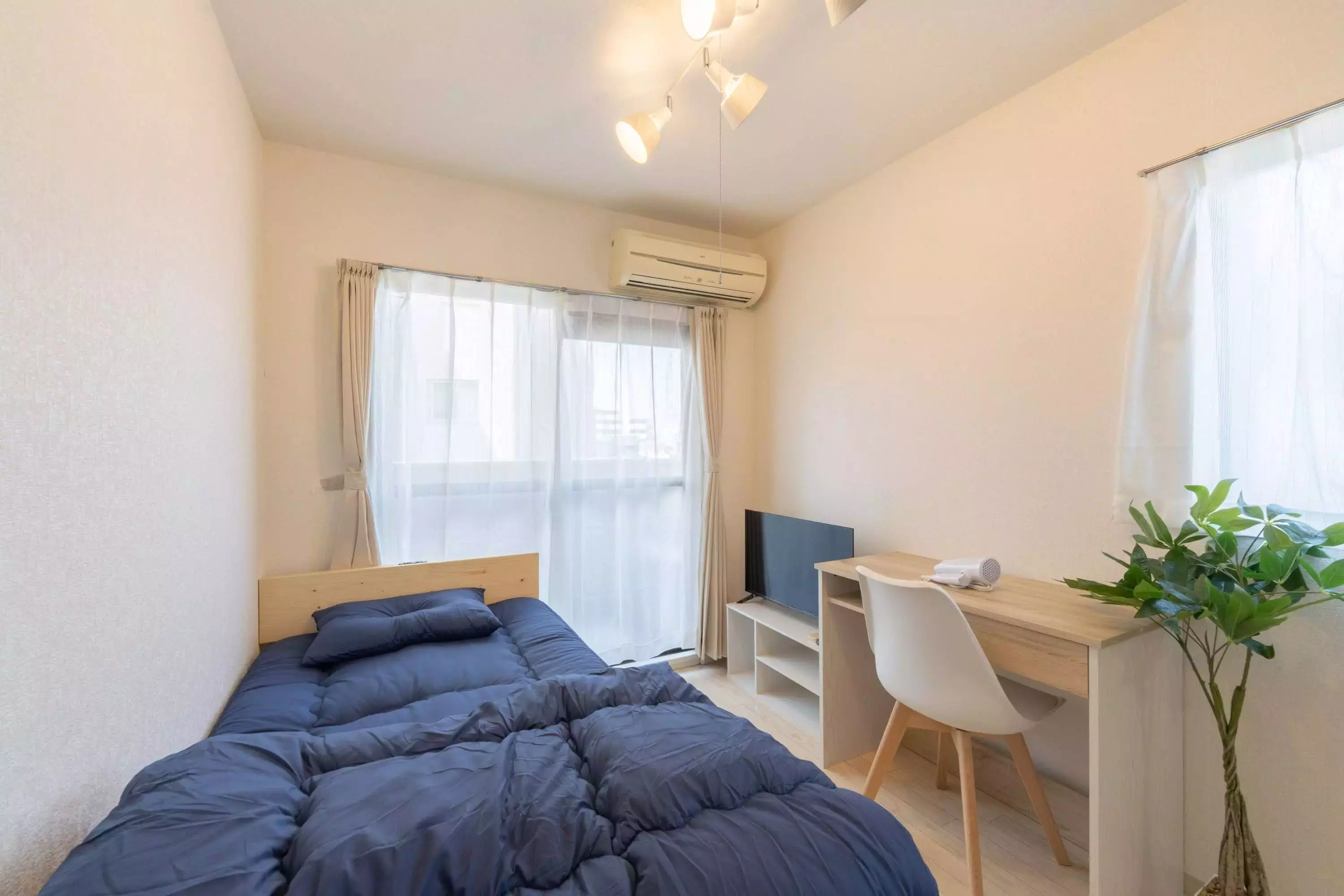

What kind of lifestyle can you expect on a net income of 250,000 yen?
A net income of 250,000 yen is slightly above the national average. In urban areas, it is often considered "average to slightly difficult," while in rural areas, it is often considered "relatively comfortable," indicating that the perceived standard of living varies greatly depending on where you live.
For example, in central Tokyo, rent is high, making it easy to feel pressured by living expenses. However, in regional cities, rent and the cost of living are lower, allowing for a more comfortable lifestyle even with the same income. Having a firm grasp of your monthly income and expenses and managing fixed costs without undue burden is key to a stable life living alone.
Estimated monthly and annual income, and the burden of taxes and insurance.
To receive a net income of 250,000 yen, you need a gross monthly income of approximately 320,000 to 340,000 yen. This is equivalent to an annual income of approximately 4 million to 4.5 million yen.
The main deductions from this amount are income tax, resident tax, health insurance, and employee pension contributions, which account for approximately 20-30% of the total. While there are slight differences depending on whether you have dependents and the municipality, it's important to understand how social insurance contributions are calculated in advance to ensure a stable monthly take-home pay. Since taxes and insurance premiums are automatically deducted, plan your living expenses based on the amount you actually have available to spend.
Is a net income of 250,000 yen a lot or a little? [Comparison with averages by age and gender]
According to surveys by the National Tax Agency and other sources, the average take-home pay for full-time employees in their late 20s to early 30s is approximately 220,000 to 240,000 yen. Therefore, a take-home pay of 250,000 yen seems slightly above average, but many people feel it is "not enough" depending on the cost of living and lifestyle in urban areas.
Looking at it by gender, men tend to have slightly higher take-home pay, while women often earn in the low 200,000 yen range. In other words, a take-home pay of 250,000 yen is in the middle position—neither too much nor too little. With a review of your lifestyle, a perfectly stable life is possible.
Living standards vary depending on whether or not you receive a bonus.
Whether or not you receive a bonus significantly impacts the stability of your life throughout the year. Even with a monthly take-home pay of 250,000 yen, if you receive a bonus of one to two months' salary each in summer and winter, your annual income will increase significantly, making it easier to save money and cope with unexpected expenses.
On the other hand, if you don't receive a bonus, you have to manage your living expenses and savings within your monthly salary, which makes managing them much more difficult. Setting rent or loan payments based on the assumption of a bonus is risky, so it's ideal to calculate daily living expenses on a monthly salary basis and treat bonuses as "extra."
What is a realistic breakdown of living expenses for someone living alone?
When you start living alone, you'll have many expenses besides rent, such as food, utilities, communication costs, and daily necessities.
With a net income of 250,000 yen, it's possible to live comfortably depending on how you manage your living expenses, but if you start living without a plan, you might find that "it costs more than I expected." Rent accounts for the largest portion of living expenses, followed by food, utilities, and communication costs. Although this varies depending on the region and lifestyle, knowing your spending habits is the first step to saving money.
Below, we will introduce specific cost estimates and lifestyle simulations based on rent, providing information to help you design a manageable lifestyle for living alone.
What's a reasonable rent to expect?
A general guideline for rent is that it should be "no more than one-third of your take-home pay," so if your take-home pay is 250,000 yen, an ideal rent would be around 83,000 yen.
However, in areas with high prices and rents, more and more people are looking for and choosing properties in the 60,000 to 70,000 yen range to live comfortably. Since rent is a fixed expense that you continue to pay for a long period once you sign a contract, careful consideration is necessary.
Also, if your company provides a housing allowance, it will significantly reduce your actual financial burden, so be sure to check whether or not they offer one. Lowering your rent means you can allocate that money to savings, hobbies, or other lifestyle choices, making it a top priority when reviewing your overall household budget.
Average amounts for food, utilities, communication costs, etc.
The approximate living expenses for someone living alone, excluding rent, are as follows:
- Food expenses: A typical monthly cost is between 20,000 and 40,000 yen, but it's possible to keep it down to around 20,000 yen if you mainly cook at home.
- Utility costs: Vary depending on the season, but average around 10,000 yen (water, electricity, gas).
- Communication costs: You can keep them under 5,000 yen per month by using a low-cost SIM card. (Smartphone + Internet connection)
Adding daily necessities and entertainment expenses, living expenses excluding rent are approximately 60,000 to 80,000 yen. To balance income and expenses, effectively managing these variable costs is crucial.
Living simulation by rent (60,000 to 100,000 yen)
If you have a net income of 250,000 yen and live in an apartment or condominium with rent of 60,000 to 100,000 yen, here are some simulations of your lifestyle:
- Rent: 60,000 yen
With 190,000 yen remaining to live on, you'll have more money to save or spend on hobbies, allowing for a relatively comfortable lifestyle.
- Rent: 80,000 yen
This is a realistic budget that allows for a good balance between living expenses and savings.
- Rent: 100,000 yen
With only 150,000 yen left to cover utilities and food expenses, saving money each month and dealing with unexpected expenses tends to become difficult.
Rent is a major fixed expense that affects your overall lifestyle, so it's important to search and choose carefully with a long-term perspective, rather than being swayed by immediate amenities or location.
Search for a room
Only furnished properties with appliances are listed!
The reasons why living alone on a net income of 250,000 yen feels "tough" and the reality behind it.
A net income of 250,000 yen may seem sufficient for living alone at first glance, but in reality, many people find it "surprisingly difficult."
One of the main reasons for this is the rising cost of rent and living expenses. Rent is particularly high in urban areas, and food and utility costs are also affected by inflation. In addition, expenses for socializing, subscriptions, and unexpected expenses can leave little room for savings. Living alone means you have to cover all expenses yourself, and an imbalance in income and expenses can increase mental anxiety.
Here, we will focus on real-life experiences and causes, such as "what is difficult in actual daily life" and "what situations cause problems," and provide detailed explanations along with solutions.
Voices of people who have lived alone on a net income of 250,000 yen
When you hear from people who actually live alone on a net income of 250,000 yen, you can see that the level of financial security depends greatly on "where you live" and "your lifestyle."
For example, people living in rural areas with Affordable rents say they "can live comfortably" and "can save money every month," while those in expensive areas like central Tokyo say they "can barely make ends meet" and "have to give up hobbies and travel."
Furthermore, perceptions differ depending on whether or not you receive a bonus or have a side job. Many people say that "even with a good income, high fixed costs make things difficult," and in many cases, "high housing costs and living expenses" are the main problem rather than wasteful spending. Clearly define your own criteria regarding what rent you're willing to pay and consult with a real estate agent.
How much money do you need to live comfortably without overexerting yourself?
To live comfortably on a net income of 250,000 yen, it's ideal to keep monthly expenses under 200,000 yen.
A "sustainable lifestyle" would involve setting the rent at around 70,000 yen, allocating approximately 60,000 to 80,000 yen for living expenses such as food, utilities, communication costs, and daily necessities, 10,000 to 20,000 yen for socializing and hobbies, and having an additional 20,000 to 30,000 yen left for savings.
However, in urban areas with high living costs, a net income of around 270,000 to 300,000 yen may be necessary to maintain the same standard of living. Conversely, in rural areas with Affordable rent, a net income of around 200,000 yen may be sufficient. To live comfortably, the most important things are to "keep fixed costs down" and "clearly define your income and expenses."
Where will I run out of money?
Many people who feel that "it's tough to make ends meet on a net income of 250,000 yen" stumble over "rent" and "variable expenses."
In particular, if rent is between 80,000 and 100,000 yen, it can take up 30-40% of your take-home pay, leaving little room for other living expenses. Furthermore, if "unexpected expenses" such as smartphone bills, subscriptions, eating out, and entertainment add up, you'll find yourself in the red before you know it. In addition, many people are unable to cope with unexpected expenses such as medical expenses, moving costs, and replacing home appliances, and end up dipping into their savings.
To prevent this situation, it's essential to visualize your spending and simulate your monthly living expenses. Developing the habit of setting a budget at the beginning of each month is key to reducing anxiety about running out of money.

Tips for living comfortably on a net income of 250,000 yen while living alone
Even with a net income of 250,000 yen, it's entirely possible to live comfortably on your own if you manage your finances carefully and are resourceful.
The key points of this ingenuity are the following two:
- Controlling monthly expenses
- Identify and optimize items in your living expenses that can be cut back.
Reviewing fixed expenses, in particular, and small, consistent efforts in daily life such as cooking at home and saving on utilities, can make a big difference. In addition to reducing spending, smart ways to save money without sacrificing anything, such as "being creative with how you use things" like point rewards and streamlining subscriptions, are also popular.
This chapter will introduce concrete ideas for living comfortably on your own, even with a net income of 250,000 yen.
Household budgeting techniques to reduce spending
The first step in managing household finances is "visualization." By using a household budget app to record your expenses, you can see at a glance where wasteful spending and fixed costs are concentrated, making areas for improvement clear.
A good approach is to categorize your expenses into "fixed costs," "variable costs," and "special expenses," and then set a monthly budget. Fixed costs (rent, communication fees, subscriptions, etc.) offer significant room for improvement, and once you can reduce them, your monthly expenses will become more stable.
Another effective method is "saving first." By transferring a fixed amount to your savings account as soon as you receive your salary, you can prevent unnecessary spending. Creating a system that you can easily maintain is key to successful household budget management. If you're having trouble saving money, definitely try "saving first."
Home cooking techniques and shopping tips to save on food expenses
If you want to save money on food, cooking at home is the best method. In particular, if you can prepare meals in advance, freeze food, and reuse ingredients, you can keep your monthly food expenses down to around 20,000 yen. By shopping for groceries once or twice a week and planning meals around sale items, you can reduce unnecessary spending.
Furthermore, utilizing wholesale supermarkets and discount stores, as well as stocking up on frozen vegetables and canned goods, are effective ways to save money. In addition, using Microwave cooking and rice cooker recipes allows you to enjoy a cost-effective diet without much effort. Planning meals with the goal of "under 200 yen per meal" will naturally instill a frugal mindset.
Examples of money-saving methods that have actually proven effective
Many of the money-saving tips that people living alone have actually tried and found to be effective are surprisingly simple.
for example
- Switching to a low-cost SIM card can reduce your smartphone bill from 8,000 yen to 1,500 yen per month.
- "Streamlining subscriptions" can save you over 3,000 yen in fixed costs every month.
- "To save on electricity costs, I switched the air conditioner to automatic temperature setting and added a circulating fan."
- "I use online supermarkets to buy in bulk and prevent unnecessary purchases."
These practical methods are also well-received. Rather than forcing yourself to endure hardship, "rethinking your lifestyle" is the key to long-term savings.
Search for a room
Only furnished properties with appliances are listed!
For the future: [Savings, supplementary income, and environmental considerations]
It's important not only to manage your life on a net income of 250,000 yen, but also to consider "preparing for the future." If you're too busy with daily life to save money, it will be difficult to cope with unexpected expenses or life events (such as changing jobs, moving, or getting married).
Therefore, it's important to focus on securing savings and supplementary income, as well as reviewing your living environment itself. By approaching the issue from both sides—making efforts to increase income and finding ways to reduce expenses—you can reduce anxiety about the future and build a stable life, even with a net income of 250,000 yen.
This chapter will provide specific explanations on savings targets, side jobs and career advancement, and how to choose a living environment that keeps living costs down.
How much can you save each month?
For someone with a net income of 250,000 yen, the ideal amount to save each month is said to be "30,000 to 50,000 yen."
This amount represents 15-20% of your income, a level that you can comfortably save. By keeping your rent to 70,000-80,000 yen and saving on food, utilities, and communication costs, you can keep your monthly living expenses under 200,000 yen, leaving you with 50,000 yen to save. Setting clear goals is also important; setting specific numbers such as "300,000 yen in six months" or "500,000 yen in one year" will boost your motivation.
Furthermore, developing the habit of saving money first can prevent the risk of unconsciously spending it, making it ideal for those who want to maintain a stable savings lifestyle.
Methods to increase your income through side jobs, career changes, and promotions
If you're thinking about future financial stability, it's essential to not only review your expenses but also to consider increasing your income.
In recent years, side jobs have become common, and there has been an increase in income sources that can be done from home, such as writing, design, video editing, and data entry, utilizing spare time. Furthermore, if you aim for promotion or a raise in your current job, acquiring qualifications and improving your skills are effective. Additionally, if you are aiming for a significant increase in annual income, you should consider changing jobs.
The 20s and 30s are particularly opportune times to change careers and increase your market value. Focusing on "increasing your disposable income" is key to reducing anxiety about the future.
Let's consider a shared house.
Reviewing your housing expenses is one of the biggest opportunities to reduce your fixed living costs.
Among these options, "share houses" are particularly attractive because rent, utilities, and internet costs are all included, keeping expenses low. Even with a net income of 250,000 yen, this provides ample financial flexibility. In some cases, rent can be less than half the market rate, allowing you to save money, pursue hobbies, or improve your skills. Furthermore, since furniture and appliances are provided, it also helps reduce registration fee compared to living alone.
Another benefit is gaining new values and networks through living with others. However, some people may be concerned about privacy and the rules of communal living, so it's important to carefully consider whether it suits your personality and lifestyle.
Cross House is the place to go for XROSS HOUSE.
If you want to live comfortably on your own while keeping rent down, consider the option of a share house. Among them, "XROSS HOUSE" is particularly popular.
With a focus on the Tokyo and Osaka areas, this service is attractive because of its low registration fee and monthly rent below market rates. Many properties come fully furnished with furniture, appliances, and Wi-Fi, and require no security deposit or key money, making it possible to live comfortably even on a net income of 250,000 yen.
Some properties also include communal spaces, allowing residents to enjoy communication with each other. With plenty of private rooms available for those prioritizing privacy, it's a safe and comfortable option even for those new to shared housing. For those seeking cost-effective accommodation, XROSS HOUSE is an excellent choice.
For more details, please check out the customer reviews of XROSS HOUSE.
XROSS HOUSE offers a variety of rooms. If a shared house is one of your options, please try searching through our property search.
summary
In conclusion, "Living alone on a net income of 250,000 yen means you can't live luxuriously, but with some ingenuity and careful budgeting, it's possible to live comfortably without financial strain."
Rent, in particular, accounts for the largest portion of living expenses, so keeping it between 60,000 and 80,000 yen allows for a more comfortable household budget. Furthermore, small adjustments such as saving on food and utilities, cooking at home more often, and switching to a low-cost SIM card can make a big difference. To prepare for the future, consider developing a savings habit and increasing income through a side job. It's also possible to lower living costs by optimizing your living environment.
Use this article as a guide to find money-saving techniques and a lifestyle that suits you, and enjoy living alone with peace of mind.