What kind of lifestyle can you expect on a net income of 150,000 yen? Check the basic information.
A net income of 150,000 yen is the amount you can actually spend after deducting taxes, social insurance contributions, and other expenses from your monthly salary. To live on this income, you need to carefully manage your expenses such as rent, food, utilities, and communication costs. While luxuries will be difficult, living alone is certainly possible if you are mindful of saving money.
First, understand the realistic cost of living on a net income of 150,000 yen, and then find a lifestyle that suits you.
Estimated monthly and annual income breakdown for a net income of 150,000 yen
For someone with a net monthly income of 150,000 yen, the gross monthly income is approximately 180,000 to 200,000 yen. Income tax, resident tax, health insurance, and pension contributions are deducted from this amount, leaving approximately 150,000 yen in their hands.
On an annual basis, your take-home pay will be around 1.8 million yen. It's important to keep your monthly expenses down, and especially if you don't receive a bonus, saving money and preparing for unexpected expenses becomes crucial. Keep this figure in mind as a foundation for your financial planning.
If my take-home pay is 150,000 yen, how much will I have to pay for pension, health insurance, and taxes?
If your take-home pay is 150,000 yen, your monthly deductions (taxes and insurance premiums) will be approximately 30,000 to 50,000 yen.
The breakdown is as follows:
- Health insurance: Approximately 8,000 to 15,000 yen
- Employees' Pension Insurance: Approximately 15,000 to 20,000 yen
- Local resident tax and income tax: These often amount to around 10,000 yen.
It's important to note that this varies depending on employment type and region. Understanding the deductions from the gross amount allows for more realistic household budget management.
How does it compare to the national average salary?
According to a survey by the Ministry of Health, Labour and Welfare, the average annual income in Japan is around 4.5 million yen.
When converted to a monthly income basis, a typical take-home pay is considered to be around 250,000 to 300,000 yen. Compared to this, a take-home pay of 150,000 yen is significantly below average. However, depending on where you live and your lifestyle, it is still within a range that allows you to live comfortably.
It is important to create a household budget that is manageable and suits your local area and life stage.
Is it possible to live alone on a net income of 150,000 yen? Breakdown and estimate of living expenses.
If you're living alone on a net income of 150,000 yen, managing your monthly expenses is crucial. The key is to minimize necessary living expenses such as rent, food, utilities, communication costs, daily necessities, and social expenses.
Typical expenses include around 50,000 yen for rent, 25,000 yen for food, 10,000 yen for utilities, 10,000 yen for communication, and 30,000 yen for other expenses. If the total comes to around 120,000 to 130,000 yen, you can put the rest into savings or emergency funds. By striving for a simple and minimalist lifestyle, it is entirely possible to live comfortably even with a net income of 150,000 yen.
What's a reasonable rent? A good guideline is "one-third of your income."
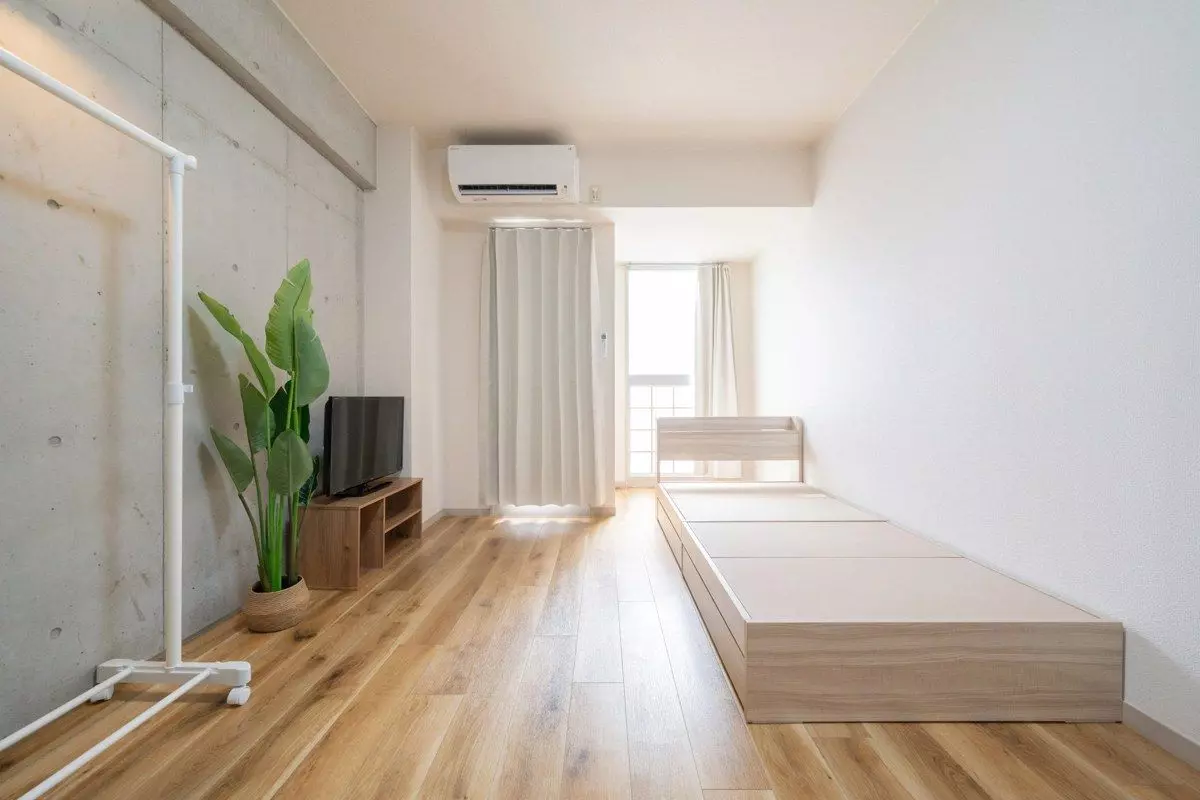
Rent is the largest fixed expense in living costs, so careful consideration is necessary. Generally, it is considered appropriate to pay "less than one-third of your take-home pay," so for someone with a take-home pay of 150,000 yen, the upper limit is around 50,000 yen. If possible, choosing a property in the 40,000 yen range will give you more financial flexibility.
Lower rent means you'll have more money left over for other expenses or savings. Choosing older properties or areas a little further from the station might help you find comfortable housing while keeping costs down.
Model cases for major living expenses such as food, utilities, and communication costs.
Living expenses for someone living alone vary depending on the region and lifestyle, but the following breakdown can be assumed as a model case.
Breakdown items
- Food expenses: Approximately 25,000 yen per month (mostly home cooking)
- Utilities: Around 10,000 yen (water, electricity, gas)
- Communication costs: Approximately 8,000 to 10,000 yen (smartphone and internet)
In addition, you should aim to secure around 30,000 yen per month for daily necessities, medical expenses, and entertainment. By visualizing your spending and reducing waste, it's possible to live a less stressful life even with a net income of 150,000 yen.
Differences in the difficulty of living by city (Tokyo, regional areas, etc.)
Even with the same net income of 150,000 yen, the difficulty of living varies greatly depending on where you live. In urban areas such as Tokyo's 23 wards, rent is high, and it is difficult to find properties for under 50,000 yen, so you need to consider the suburbs or shared housing.
On the other hand, in regional cities and rural areas, there are many properties with rents in the 30,000 to 40,000 yen range, making it easier to keep living expenses down. However, it's important to note that in areas where a car is essential, transportation and maintenance costs will be added. Choosing a living environment that suits your lifestyle and workplace location will greatly affect the comfort of your life.
Search for a room
Only furnished properties with appliances are listed!
Tips for living frugally | How to manage your life without strain
If you're living alone on a net income of 150,000 yen, the key is to find ways to save money without overextending yourself. In particular, it's important to reduce fixed costs. By reviewing expenses that you have to pay every month, such as rent, communication costs, utilities, and food, you can expect to save a significant amount of money.
Furthermore, simply making small adjustments to daily habits such as shopping and eating can lead to savings of tens of thousands of yen per year. The key to long-term success is to enjoy life "without strain or deprivation" by making small adjustments, rather than forcing yourself to endure hardship.

Tips for finding a property that will keep your rent down
Choosing the right property is crucial when it comes to keeping rent down.
Instead of insisting on properties close to the station or newly built, being willing to accept conditions such as "older building," "somewhat far from the station," or "ground floor/north-facing" can significantly lower the rent. Also, be sure to check out UR rentals, public housing, and properties with rent subsidies.
Searching on websites and filtering by criteria such as "maximum rent" or "separate bathroom/toilet not required" can help you find cost-effective properties. Flexible search criteria are the first step to saving money.
Specific measures to reduce fixed costs (e.g., switching to a low-cost SIM card, reviewing electricity and gas plans)
Reviewing fixed expenses can lead to significant and sustainable savings. First, communication costs can be reduced to under 3,000 yen per month by switching to a low-cost SIM card. Next, electricity and gas have become easier to switch providers due to deregulation, and using price comparison websites makes it easier to find the optimal plan.
By simply reviewing and eliminating unnecessary insurance and subscriptions, you can save several thousand yen per month. Reducing these fixed costs consistently will create more financial freedom in your life.
How to reduce food expenses by cooking at home and shopping efficiently
To save money on food, cooking at home is essential. By limiting convenience store and restaurant purchases, and utilizing bulk buying and freezing, it's realistic to manage on between 20,000 and 25,000 yen per month.
Don't overlook the availability of sale items, the use of wholesale supermarkets, and the point rewards offered by cashless payments.
Furthermore, planning your meals on a weekly basis prevents unnecessary purchases, saving both time and money. Cooking at home also has health benefits, making it a smart choice that improves the overall quality of your life.
Can you save money? Savings simulation on a net income of 150,000 yen.
Many people think it's impossible to save money on a net income of 150,000 yen, but with a little ingenuity in your lifestyle, saving money is definitely possible.
For example, by keeping rent under 50,000 yen per month and minimizing living expenses through home cooking and using a budget SIM card, you can save around 10,000 to 20,000 yen per month. Saving approximately 120,000 to 240,000 yen per year is achievable.
The key is to set aside a portion of your spending each month for savings. By getting into the habit of living on an amount that already includes your savings from the start, you can continue saving without difficulty.
Life planning techniques for saving money without strain
To continue saving money, a "realistic financial plan" is essential. First, try to understand your monthly income and expenses and start by taking measures to reduce fixed costs.
By reviewing expenses such as rent, communication costs, and insurance premiums, you can save several thousand yen to over 10,000 yen per month. It's also effective to set your own rules, such as "food expenses are limited to 20,000 yen per month" or "social expenses are limited to 5,000 yen per month," and to thoroughly manage your budget. Using a household budgeting app that visualizes your spending is also recommended.
Creating a system that allows you to save money without stress is the key to success.
Search for a room
Only furnished properties with appliances are listed!
Real-life experiences of living alone on a net income of 150,000 yen | Sharing genuine stories
Hearing from people who are actually living alone on a net income of 150,000 yen is extremely helpful for those who are about to start their own lives.
Here, we introduce real-life experiences of people in their 20s living in both urban and rural areas. From tips on managing living expenses, rent reduction strategies, and saving money, let's find hints for living comfortably based on real-life examples. Even those who are worried, "Can I really do this?", will find reassurance by hearing these real voices.
A case of a 20-something living in Tokyo
- Ms. A, a woman in her 20s, lives alone in one of Tokyo's 23 wards.
He says that living on a net income of 150,000 yen is "frankly just barely enough." His rent is about 55,000 yen for an old studio apartment, and his food expenses are about 25,000 yen a month, as he mainly cooks at home. He has switched to a low-cost SIM card and keeps his communication costs under 10,000 yen. He saves money on weekend entertainment by going to free spots and drinking at home with friends. He can only save 5,000 yen a month, but says, "If you are resourceful, it is not impossible to live on."
In urban areas, keeping fixed costs down seems to be the key.
Cases of people in their 20s living in rural areas
- Ms. B, in her 20s, lives in Fukuoka, a regional city.
"I'm not really struggling financially," they said. Their rent is about 38,000 yen for a place a little distance from the station, and even including utilities and communication costs, it stays under 15,000 yen per month. They don't own a car and get around by bicycle and bus. They save money on food by buying from wholesale supermarkets and buying in bulk, so it's around 20,000 yen per month. They are able to save more than 10,000 yen per month and live a lifestyle that allows them to cope with unexpected expenses.
This is a prime example of the excellent cost-performance ratio that is unique to rural areas.
How can you live comfortably on a net income of 150,000 yen?
Even with a net income of 150,000 yen, it's entirely possible to live comfortably on your own with a little ingenuity. The key is to establish a lifestyle that allows you to be satisfied without spending a lot of money.
By making saving a habit and cherishing hobbies and time for relaxation, you can experience a richness that goes beyond mere monetary gain. It's also important to take steps to increase your income without overextending yourself. Small daily choices and adjustments greatly influence your satisfaction with life. Finding the "just right lifestyle" that suits you is the key to a comfortable life that lasts.
Tips and mindset for daily life
There are three tips for living comfortably without compromising your quality of life, even with a low take-home pay.
- "Reduce fixed costs"
- "Don't carry too much."
- "Revisiting the standards of satisfaction"
By consciously living a simple life and surrounding yourself with only the things, time, and people you truly need, you can create peace of mind. It's also important not to strive for perfection, but to be flexible and "do what you can" and "ask for help when necessary." Even with a small income, a positive mindset is a greater support than saving techniques for living a peaceful and fulfilling life.
Ways to increase your income (side jobs, changing jobs, obtaining qualifications)
To achieve a comfortable lifestyle with a limited income, reviewing expenses and increasing income are crucial options. Even just 10,000 to 20,000 yen a month from a side job can significantly improve your financial situation. There are also an increasing number of side jobs that can be done in your spare time, such as web writing and using flea market apps.
Furthermore, aiming to change jobs by acquiring qualifications or improving your skills in the future is also a valid strategy. Gradually expanding your sources of income will increase your life choices and lead to greater peace of mind.
Search for a room
Only furnished properties with appliances are listed!
summary
Even with a net income of 150,000 yen, living alone is entirely possible if you plan your lifestyle to keep rent and fixed expenses down and practice reasonable saving techniques. While there are differences in living costs between urban and rural areas, choosing a home that suits your lifestyle will greatly affect your comfort.
Furthermore, by incorporating strategies such as cooking at home, using budget-friendly SIM cards, and setting aside money in advance, saving more than 10,000 yen per month is realistic.
Let's aim for a lifestyle that provides "affordable living within our means," while also considering efforts to gradually increase our income.