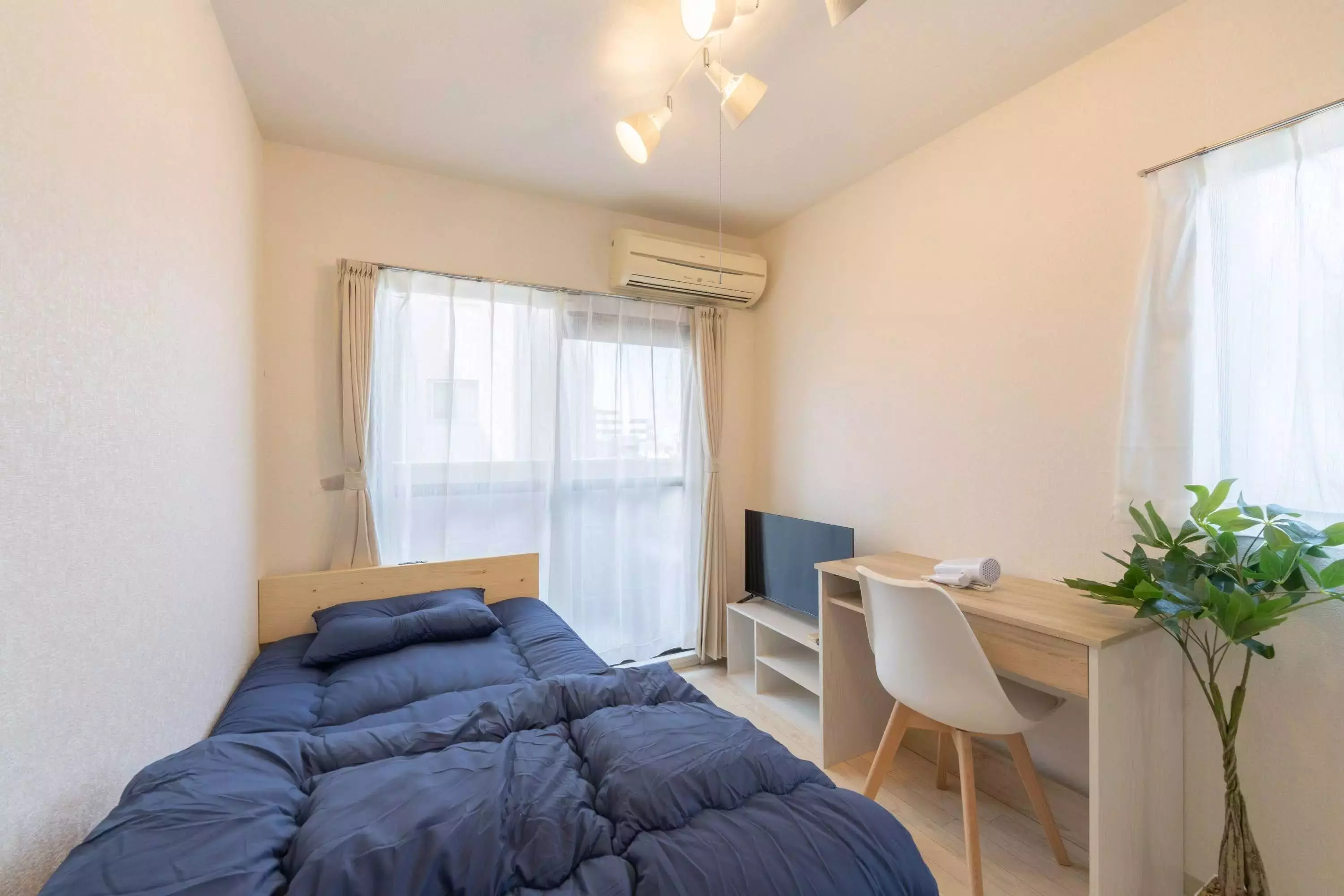
What is it like living alone as a Chuo University student?
Many Chuo University students live alone around the Tama Campus. Areas along the Tama Monorail and Keio Line are particularly popular due to their convenient commute. Rent varies by area, but the average is around 50,000 to 70,000 yen per month. There are many student-friendly properties available, including furnished apartments with no security deposit or key money.
Choosing the right place to live is important for a more comfortable school life.
When and how to start living alone
The most common time for new students at Chuo University to start living alone is between February and March, after the acceptance announcements. This period coincides with the peak moving season, so popular properties tend to be rented out very quickly.
To find an apartment smoothly, it's important to gather information early. Some properties allow reservations even before acceptance, so it's recommended to start looking for an apartment as soon as you've decided on your target school. Follow the steps of viewing the property, signing the contract, preparing for the move, and purchasing daily necessities to prepare for living alone.
The difference between student dormitories and living alone
At Chuo University, students have the option of living in a student dormitory or living independently.
- Student Dormitory
With meals and furniture included, the cost is kept down, making it a reassuring environment for parents. The estimated cost of the dormitory is 50,000 to 60,000 yen per month.
- Living alone
Living alone offers a high degree of freedom and allows you to live according to your own lifestyle, but it requires self-management skills, such as managing household chores and living expenses. The estimated cost of living alone is around 70,000 to 100,000 yen per month.
Finding a living environment that suits you is the first step to a comfortable student life.
Advantages and disadvantages of living alone
Living alone at Chuo University has both advantages and disadvantages. The advantages include the freedom to use your time and space as you please. You can live at your own pace and even invite friends over. Another major benefit is the opportunity to develop life skills through household chores and financial management.
On the other hand, the disadvantages include the burden of living expenses, loneliness, and anxiety when feeling unwell. Especially for those living alone for the first time, managing finances and being aware of security are also important.
Carefully consider both the advantages and disadvantages of living alone before making a decision.
Recommended areas for single people living near Chuo University
For students starting to live alone at Chuo University (Tama Campus), choosing an area is a crucial factor that directly impacts the ease of commuting and the comfort of daily life.
The "Chuo University/Meisei University Station" and "Otsuka/Teikyo University Station" along the Tama Monorail line are very popular as they are within walking distance of the campuses. If you prioritize convenience and shopping, "Tama Center Station" and "Takahatafudo Station" are also good options.
Each area has differences in rent prices, safety, and the number of supermarkets and restaurants, so it's important to choose a place that suits your lifestyle.
Chuo University/Meisei University Station (along the Tama Monorail line)
Chuo University/Meisei University Station boasts an excellent location, just a few minutes' walk from the campus. It's the perfect area for those who want to minimize their commute time.
The surrounding area has many studio and 1K apartments suitable for students, with rents mainly ranging from 50,000 to 60,000 yen. There are also convenience stores and restaurants scattered around, so basic living infrastructure is available. The area around the station has a calm atmosphere and is safe, making it a safe choice even for those living alone for the first time.
Since good properties tend to get snapped up quickly, it's recommended to start checking before the spring moving season.
Living environment around Otsuka-Teikyo University Station
Otsuka-Teikyo University Station is just one stop away from Chuo University, making it a popular area for students who want to commute on foot or by bicycle.
The average rent near the station is around 55,000 to 65,000 yen, and there are slightly more properties available than around Chuo University/Meisei University Station, giving you a wider range of choices. There are convenience stores, drugstores, and chain restaurants nearby, making it convenient for daily life. There are plenty of properties suitable for students, and many apartments and condominiums are built with security in mind, making it a popular area with parents as well.
Located in a quiet residential area, this property is recommended for those seeking a peaceful lifestyle.
Tama Center Station and Takahatafudo Station are also options.
Tama Center Station and Takahatafudo Station remain popular because, although commuting to the university requires taking the train, they offer a well-developed living environment.
Tama Center boasts large shopping malls, movie theaters, and numerous restaurants, making it extremely convenient. Rent is on the higher side, typically ranging from 60,000 to 70,000 yen.
On the other hand, Takahatafudo Station is also served by the Keio Line, offering good access to the city center, and bus commuting is also possible. The area boasts numerous supermarkets and shopping streets, allowing you to enjoy convenience while keeping living expenses down. Both locations are recommended for those seeking both a convenient commute and comfortable living.
Search for a room
Only furnished properties with appliances are listed!
Rent prices and how to choose a property for Chuo University students
Many students attending Chuo University live alone in the area around the Tama Campus.
When choosing a property, it's important to understand the average rent and prioritize the conditions that suit you best. Rent varies depending on the area, the age of the building, and the distance from the station, but in areas popular with students, the average rent is around 50,000 to 65,000 yen. If you prioritize affordability, areas a little further away are also an option, but if you prioritize convenience for commuting and safety, then areas around campus are recommended even if the rent is a bit higher.
Considering things in a balanced way is the first step to a comfortable student life.

What is the average rent? A breakdown by area.
The area around Chuo University/Meisei University Station is the closest to the campus, with average monthly rents ranging from 55,000 to 65,000 yen. Because it's within walking distance of the campus, it's very popular, and properties are snapped up quickly.
Around Otsuka-Teikyo University Station, just one station away, the going rate is in the 50,000 to 60,000 yen range, with plenty of properties available. Tama Center Station is a bit more expensive, around 60,000 to 70,000 yen, due to its convenience, but it's popular with women because of its good shopping environment and safety.
Since rent and living conditions vary greatly depending on the area, it's best to start your property search early to find a place that matches your desired conditions and budget.
Security, commuting time, and surrounding facilities checkpoints
When choosing a property, there are three important things to check: security, commuting time, and the surrounding environment.
- Security: Check for features like automatic locks and security cameras, and whether the apartment is on the second floor or higher. Security is especially important for women living alone.
- Commuting time: It's important to research commuting routes in advance, including walking, cycling, bus, and train options, to ensure the distance is manageable.
- Surrounding environment: Be sure to check if essential facilities such as supermarkets, convenience stores, and hospitals are nearby.
Costs of living alone and estimated allowances
To start living alone near Chuo University, a financial plan that takes into account initial move-in costs, monthly living expenses, and whether or not you receive financial support from your parents is essential. Initial costs are roughly equivalent to 4 to 5 months' rent, and monthly living expenses are typically around 100,000 to 130,000 yen.
Many students manage their finances by combining allowances from their families and part-time jobs. Managing household expenses within reasonable limits is key to a stable student life.
What are the initial costs involved when moving in?
When starting to live alone, you will need to pay initial costs associated with the rental agreement, such as a security deposit, key money, brokerage fees, advance rent, and fire insurance. Around Chuo University, the average initial cost for a property with a monthly rent of 50,000 to 60,000 yen is around 200,000 to 300,000 yen.
Furthermore, if you add in moving expenses and the cost of purchasing furniture and appliances, the total can reach around 400,000 to 600,000 yen. If you want to keep costs down, it is recommended to look for properties with no security deposit or key money, or properties that come furnished.
Breakdown and average of monthly living expenses
For someone living alone near Chuo University, the average monthly living expenses are around 100,000 to 130,000 yen.
Main breakdown
- Rent: 50,000 to 60,000 yen
- Food expenses: 20,000 to 30,000 yen
- Utilities and communication costs: Approximately 15,000 yen
- Miscellaneous expenses and entertainment expenses: Approximately 10,000 to 20,000 yen
Utility costs, in particular, fluctuate seasonally, so it's important to set a budget with some leeway. Cooking at home and incorporating money-saving techniques can reduce your monthly expenses.
What is the average amount of money sent home from school? Is it possible to balance school with a part-time job?
The average monthly allowance for Chuo University students is said to be around 60,000 to 80,000 yen, but in recent years, due to rising prices, some families are receiving nearly 100,000 yen.
If the allowance from their parents isn't enough, many students supplement their income with part-time jobs, earning between 30,000 and 50,000 yen per month, and it's entirely possible to balance work and studies. However, it's important to be careful not to take on too many shifts. It's crucial to secure a source of income within reasonable limits, taking into account commuting time and class schedules.
Search for a room
Only furnished properties with appliances are listed!
How to find apartments for single people and recommended websites
If you're planning to start living alone near Chuo University, it's essential to use reliable websites and referral programs to find accommodation. There are plenty of options, including referrals through consumer cooperatives, searches on portal sites, and pre-acceptance reservations.
The key is to carefully compare and consider the area, rent, facilities, and commute time. Depending on the time of year, a shared house might also be a good option. In this chapter, let's look at each of these in detail.
Chuo University Co-op Referral Program
Chuo University Co-op offers a "Student Apartment Introduction Program" for new students. Since the program introduces highly reliable properties in partnership with the university, it provides peace of mind even for those living alone for the first time.
The accommodations are designed with factors such as distance from the school and commuting time in mind, creating a suitable living environment for university life. Property information is often released around the time of the acceptance announcements, so those interested should check early.
Tips for searching on SUUMO, HOME'S, etc.
Using portal sites like " SUUMO " and " HOME'S, " you can easily compare properties around Chuo University. The key is to set detailed search criteria such as "maximum rent," "commute time," "age of the building," and "security features." Don't forget to check for student-specific listings and properties with free rent periods. If you're interested in a property, inquire about it early, and comparing multiple properties simultaneously will increase your chances of finding your ideal room.
What properties allow reservations before passing the exam?
"Pre-acceptance reservation" refers to a system that allows students to tentatively reserve a room before the university's acceptance announcements.
This system is popular among Chuo University applicants, as it allows them to secure accommodation immediately after acceptance. Especially during the spring moving season, when properties fill up quickly, this system makes it easier to secure a room that meets their desired conditions. The fact that cancellation fees are often free or low is also an attractive feature, making it a low-risk option.
The option of living in a shared house
Around Chuo University, furnished shared housing properties with utilities included are also popular.
For those who want to keep initial costs down, or for students who are anxious about living alone, a share house is an option that offers both reduced burden and opportunities for socializing. Many share houses do not require a security deposit or key money, and they are also suitable for short-term stays. Many properties offer private rooms, making them ideal for those who want to maintain privacy while keeping costs down.
If you're considering living alone in Tokyo for the first time and share housing is one of your options, be sure to check out the share housing properties offered by " Cross House ".
A special feature on student apartments popular with Chuo University students.
For students attending Chuo University, student apartments with excellent safety features and facilities are popular. Many properties offer amenities such as furnished apartments, on-site managers, and meal services, making them ideal for those living alone for the first time.
In particular, the areas around Chuo University/Meisei University Station and Otsuka/Teikyo University Station have a wide selection of student-only properties that are convenient for commuting. This chapter will explain what kinds of properties are available.
Furnished with appliances and a resident manager - a safe and secure property.
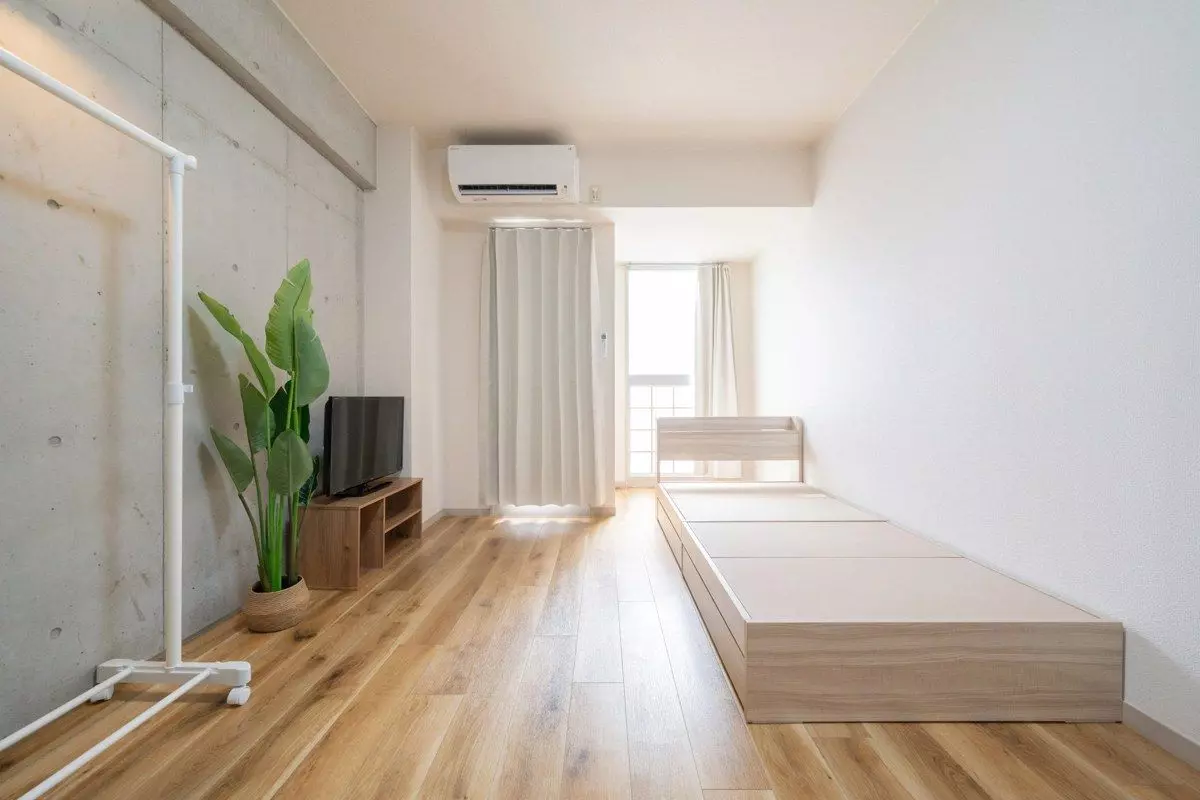
Among the properties chosen by Chuo University students, student apartments that come furnished with furniture and appliances are particularly popular. Since they include beds, refrigerators, washing machines, microwaves, etc., moving preparations are minimized, and initial costs are kept down. Furthermore, properties with resident managers offer peace of mind in terms of security. This is a particularly reassuring option for students living alone for the first time.
The option of student dormitories with meals included.
Student dormitories with meals included are a very convenient option for Chuo University students leading busy university lives. Since breakfast and dinner are provided, the burden of cooking is reduced, and it becomes easier to maintain a regular daily routine. Many menus are nutritionally balanced, making them a good choice for those who want to lead a healthy lifestyle.
Furthermore, since many other students live there, it provides an opportunity to make friends and socialize, creating a living environment where you can get off to a fun start to your student life.
Some properties offer no security deposit or key money, and free rent.
For Chuo University students who want to keep initial living expenses down, student apartments with no security deposit or key money, or those offering free rent, are popular. By eliminating the need for a security deposit and key money, they can cut expenses that would normally amount to tens of thousands to over a hundred thousand yen, significantly reducing their financial burden.
Furthermore, "free rent properties," where rent is free for a certain period, make it easier to secure financial flexibility immediately after moving. This is a point that cost-conscious students shouldn't overlook.
Search for a room
Only furnished properties with appliances are listed!
summary
When living alone near Chuo University, gathering information beforehand about rent prices, living expenses, and how to choose a property is key to success.
Areas around Chuo University/Meisei University Station and Otsuka/Teikyo University Station along the Tama Monorail line are particularly popular, with rents typically ranging from 50,000 to 65,000 yen per month. Initial costs are around 400,000 to 600,000 yen, and living expenses are around 100,000 to 130,000 yen per month.
By utilizing introductions from consumer cooperatives and pre-acceptance reservations, you can more easily find your desired accommodation. From a variety of options such as student apartments, dormitory rooms with meals included, and share houses, find the perfect place to live and start your new life with peace of mind.