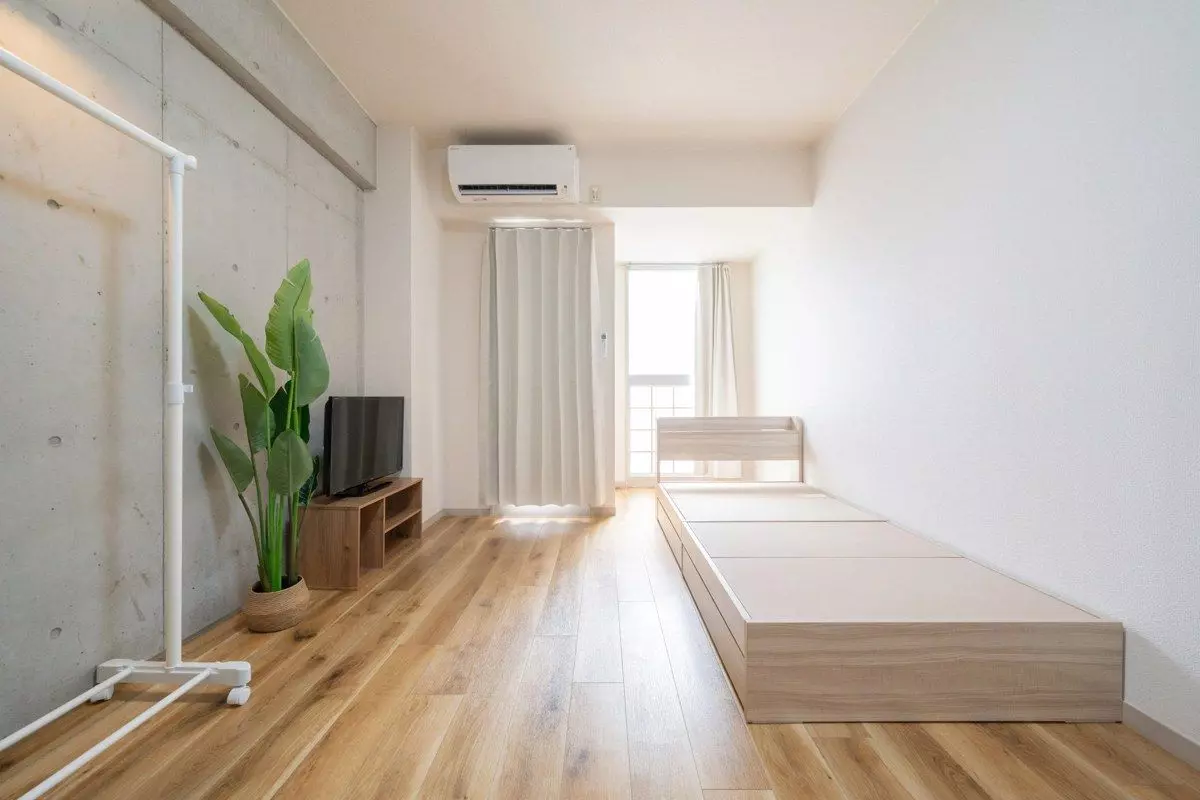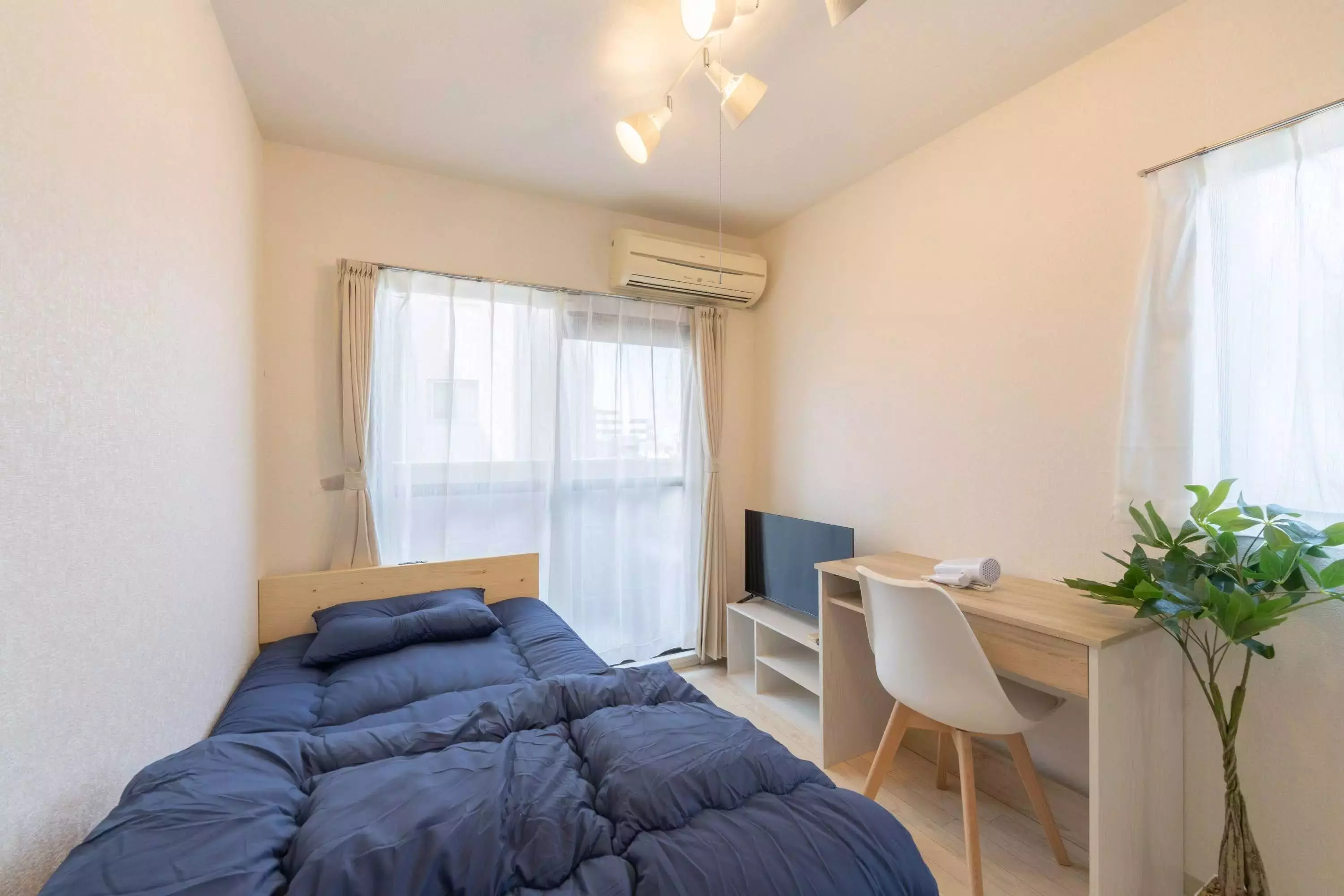
What is a weekly apartment?
A weekly apartment is a short-term rental property that can be rented on a weekly basis and comes furnished with furniture and appliances.
Unlike typical rental properties, there are no security deposits, key money, or complicated contract procedures; the ease of moving in with just a suitcase is a major attraction. Recently, due to its convenience and cost-effectiveness, it has been gaining attention as a new option for short-term stays.
Features of a weekly apartment
Weekly apartments are characterized by being furnished with furniture, appliances, and daily necessities, allowing you to move in with just a suitcase. Many properties do not require a security deposit or key money, making them popular with short-term stays such as business trips or temporary housing. Electricity, gas, and water charges are often included in the rent, and the clear pricing structure is another attractive feature.
Differences from typical rentals or hotels
Weekly apartments have the advantage of being easier to contract and having lower initial costs compared to regular rentals. Compared to hotels, they offer amenities like kitchens and washing machines, allowing you to live more like you're at home, making them comfortable even for long-term stays.
Furthermore, the rates are often cheaper per night than hotels, making them a popular choice for business travelers and those looking to save on accommodation costs. The balance between the quality of amenities and cost-effectiveness is a major draw.
Differences from monthly apartments
The biggest difference between weekly apartments and monthly apartments is the flexibility of the contract period. Weekly apartments can be rented on a weekly basis, while monthly apartments typically require a minimum contract of one month.
Furthermore, weekly apartments operate under the Hotel Business Act and are subject to consumption tax, which is another difference. Weekly apartments are recommended for short-term stays, while monthly apartments are recommended for medium-term stays of one month or more.
Weekly apartment rates and fee structure
When considering a weekly apartment, the most pressing question is likely, "How much will it cost?" Unlike typical rentals or hotels, weekly apartments have their own unique pricing structures, and the breakdown of costs varies depending on the property.
This article provides a detailed explanation of the average cost of weekly apartment rentals, whether initial fees are required, and how the costs compare to hotels. Use this information to understand the total cost of short-term stays and choose the property that best suits your needs.
Typical usage fees and their breakdown
Weekly apartment rental fees vary depending on the area and the grade of the property, but the average is between 30,000 and 70,000 yen per week.
The fees often include not only rent but also utilities, management fees, and cleaning fees, allowing you to start living there without any additional contract procedures. Since furniture and appliances are provided, there are no moving expenses. The clear cost structure makes budgeting easy, which is a major advantage.
Are there any initial or additional costs?
Weekly apartments are characterized by significantly lower initial costs compared to regular rentals. Many properties do not require a security deposit, key money, or brokerage fees, and in some cases, you can move in by paying only one week's rent when making a reservation.
However, depending on the contract, additional fees such as cleaning fees, security deposits, and key replacement fees may be required, so it is important to check the conditions with the real estate company in advance.
Is it really cheaper than a hotel? Let's compare the costs and find out.
Weekly apartments are generally cheaper than staying in a hotel for the same period of time.
For example, a business hotel costs around 7,000 to 10,000 yen per night, while a weekly apartment costs around 4,000 to 7,000 yen per night. Furthermore, you can cook your own meals, saving on dining out expenses. The longer your stay, the more cost-effective it becomes.
Search for a room
Only furnished properties with appliances are listed!
Advantages of weekly apartments
Weekly apartments are a type of rental specifically designed for short-term stays, and are chosen for a wide range of purposes, from business trips to temporary housing and travel. This chapter will clearly explain the main advantages of weekly apartments.
Comes furnished with furniture and appliances, ready to move in immediately.
One of the biggest advantages of weekly apartments is that they come furnished with furniture, appliances, and other essential amenities. Since they include a bed, refrigerator, washing machine, microwave, and television, you save the hassle of moving or buying everything yourself. The convenience of being able to start living there immediately makes them perfect for business trips, sudden moves, or temporary housing.
No high initial costs required
In typical rental properties, it's not uncommon for initial costs, such as security deposits, key money, and brokerage fees, to amount to several hundred thousand yen.
However, many weekly apartments do not require these fees and can be rented for as little as tens of thousands of yen. A major advantage is that you can start easily and affordably even when you need to move in immediately for a sudden business trip or short stay.
Flexible arrangements for short-term stays.
Weekly apartments can be rented on a weekly basis, so they flexibly meet the needs of those who "don't need it for a whole month" or "only need it for a few days." Unlike rental apartments, there are no long-term contract obligations, and unlike hotels, the daily rates are not inflated.
This is a very convenient accommodation option for those with uncertain plans or short stays.
The pricing is easy to understand as it includes utilities.
Weekly apartment rentals often include utilities (water, electricity, gas) and internet access in addition to rent, making the total cost clear. Since you don't need to pay monthly utility bills separately, budgeting is easier, and there's no worry about unexpected additional charges.
This provides significant peace of mind, especially for those who prioritize expense management, such as those on business trips or in temporary housing.
Disadvantages and points to note about weekly apartments
While weekly apartments offer many advantages, there are also disadvantages and points to be aware of before using them. Limited information available before signing a contract, restrictions on extending stays or early termination, and potentially high utility costs can lead to disappointment after use. To ensure a comfortable stay, it's crucial to understand the drawbacks before choosing a property.
Here, we will explain in detail the points to keep in mind when using a weekly apartment.
Unable to view the property / Room quality varies
In most cases, it's not possible to view the apartment before signing a contract for a weekly apartment. Therefore, you have to rely solely on photos and reviews, and you might find yourself thinking, "It's smaller than I expected," or "The facilities are outdated," once you actually move in. Also, even within the same building, the facilities and cleanliness can vary from room to room, so it's crucial to gather information thoroughly from the real estate company beforehand.
In some cases, extending your stay or canceling your contract early may be difficult.
Due to the nature of short-term contracts, weekly apartments often have fixed contract periods, and it may not be possible to terminate the contract early or extend your stay as desired.
Especially in popular areas, you might be refused an extension because the next booking is already made. Also, some contracts do not offer refunds even if you cancel early, so if your plans might change, it's best to choose a property that offers flexibility.
Water and electricity bills can also be high.
While weekly apartments often include water, gas, and electricity in the rent, the cost can sometimes be higher as a result. This can be especially true for those living alone and trying to save money, who might find it cheaper to contract for these utilities themselves. If you prioritize convenience for short-term stays, this isn't a problem, but if cost is your main concern, be sure to check this point.
Search for a room
Only furnished properties with appliances are listed!
How to contract and use a weekly apartment
Weekly apartments are appealing because the application process is simpler and you can move in more quickly compared to regular rental properties. However, since contract details and screening criteria vary depending on the property, it's important to understand the process beforehand.
This chapter provides a detailed explanation of the steps involved from application to move-in, including required documents, whether a screening process is necessary, and whether same-day move-in is possible.

Steps from application to move-in
Weekly apartment rentals can be easily applied for online or by phone. Simply choose your desired property, confirm availability, and submit your application documents. After making the payment, the contract is complete, and you can move in after receiving the keys. Typically, move-in is possible within a few days to a week, making it an attractive option for temporary housing or sudden business trips.
Is there an application process? What documents are required?
Unlike typical rentals, weekly apartments often don't have strict tenant screening processes, but you will generally need to show identification. In some cases, you may also be asked to provide proof of employment or emergency contact information.
Because the screening process is simple, it's easier to get immediate assistance, which is a big advantage for people who want to secure housing in a short period of time.
Is immediate move-in possible?
Weekly apartments are very convenient for sudden job transfers or when you need temporary housing, as many properties allow for immediate occupancy.
However, depending on the availability of the property and the speed of the contract process, you may not be able to move in until the next day or later, so it's best to inquire as early as possible. Confirming the key handover method and move-in time in advance will also help you start your new life smoothly.
Frequently Asked Questions (Q&A)
For those using a weekly apartment for the first time, anxieties such as "Can I really rent one?" and "Is it safe for a woman living alone?" are common. Here, we clearly explain frequently asked questions and their answers. Resolve your doubts before signing a contract and choose a property with peace of mind.
Can I borrow money even if I'm unemployed?
It is possible to rent a weekly apartment even if you are unemployed. However, depending on the property, you may be required to submit an "emergency contact" or a "guarantor."
Because the screening process is relatively lenient and employment information is often not required, these accommodations are frequently used for short-term stays or as temporary housing while job hunting. If you have any concerns, be sure to check with the operating company in advance.
Is it safe for a woman to live there alone?
There are many weekly apartments available that are safe for women living alone. Some have automatic locks, on-site managers, and excellent security features, and some even offer women-only apartments. It's important to check reviews and reputations to choose a safe property. Checking the surrounding environment beforehand will also give you peace of mind.
Are there any pet-friendly properties?
Some weekly apartments allow pets. However, the number is limited, and even those that do allow pets may have restrictions on the type and size of dogs and cats. Pet-friendly properties are in high demand, so early booking is recommended. If you are looking for a short-term stay with your pet, you can easily find suitable properties by filtering your search with "pet-friendly" and "weekly apartment."
Can I pay by credit card?
More and more weekly apartments are now accepting credit card payments. These are particularly popular for corporate use and for making expense reimbursement easier during business trips.
However, not all properties accept card payments, so be sure to check in advance whether they do. This information is often listed on the official website or booking page.
Search for a room
Only furnished properties with appliances are listed!
summary
Weekly apartments are a convenient rental style specifically designed for short-term stays, and are used in a wide range of situations such as business trips, temporary housing, and travel. Their major advantages include being furnished with furniture and appliances, having simple procedures, and keeping initial costs low. Because they offer a comfortable stay at a lower cost than hotels, they are ideal for those who prioritize cost-effectiveness.
Understanding the differences between monthly apartments and regular rentals, and choosing a property that suits your needs, will help you have a comfortable short-term stay. If you're interested, please refer to the contract procedures and FAQs to make smooth use of weekly apartments.