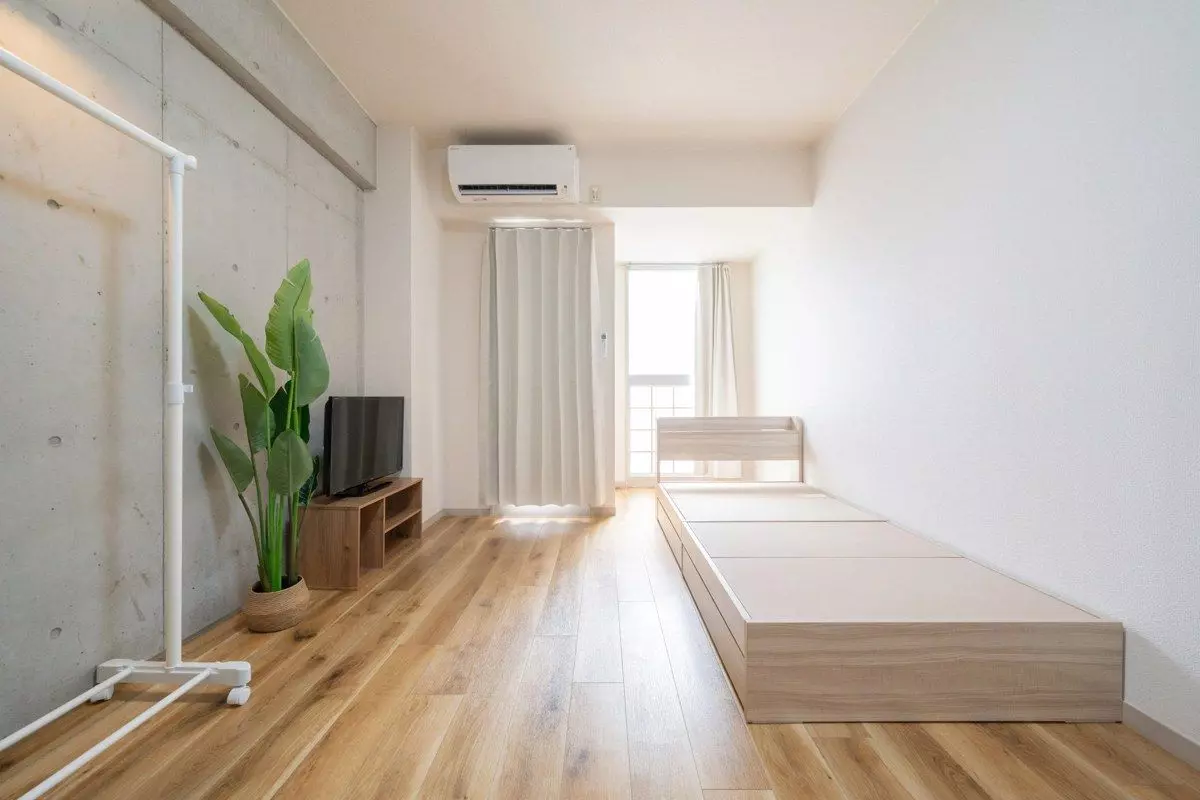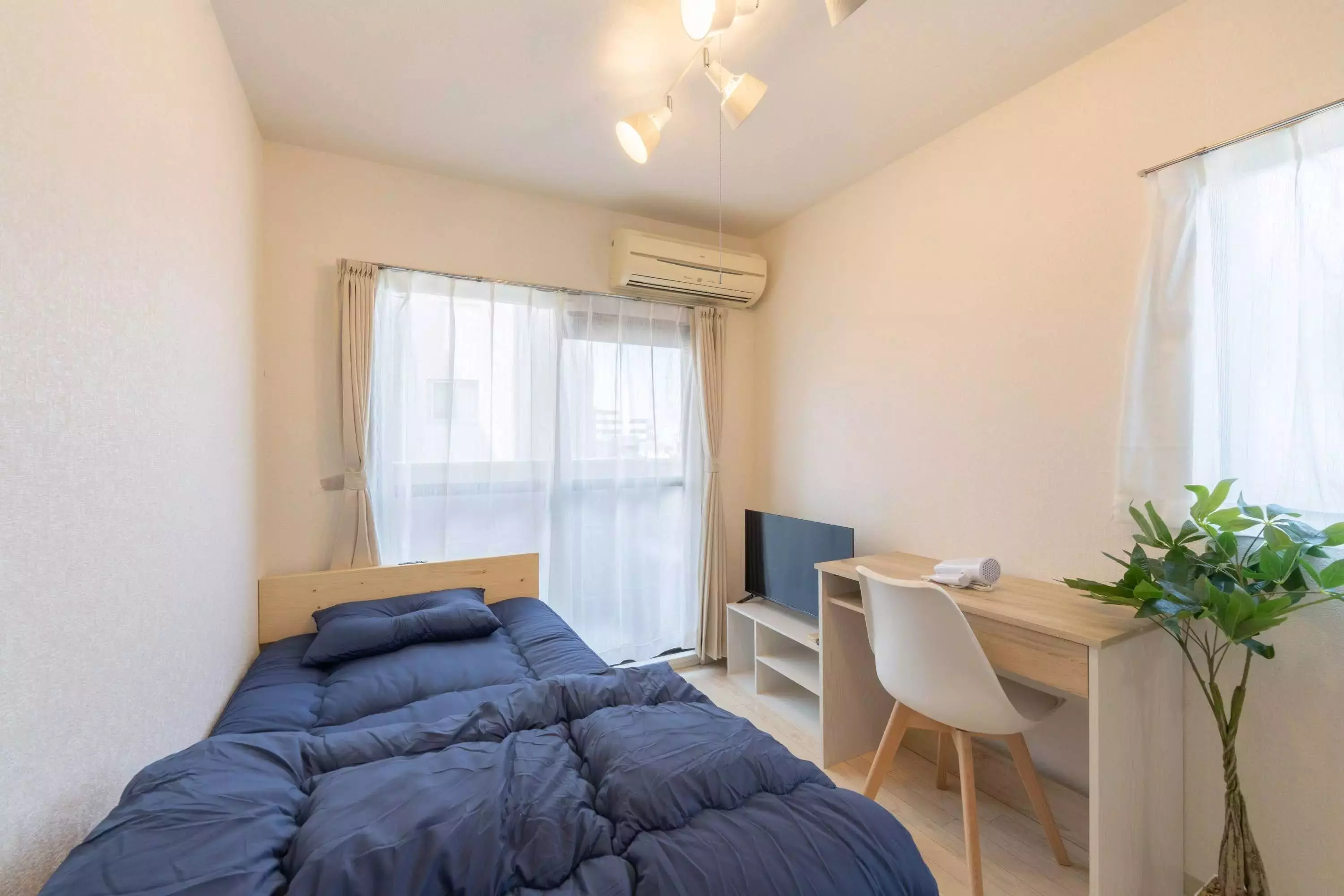
What is a weekly apartment?
A weekly apartment is a furnished rental property that can be rented for short periods, starting from one week. It often includes utilities and internet access, and the process is relatively simple. Many properties don't require a security deposit or key money, making them very convenient for sudden business trips or moves.
One of its attractions is that it feels more like home than a business hotel, allowing you to relax as if you were at home. It's the perfect option for those who want to enjoy a comfortable short-term stay.
Basic Mechanism of Weekly Apartments
Unlike regular rental agreements, weekly apartments employ a simplified contract structure designed for short-term stays. In most cases, contracts are available for periods ranging from one week to one month, and extensions are easy. Since they come furnished with furniture and appliances, you can start living there immediately from your first day. Rent often includes utilities and internet, which is a significant advantage as it helps minimize additional expenses.
Differences from hotels and monthly apartments
Weekly apartments are more affordable than hotels and offer the convenience of self-catering and laundry facilities, making them economical for long-term stays. They are similar to monthly apartments, but differ in terms of contract flexibility and lower initial costs. While hotels offer excellent services, they often lack privacy and a sense of everyday life.
On the other hand, weekly apartments offer the comfort of being at home and strike an excellent balance between cost and convenience.
Who is this suitable for?
Weekly apartments are particularly popular with business people who need to stay for about a week for business trips or training. They are also used as temporary housing for exams, job hunting, home renovations, or before/after moving. Even for travelers, they are perfect for those who want to cook their own meals or seek a quiet living space during their stay. Because they can be used flexibly to suit various lifestyles, they are attracting attention as a living option that is "cheaper than a hotel and more convenient than a regular rental."
If your company wants to review the accommodation costs for employee business trips and training, you can compare the costs of hotels, monthly rentals, and furnished apartments on our corporate website to find ways to reduce business trip and training accommodation expenses .
Average weekly rates for a weekly apartment
The cost of renting a weekly apartment for one week varies depending on the location and amenities of the property, but the national average is around 20,000 to 70,000 yen.
Many of these accommodations include utilities and internet access, making them attractive due to the low additional costs. They often come furnished with appliances, resulting in minimal initial expenses, making them a very cost-effective option for short-term stays. Some properties even offer discounts for extended stays, so with careful searching, you can find even better deals.
Nationwide average cost
Nationwide, the typical weekly rent for a weekly apartment is generally in the range of 20,000 to 50,000 yen. Properties with simpler amenities or those located in suburban areas can sometimes be found for as low as 20,000 yen, making them a good option for those looking to save money.
On the other hand, rents can exceed 50,000 yen for properties near train stations, newly built properties, or those with larger floor plans. Prices fluctuate depending on the area and time of year, so early booking and comparing listings on multiple websites are key.
City-specific prices (Tokyo, Osaka, Fukuoka, Okinawa)
The average price of a weekly apartment varies greatly from city to city.
- Tokyo: The average cost is between 40,000 and 70,000 yen per week, but it tends to be higher in the city center and around major train stations.
- Osaka: The going rate is around 30,000 to 60,000 yen, and it's relatively easy to find accommodation even in the city center.
- Fukuoka: With prices ranging from around 25,000 to 50,000 yen, its attractive cost-performance ratio makes it a popular choice, especially in the Hakata and Tenjin areas.
- Okinawa: The average rent is between 30,000 and 60,000 yen, with resort-style and coastal properties tending to be slightly more expensive. It's best to choose based on your travel or business trip purpose.
Search for a room
Only furnished properties with appliances are listed!
Breakdown of weekly apartment costs
The cost of a weekly apartment includes not only rent, but also various other items such as management fees, cleaning fees, and utilities. Some properties offer a "package price" that includes all of these, but there may be additional charges, so it is important to check in advance. In particular, those staying for a long period or those who want to keep costs down should be sure to understand the breakdown of costs to avoid unnecessary expenses.
In this chapter, we will take a closer look at the main expense items.
Rent (daily/weekly)
Weekly apartment rents are generally set on a weekly basis, with the going rate being around 20,000 to 70,000 yen per week.
Many properties offer daily rates, and they are flexible enough to accommodate odd-numbered stays, such as 5 nights and 6 days. Rent often includes furniture, appliances, and utilities, making them a popular and cost-effective option for short-term stays.
However, prices may increase during peak seasons or for high-end properties, so early booking is recommended.
Management fees and common area fees
Weekly apartments may incur "management fees" or "common area fees" to cover cleaning, maintenance, and facility management. These fees are typically around 1,000 to 3,000 yen per week and are usually billed separately from the rent. As these fees cover cleaning of common areas, waste disposal, and security maintenance, they cannot always be reduced.
However, some properties offer an "all-inclusive rate" that includes management fees, so be sure to check before signing a contract.
Cleaning fee and administrative fee
When you first sign a contract, you may be charged a "cleaning fee" and an "administrative fee." The cleaning fee is typically around 5,000 to 10,000 yen per visit and is for cleaning the room before you move out. You may also be required to pay an administrative fee of around 2,000 to 5,000 yen. These are one-time payments and are incurred regardless of the length of your stay. While this may feel like a burden for short-term stays, you can save money by choosing a property with an all-inclusive price. It is important to check the details before signing the contract.
Utilities and internet charges
Many weekly apartments include utilities such as water, electricity, and gas, as well as internet fees such as Wi-Fi, in the rent.
However, be aware that some properties may charge additional fees based on usage. Check whether Wi-Fi is free, and also check the speed and connection quality. If you want to clearly define costs, an all-inclusive "flat-rate plan" is recommended. Be careful not to overuse data or electricity.
Rental fees for furniture, home appliances, bedding, etc.
Weekly apartments generally come furnished with appliances such as a TV, refrigerator, microwave, and washing machine, and these can be used at no extra charge.
However, some amenities such as bedding and cooking utensils are optional and may incur a weekly rental fee (e.g., bedding set from 2,000 yen/week). Checking in advance what amenities you need and whether they are included in the price can help prevent unexpected expenses.
Which is more economical for just one week: a hotel or accommodation?
Many people wonder whether to choose a weekly apartment or a hotel for a short stay. In short, the best option depends on your purpose of stay and what you prioritize. Hotels offer convenience and a focus on service, while weekly apartments are attractive for their ease of living and cost-effectiveness.
In this chapter, we will compare the two options in terms of facilities, services, and costs to see which is more advantageous for a limited period of one week.

Comparison of facilities and services
Hotels offer excellent services such as bed making, replenishment of amenities, and front desk service, making for a comfortable stay. However, they tend to have limitations on basic living activities like cooking and laundry.
On the other hand, weekly apartments are equipped with living facilities such as kitchens, washing machines, and refrigerators, making them suitable for long-term stays. They offer a high degree of freedom and allow you to experience living there. For those who want to maintain a normal daily routine during their stay, weekly apartments are definitely recommended.
Cost Comparison: Business Hotels vs. Weekly Apartments
Let's compare them in terms of cost.
- Business hotels: The average price per night is around 5,000 to 10,000 yen. When calculated over a week, this comes to 35,000 to 70,000 yen, which can be expensive depending on the location and time of year.
- Weekly apartments typically cost around 20,000 to 50,000 yen per week, and many offer a fixed-rate plan that includes utilities and Wi-Fi, making them generally cost-effective. A major advantage is that you can easily keep overall costs down by handling your own meals and laundry.
Recommended for different occasions such as travel, business trips, and temporary visits home.
- Travel: If your trip is primarily sightseeing and involves a lot of outings, a hotel offers greater convenience and smoother check-in and check-out.
- Business Trips: For business trips involving stays of a week or more, or those involving frequent work, a weekly apartment with complete living facilities is comfortable and economical.
- For temporary visits home or before/after moving: If you need a quiet living space, a weekly apartment is definitely the best option.
Choosing accommodation based on your preferred style of stay—whether you prioritize service or lifestyle—will help you avoid disappointment.
Search for a room
Only furnished properties with appliances are listed!
Tips for renting a weekly apartment for just one week at a discount
Even for short-term stays of just one week, you can significantly reduce costs depending on how you search. Weekly apartments, in particular, have varying pricing structures and services from property to property, so a little ingenuity can lead to a more affordable rental. Being resourceful when searching for a property can make a big difference in your expenses.
Here, we will introduce specific techniques for reducing costs.
Take advantage of campaign properties
Some operating companies may be running limited-time campaigns.
For example, there are plenty of opportunities to rent at a lower price than usual, such as "first-time user discounts," "long-stay welcome plans," and "off-season rates." These special offers are often compiled on official websites and dedicated booking sites, and if the conditions are right, you can get a really good deal. The off-season is especially a good time to look, so be sure to time it wisely.
Aim for last-minute bookings and room availability discounts.
Weekly apartments with vacancies until the last minute sometimes offer sudden price reductions. Because the management wants to avoid vacancy periods, it's not uncommon for them to offer special prices for last-minute bookings. If you have a sudden travel or business trip planned, it's worth checking last-minute options.
Furthermore, using websites that allow you to narrow down your search using keywords such as "vacancy discount" or "last-minute discount" will make it even easier to find what you're looking for.
Use a site with no intermediary fees.
While you can book weekly apartments through property listing websites or real estate agents, it's generally more cost-effective to use websites that offer "no brokerage fees."
Brokerage fees can range from several thousand yen to around 10,000 yen per contract, which can be a significant burden for short-term use. Using an official booking site directly managed by the operating company or a dedicated portal that doesn't require an intermediary can cut down on these extra costs. When comparing options, be sure to check whether or not there are any fees.
The process and points to note when signing a weekly apartment contract
While weekly apartments offer a simpler and faster contract process compared to regular rentals, there are still a few things you should check beforehand. First-time users, in particular, tend to be anxious about questions like, "When should I sign the contract?" and "What documents are required?"
This guide provides a clear explanation of everything you need to know to avoid problems, even for a short-term stay of just one week, from pre-contract checkpoints to check-in and check-out procedures.
Things to check before signing a contract
Before signing a contract, be sure to check the following items.
- "What is included in the price?"
- "Cancellation Policy"
- "Details of equipment and facilities"
It's easy to overlook things like utilities (water, electricity, gas), Wi-Fi availability, and extra charges for bedding and cooking utensils. Check-in and check-out procedures, as well as support services (24-hour availability), are also important comparison points. Neglecting these details, even for short-term stays, can lead to unexpected expenses and inconveniences, so be sure to check everything carefully before signing a contract.
Check-in to Check-out Process
- check-in
The method of receiving the keys varies. In most cases, it involves using a key box at the property or receiving them by mail from the management company. It's important to check your email or My Page beforehand, as you'll receive a password and detailed instructions.
- Checkout
In most cases, all you need to do is leave by the designated time and return the key. There is generally no front desk service like in a hotel, so be sure to read the instructions beforehand to ensure a smooth check-in and check-out process.
Points to prevent problems
To prevent problems, it's essential to carefully read the contract documents and terms of use. After moving in, immediately check the condition of the room and take photos of any defects to report them to the management company. Pay attention to points that can easily lead to trouble with neighbors, such as noise, garbage disposal, and smoking rules.
Additionally, saving emergency contact information and support details on your smartphone or other device will allow you to respond immediately in case of an emergency. Preparation is key to avoiding trouble.
Search for a room
Only furnished properties with appliances are listed!
Frequently Asked Questions (Q&A)
For those using a weekly apartment for the first time, there are often anxieties and questions about the contract process, fee structure, and necessary procedures.
Many people have basic questions, especially "Is a guarantor required?", "Cancellation possible?", and "What are the payment methods?". Here, we clearly explain frequently asked questions and their answers for those considering short-term stays of just one week. Checking these beforehand will allow you to sign a contract and stay with peace of mind.
Is a guarantor or credit check required?
When renting a weekly apartment for just one week, most properties do not require a guarantor or a full tenant screening process. Generally, you can sign a contract simply by submitting identification documents (such as a driver's license, My Number card, or passport), and the entire process can usually be completed online.
However, for luxury properties or long-term rental plans, you may be required to undergo a simple screening process or provide emergency contact information. Choosing properties that do not require a guarantor or plans that allow immediate move-in will make the contract process smoother.
Can I cancel?
Cancellations for weekly apartments are possible, but cancellation policies vary depending on the property and management company, so prior confirmation is essential.
In most cases, free cancellation is possible up to a few days before check-in, but cancellations made at the last minute or on the day of check-in may incur a cancellation fee (ranging from one night's stay to the full amount). Also, if you book through an online booking site, be aware that the site's own policies will apply. Be sure to carefully check the cancellation policy with the operating company before signing a contract.
What are the payment methods?
Payment methods for weekly apartments vary depending on the management company and booking site, but the most common are credit card payments and bank transfers. Some properties may also accept payments at convenience stores or electronic money such as PayPay.
While some properties allow on-site payment, advance payment is generally required. If you need to book quickly, it's best to choose a property that allows online payment for immediate settlement.
summary
Weekly apartments are a convenient option for short-term stays of just one week, allowing you to secure a comfortable living space while keeping costs down. They come furnished with appliances and have low initial costs, making them ideal for various situations such as business trips, temporary housing, and travel. Understanding the average rates, cost breakdowns, comparisons with hotels, and the contract process beforehand will ensure a smooth and cost-effective stay. Take advantage of promotional properties and last-minute discounts to find the perfect weekly apartment for you.