What is a shared apartment?
A shared apartment is a type of housing where residents have their own private rooms but share kitchens, bathrooms, and other water-related facilities with other residents. While it is sometimes used as a brand name, such as Tokyo Beta, it is not a term with a clear legal definition, and the scope it refers to varies slightly depending on the operating company.
This article will clarify the differences between shared apartments, shared houses, and regular rental properties, and summarize the criteria for deciding which to choose. The goal is to enable you to compare them based on their substance rather than just their name.
Look at it not in terms of terminology, but in terms of the "boundary between exclusive and shared use."
Share apartments, share houses, co Living room spaces, social apartments—there are many names for them, but the name isn't what determines how comfortable it is to live there. You should look at these two points:
- How much privacy does your room offer? (Is it separated by walls? Can it be locked? How big is it?)
- What will be shared, and by how many people? (Number of kitchens, bathrooms, toilets, and washing machines, and the number of residents)
Knowing these two points will allow you to compare them using the same criteria, even if the names are different. If this information is not included in the recruitment information, please contact the operating company directly.
Differences between shared apartments, shared houses, and regular rental properties
We'll compare three different housing options from the perspectives of cost, facilities, contracts, and lifestyle. It's not about which is superior; the best option depends on the length of stay and your priorities.
| item | Shared apartments / Shared houses | Typical rental |
|---|---|---|
| registration fee | Many contracts do not require With Zero deposit / key money / brokerage fee. | It often costs several months' worth of rent. |
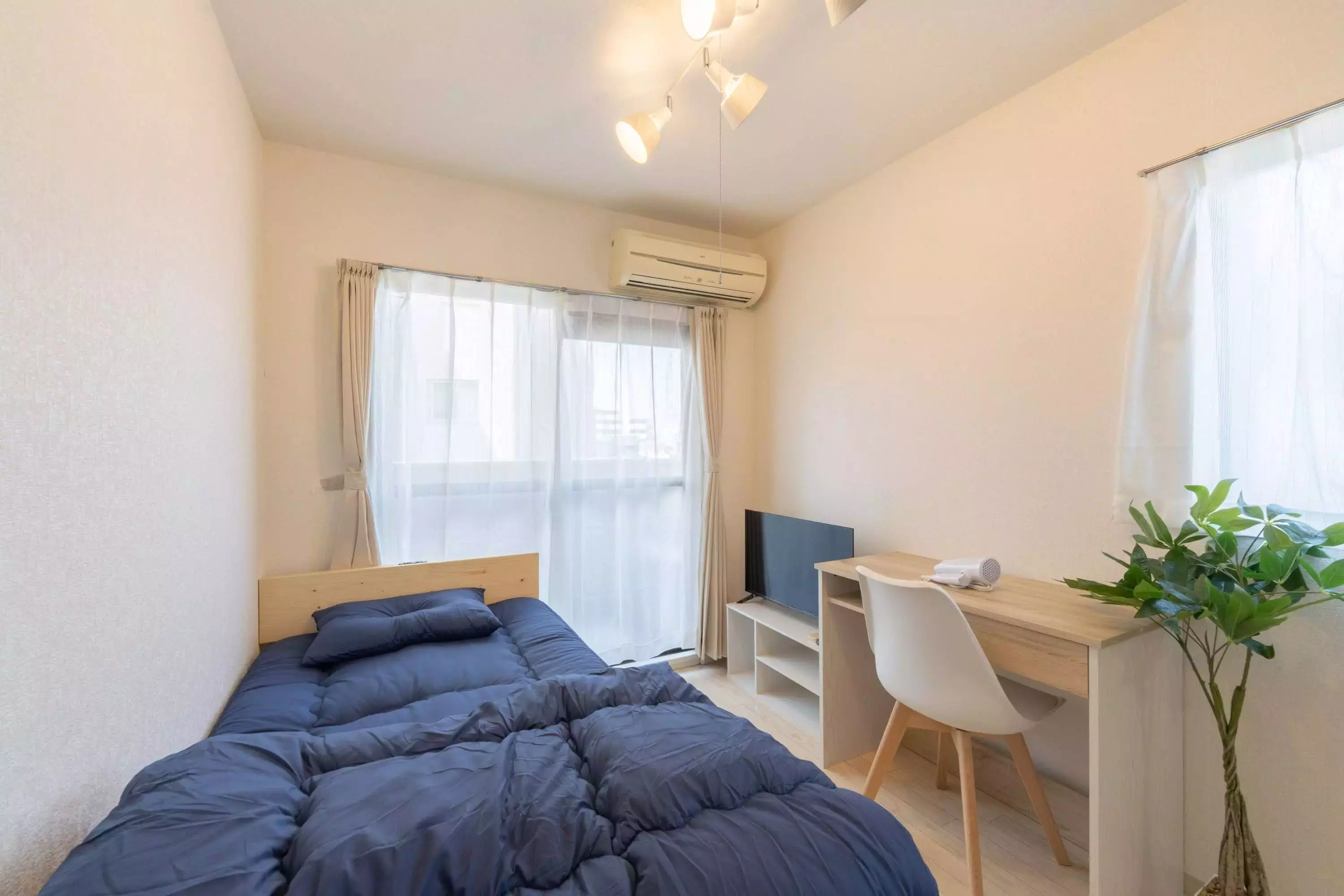
| Furniture and Home Appliances | It is generally provided as a standard feature. | I bought it myself |
| Plumbing | Shared (private rooms are independent) | Exclusive use |
| monthly | Rent + common service fee. Sometimes utilities are included. | Rent + management fee. Utilities are contracted separately. |
| Contract period | Many properties are available for short-term stays. | A two-year contract is common. |
| Interactions with other residents | Naturally occurring in common areas | Basically none |
The difference in costs can be seen in the "total amount".
Comparing only the monthly costs will lead to a misjudgment. You should add up the registration fee, monthly costs (rent and fixed common service fee), and move-out costs, and then multiply that by the number of months you plan to live there to make a comparison.
While typical rentals tend to have lower monthly costs, they require a lump sum for registration fee and the purchase of furniture and appliances. Shared housing has lower registration fee, but the monthly rent includes common service fee. Shared housing is more advantageous for shorter stays, and the difference narrows as the stay lengthens.
The differences in equipment should be considered in terms of "time of day of use".
The impact of shared bathrooms and kitchens varies depending on the time of day you use them. In properties where many people gather at the same time in the morning, the ratio of the number of bathrooms to the number of residents significantly impacts usability. If you return home late at night, you may be able to avoid peak hours.
The difference in contracts is what matters when "plans change."
Typical rental agreements are usually for two years, and early termination may incur penalties. Shared housing, on the other hand, often offers short-term contracts, making it easier to adjust your options when your circumstances change. This difference is particularly beneficial for those whose plans, such as job transfers or further education, are unpredictable.
Search for a room
Only furnished properties with appliances are listed!
Criteria for deciding which one to choose
Consider the length of stay.
For stays of a few months or less, shared housing or furnished apartments with low registration fee tend to be more economical overall. If you plan to stay for several years, compare the total cost including regular rentals.
How much alone time do you want to have?
If your top priority is having time to yourself, then a home where you have exclusive use of the bathroom and kitchen is ideal. If your priority is keeping costs down, then a home with shared facilities is a better option. There's no right or wrong answer; it's simply a matter of choosing what you prioritize.
How much luggage should I take with me?
If you already own furniture and appliances, you'll need enough space to accommodate them. If you're still in the process of buying furniture and appliances, choosing a home with furnished furniture and appliances can save you money and hassle.
Do you want to make more acquaintances?
When moving to a new area, living in a residence with shared facilities can be a good way to get used to the new surroundings. Conversely, for those who prefer to spend their time alone after returning home, a private residence might be more suitable.
Things to check when choosing a shared plan
The design and locking mechanisms of the private rooms
Please check if the room is completely separated by walls, if it has a lock, and how big it is. Even though they are all called "private rooms," the layout can vary from property to property.
Number of plumbing fixtures and number of residents
We'll check how many toilets, showers, and washing machines there are, and how many people use them. Knowing the ratio will help us imagine how convenient they are during peak hours.
Cleaning and maintenance of common areas
Make sure to confirm who is responsible for cleaning, how often, and who to contact in case of problems. Properties where these two things are clear tend to have more stable conditions in their common areas.
What is included in the monthly fee?
Check whether utilities (water, electricity, gas) and internet usage fees are included in the common service fee or if they are charged separately. If they are charged separately, the difference can range from several thousand yen to 10,000 yen per month.
Search for a room
Only furnished properties with appliances are listed!
XROSS HOUSE Homes
XROSS HOUSE operates shared houses and furnished apartments in 11 prefectures, primarily in Tokyo. They offer both shared and private apartment options, allowing for comparisons within the same management company.
Breakdown of costs
| expense item | Price (tax included) | Content |
|---|---|---|
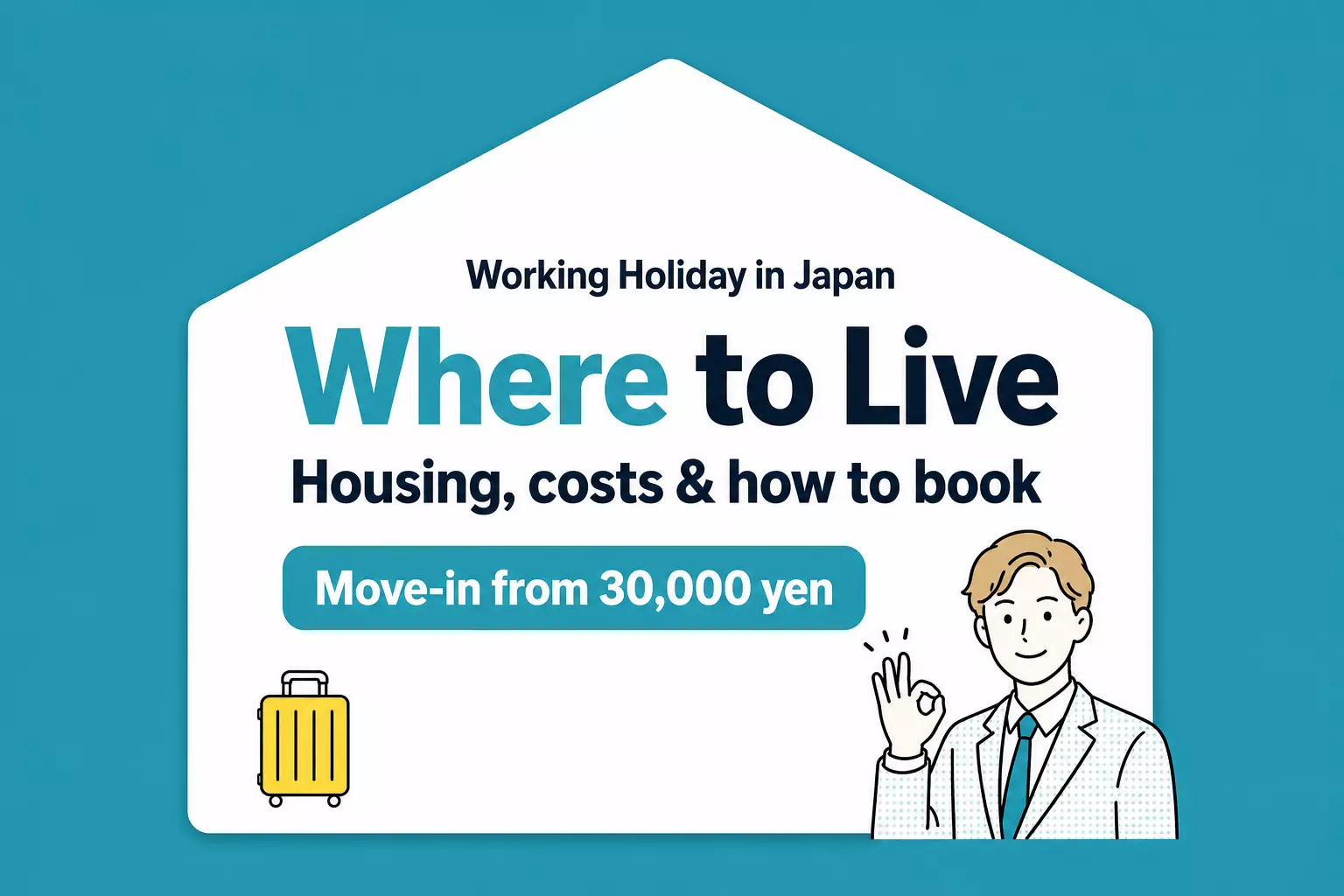
| registration fee | 30,000 yen | No With Zero deposit / key money / brokerage fee is required. |
| rent | Varies depending on the property and room type. | It varies depending on the room type, such as private rooms or dormitories. |
| common service fee | 15,000 yen/month | Includes utilities (water, electricity, gas) and shared equipment costs. |
| Peace of Mind Support Fee | 1,500 yen/month | This is the cost of dealing with problems at your home. |
Since utilities (water, electricity, gas) and internet usage fees are included in the common service fee, the monthly payment amount is determined before moving in. This makes it easy to compare the total cost.
A co-signer is not required. However, if you are signing a contract as an individual, you will generally need to join a guarantee company, and an initial guarantee fee and a monthly guarantee fee will be charged separately from the registration fee. The amount will be determined during the application screening process and will be provided in the estimate. Please note that if you are staying for a short period and pay the full amount upfront, you will not need to join a guarantee company at all.
You can choose between shared and private units.
For those looking to keep costs down, we offer private rooms in shared houses or dormitories. For those who want to have their own kitchen and bathroom, we have furnished apartments. You can move in as short as 7 days, and choose the option that best suits your length of stay.
You can find detailed information about the costs on the pricing page .
A system that allows you to move residences.
If your circumstances change after moving in, you can move to another property managed by XROSS HOUSE. You can also choose to live in a shared unit first and then move to a private unit. The conditions for eligibility will be explained to you at the time of move-in.
FAQ
What is the difference between a shared apartment and a shared house?
There is no clear difference in definition, and the scope varies depending on the operating company. Generally, a shared apartment refers to a type of accommodation where rooms are primarily private and bathrooms are shared, while a shared house is a broader term that includes various types, from private rooms to dormitories. Compare them not by name, but by how independent the rooms are and what is shared.
Which is Affordable, a shared apartment or a regular rental apartment?
It depends on how long you plan to stay. Compare the total cost by adding up the registration fee, monthly fees, and move-out fees, and multiplying that by the number of months you'll be staying. Shared accommodation tends to be more advantageous for shorter stays, while the difference narrows as the stay lengthens.
Can the private rooms be locked?
It varies depending on the property. XROSS HOUSE's private rooms can be locked. This is one of the things you should check before applying.
Can I have exclusive use of the bathroom and kitchen facilities even in a shared apartment?
If you choose a furnished apartment, you'll have your own kitchen, bathroom, and toilet. This is a good option if you want to keep registration fee down but still want to have the bathroom and toilet facilities to yourself.
Can I change my residence midway through the trip?
At XROSS HOUSE, you can move between properties managed by the same company. You can also try living in a shared unit first and then move to a private unit. The conditions for eligibility will be explained to you upon move-in.
Is it possible to stay here for a short period of time?
You can move into XROSS HOUSE in as little as 7 days. If you pay for your entire stay in advance, you do not need to join a guarantee company.
Search for a room
Only furnished properties with appliances are listed!
summary
The difference between a shared apartment, a shared house, and a regular rental property isn't the name, but rather "how much privacy you have in your room" and "what you share with how many people." Looking at these two points, they can be compared using the same criteria, regardless of the name.
When choosing a place, consider these four factors: the length of time you plan to live there, how much alone time you want, the amount of belongings you have, and whether you want to make new acquaintances. The difference in cost becomes clearer when you compare the total cost, including registration fee and move-out fees, rather than just the monthly fee.