
What LiVEMAX monthly apartments are
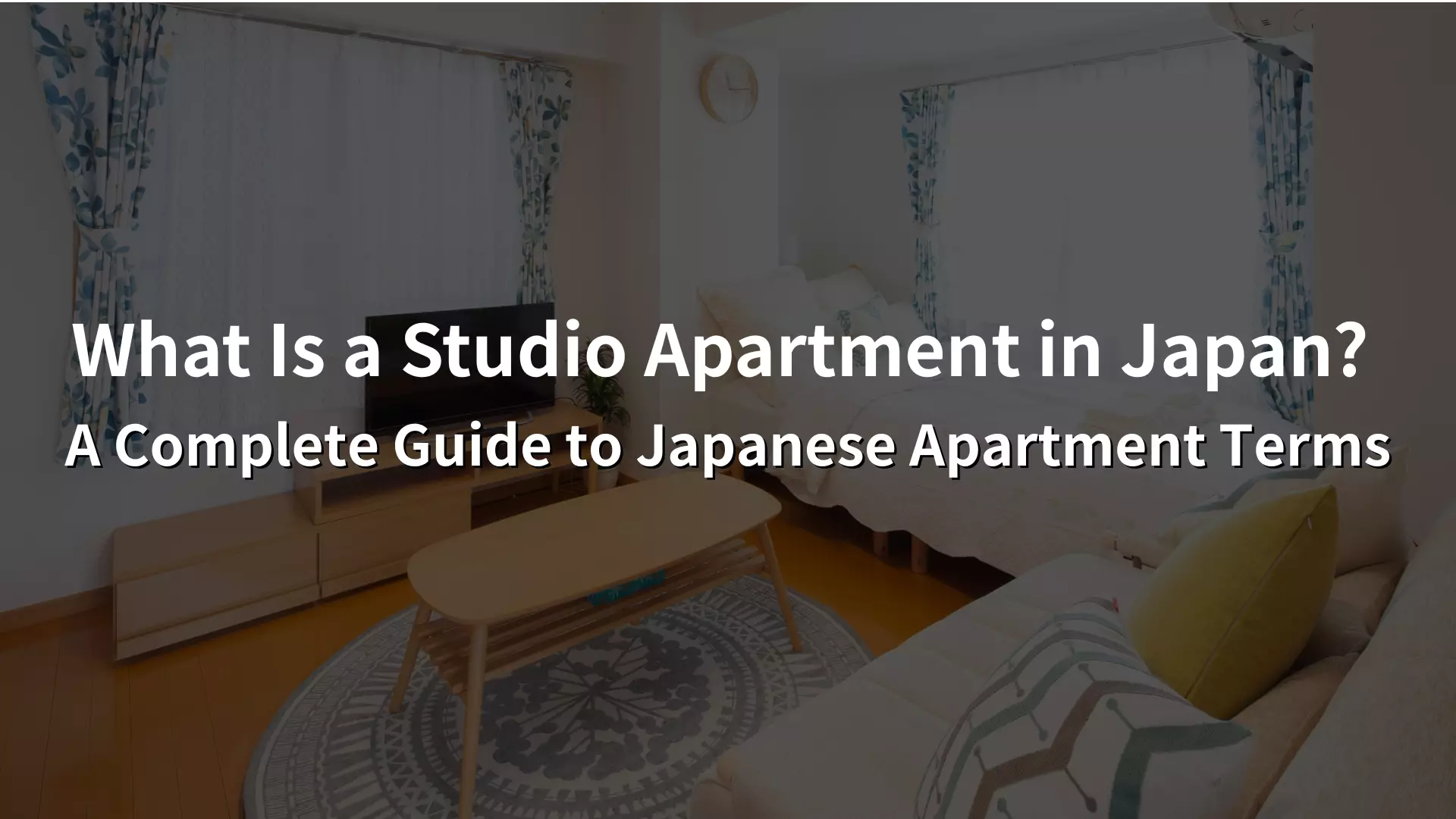
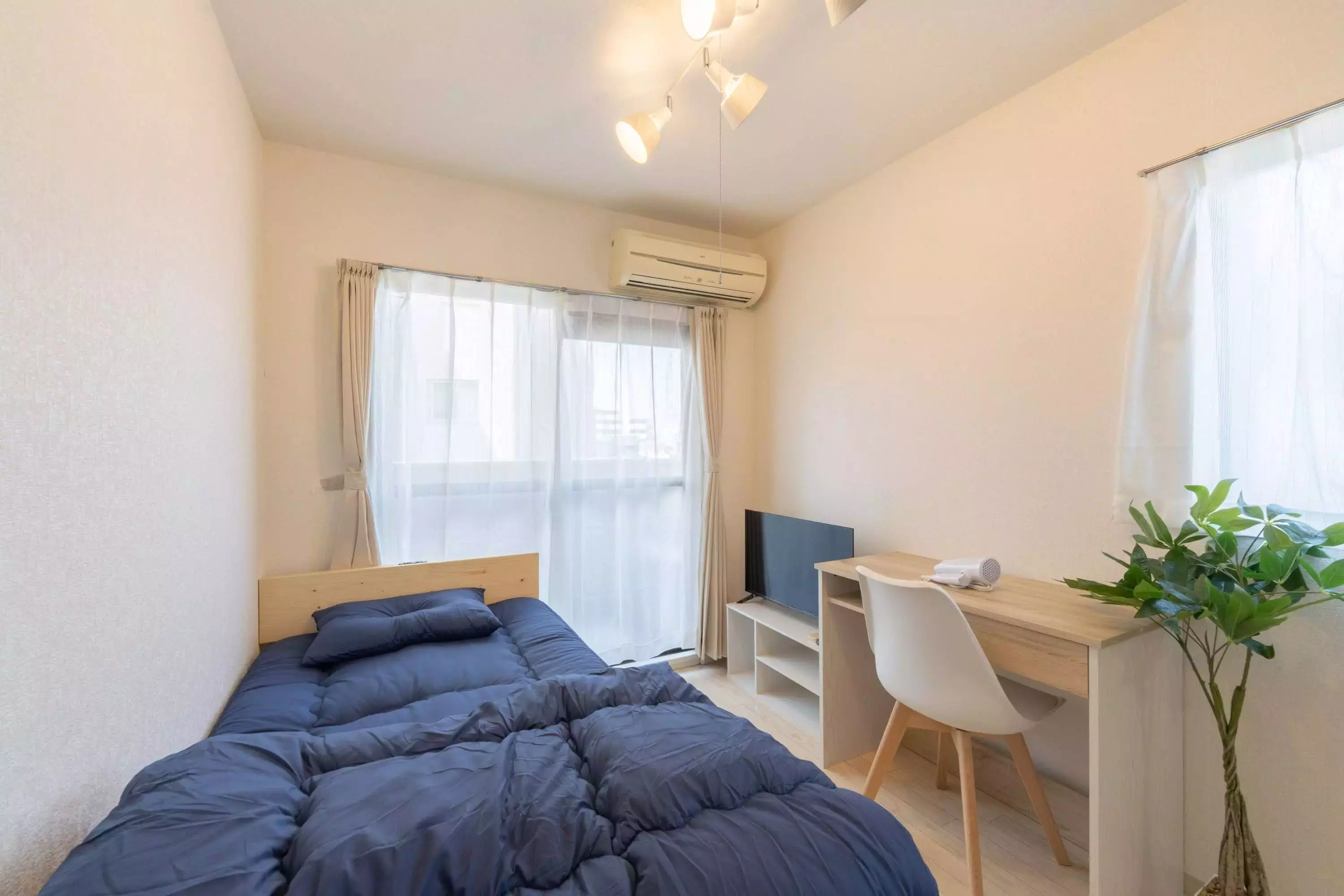
LiVEMAX monthly apartments are short-stay housing operated by LiVEMAX. The furniture and appliances are already in place, and you can sign by the week or by the month — which is where they differ from an ordinary rental.
Properties are concentrated in urban areas, and people take them for business trips, training periods, and as somewhere to live while waiting on a move. Plans and fittings vary from property to property, so check the operator's own information for current terms.
Why people choose monthly apartments
What monthly apartments have in common is that getting started takes little paperwork and little money. An ordinary rental costs several months of rent in deposit, key money and agency fees; monthly apartments mostly do without those, and since everything is furnished, you can start living there the day you move in.
They suit a stay of known length, or the gap before you settle somewhere permanently.
The contract is not an ordinary tenancy
Most monthly apartments run on a fixed-term tenancy or a facility-use contract. Unlike an ordinary tenancy, these do not renew when the term runs out. Whether you can extend, and what extending involves in paperwork and cost, is one of the things to settle before you sign.
Five things to check before you sign
You will find worried comments about monthly apartments online. Read them closely, though, and most describe something that checking the terms beforehand would have prevented. Whichever operator you go with, these five are worth confirming before you apply.
1. What the monthly figure includes
The monthly figure for a monthly apartment may have management fees, utilities and internet added on top of the rent. How much is bundled in, and what is billed separately, differs by operator.
Whether utilities are a flat rate or billed on actual use also changes the total. Get it in writing whether the figure you have been quoted really covers everything — that is what prevents a disagreement later.
2. What you pay when you leave, and how it is settled
Cleaning and restoration charges on departure are normal. It matters whether the amount is fixed in advance or worked out after an inspection, because that changes what you need to budget for.
If your contract involves money held on deposit, ask when it comes back. Look for wording like "within X days of departure" in the contract itself.
3. Whether you can view the property
Some monthly apartments cannot be viewed, because the previous resident is there until just before you move in. Where that is the case, you are judging on the photographs, when they were taken, the floor plan, and the list of fittings.
If the photographs are few or old, the reliable move is to ask the operator for current ones. That is what stops the room being different from the impression you had.
4. Residency registration and post
Depending on the contract type, you may not be able to register the address as your residence. If you need to file a move-in notification, or give your employer an address, confirm this before you apply.
Check how post and deliveries are handled too. On short contracts, nameplates on the postbox and access to delivery lockers can work differently from an ordinary rental.
5. Extending or cutting the stay short
Stays do not always go to plan. Whether you can stay on in the same room if you extend, and what happens to the cost of the remaining period if you leave early, are both worth settling before you sign.
On short contracts, money paid in advance is sometimes not refunded. If your dates could move, look at this one closely.
Search for a room
Only furnished properties with appliances are listed!
Who monthly apartments suit
If your dates are already fixed
A business trip, a training course, a posting to a project — anything where you know how long you will be there. Because the term is defined, you can let the place go the moment you no longer need it.
If you want to move in without buying anything
A bed, fridge, washing machine and microwave are provided, so you can move with very little. You avoid both the cost of buying appliances and the work of disposing of them afterwards.
If you need somewhere while you wait on a move
People also use them while the next place is being arranged, or during a renovation or rebuild. If your dates are hard to pin down, read the previous section on extending and cutting short alongside this.
How to compare short-stay housing
Besides monthly apartments, short stays are possible in furnished apartments and in share houses. Which fits depends on how long you are staying and what you care about. These three comparisons make it clearer.
Compare on the total
Comparing monthly figures alone leads you astray. Add the cost of moving in, the monthly cost (rent plus shared fees and other fixed charges), and what you pay when you leave. Multiply by the months you will be there and the gaps between options become obvious.
Compare privacy against shared space
How big the room is, whether the kitchen and bathroom are yours alone or shared, and whether there is common space — all of it shapes how the place feels to live in. Whether you put time alone first or cost first decides which type you want.
Compare how easily you can switch
If your stay runs long, or your workplace changes, can you change where you live? Whether an operator lets you move between its own properties is worth knowing before your plans change rather than after.
Search for a room
Only furnished properties with appliances are listed!
Furnished housing at XROSS HOUSE
XROSS HOUSE runs share houses and furnished apartments across 11 prefectures, centred on Tokyo. You can stay short-term or long-term, and the cost is broken down in advance.
What it costs
| Item | Amount (tax incl.) | Details |
|---|---|---|
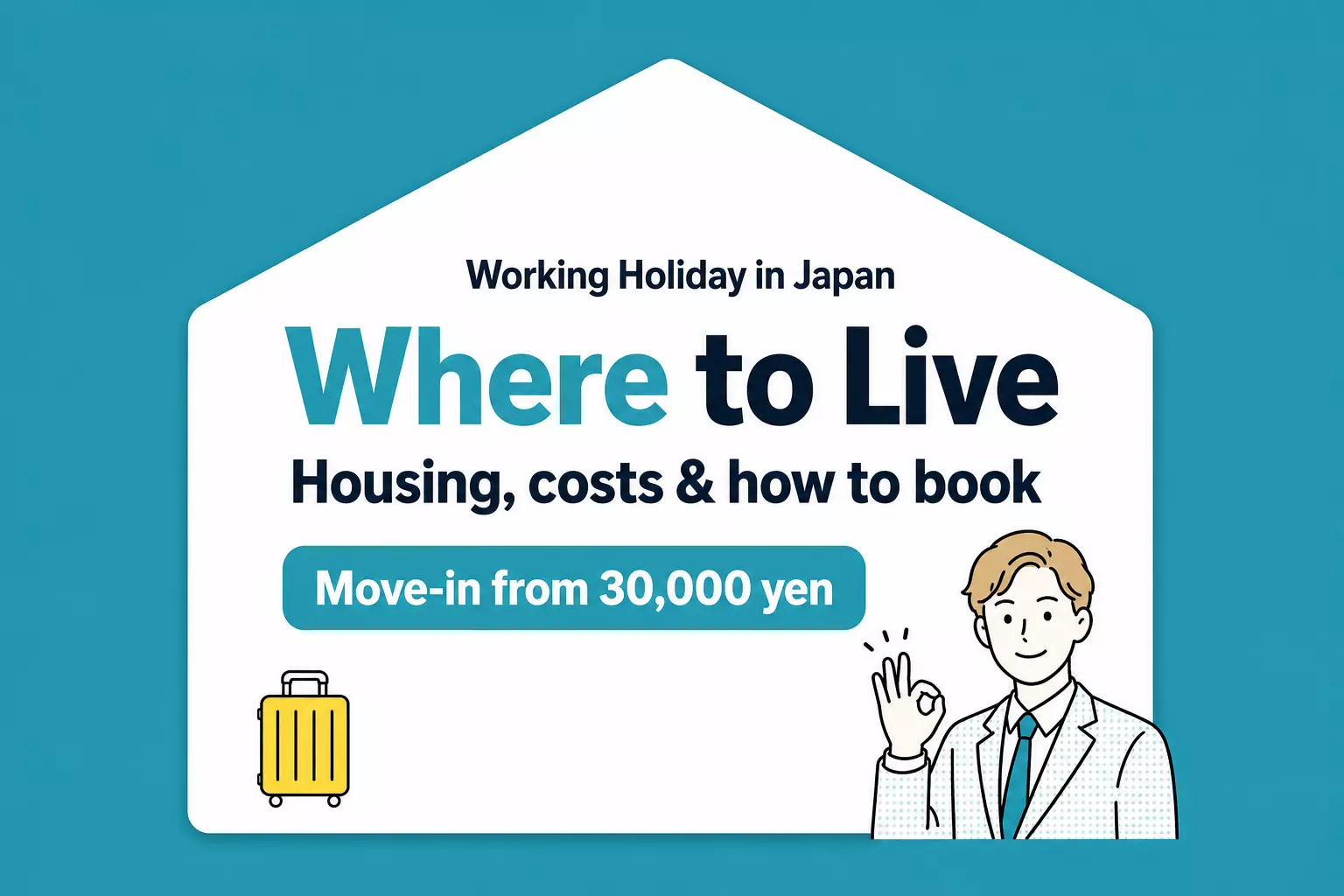
| Initial cost | 30,000 yen | No deposit, no key money, no agency fee |
| Rent | Varies by property and room type | Private room, dormitory and so on |
| Shared service fee | 15,000 yen/month | Covers utilities and shared supplies |
| Support fee | 1,500 yen/month | Covers help with problems in your home |
You do not need a personal guarantor. If you sign as an individual you will normally need to join a guarantor company, and an initial guarantee fee and a monthly guarantee fee apply on top of the initial cost. The amount is set by the screening when you apply, and we give it to you in your quote. If you are staying short-term and pay for your whole stay up front, you do not need a guarantor company at all.
Moving between properties
If your workplace or your circumstances change after you move in, you can move between properties XROSS HOUSE manages. That suits anyone whose dates are hard to pin down, or who would rather try somewhere first and decide later. We explain the conditions when you move in.
Room types
Share houses come as private rooms, semi-private rooms and dormitories. A private room suits anyone who wants a space of their own; a dormitory keeps the cost down. If you want your own kitchen and bathroom, there is the furnished apartment.
You can see the full cost breakdown on our fees page.
Frequently asked questions
What does the monthly figure at a monthly apartment include?
It depends on the operator and the property. Some quote rent alone, with management fees, utilities and internet added separately. Before you apply, get in writing what the quoted figure actually covers.
Can I view a monthly apartment first?
Not always — the previous resident may still be there. Where you cannot view it, you are judging on recent photographs, the floor plan and the list of fittings. Asking the operator for current photographs is the reliable step.
Do I pay anything when I leave?
Cleaning and restoration charges are normal. Whether the amount is fixed in advance or worked out after an inspection depends on the contract. Read that part of the contract before you apply.
Can I register a monthly apartment as my residence?
It depends on the contract type, and sometimes you cannot. If you need to file a move-in notification, or give your employer an address, confirm this before you apply.
Which is cheaper, a share house or a monthly apartment?
It depends on how long you stay and which room type you take, so the monthly figure alone will not tell you. Add the cost of moving in, the monthly cost and the cost of leaving, then multiply by the months you plan to stay.
What is the shortest stay at XROSS HOUSE?
Seven days. On a short stay you pay for the whole period up front, and you do not need to join a guarantor company.
Can I rent from XROSS HOUSE as a foreign national?
Yes. Most of our residents came to Japan from abroad, and we handle enquiries in several languages. Which documents you need depends on your residence status, and we explain that when you get in touch.
Search for a room
Only furnished properties with appliances are listed!
In summary
When you pick a monthly apartment, check five things: what the monthly figure includes, what you pay when you leave, whether you can view the room, whether you can register the address, and whether you can extend or cut the stay short. Settle those five before you apply, whoever the operator is, and most of the friction after you move in disappears.
If you are looking for somewhere short-term and want to compare furnished options where the costs are set out plainly, take a look at XROSS HOUSE too. It also works if your dates are open, or if you would rather live somewhere first and decide afterwards.