What do men need when living alone?
When a man starts living alone, it's important to efficiently acquire the necessary furniture, appliances, and daily necessities. Especially for men who are busy with work or school, creating a simple yet functional living space with only the essential items is crucial. The key to living comfortably while keeping initial costs down is to "make a list of necessary items, prioritize them, and acquire them accordingly."
This chapter provides a detailed list of essential items for men living alone, along with tips on choosing items specifically for men. Those about to start living alone or preparing to move should definitely refer to this.
List of things you need when living alone
For a single man living alone, the minimum necessities fall into three categories: furniture, home appliances, and daily necessities.
- In terms of furniture, "beds, tables, and curtains"
- Essential home appliances include a refrigerator, microwave, washing machine, and hair dryer.
- Examples of everyday necessities include kitchenware, bathroom supplies, laundry supplies, and toiletries.
These are essential basic items for a smooth start to your new life. Furthermore, some items will be needed immediately on moving day, so it's important to make a list beforehand. If you have the budget, stocking up on convenient items like storage cases and a vacuum cleaner will significantly improve your quality of life.
Essential items specific to men
When a man starts living alone, in addition to general household items, he should not forget to prepare essential items specific to men.
Typical items include grooming products such as electric shavers, shaving supplies, and styling products.
Additionally, irons, garment steamers, and simple storage boxes are invaluable for keeping clothes and rooms tidy. These items play a crucial role in maintaining cleanliness and building a lifestyle that suits you. Preparing items that match your lifestyle is key to a comfortable daily life.
How to choose essential home appliances and recommendations
For men living alone, it's important to have a balanced selection of essential furniture, appliances, and daily necessities. Especially for those living alone for the first time, determining what's necessary can be difficult, and insufficient preparation can become a source of stress.
In addition to essential items like a refrigerator, washing machine, and bedding, kitchenware and cleaning supplies are also indispensable for cooking and cleaning. Furthermore, to suit a man's lifestyle, preparing items like razors and men's grooming products will make living alone more comfortable. While living alone offers a high degree of freedom, self-management is crucial.
Avoiding unnecessary expenses and gradually acquiring necessary items by making a list will lead to a smooth start to your new life.
List of essential home appliances
When starting to live alone, it's efficient to make a list of essential items you need beforehand.
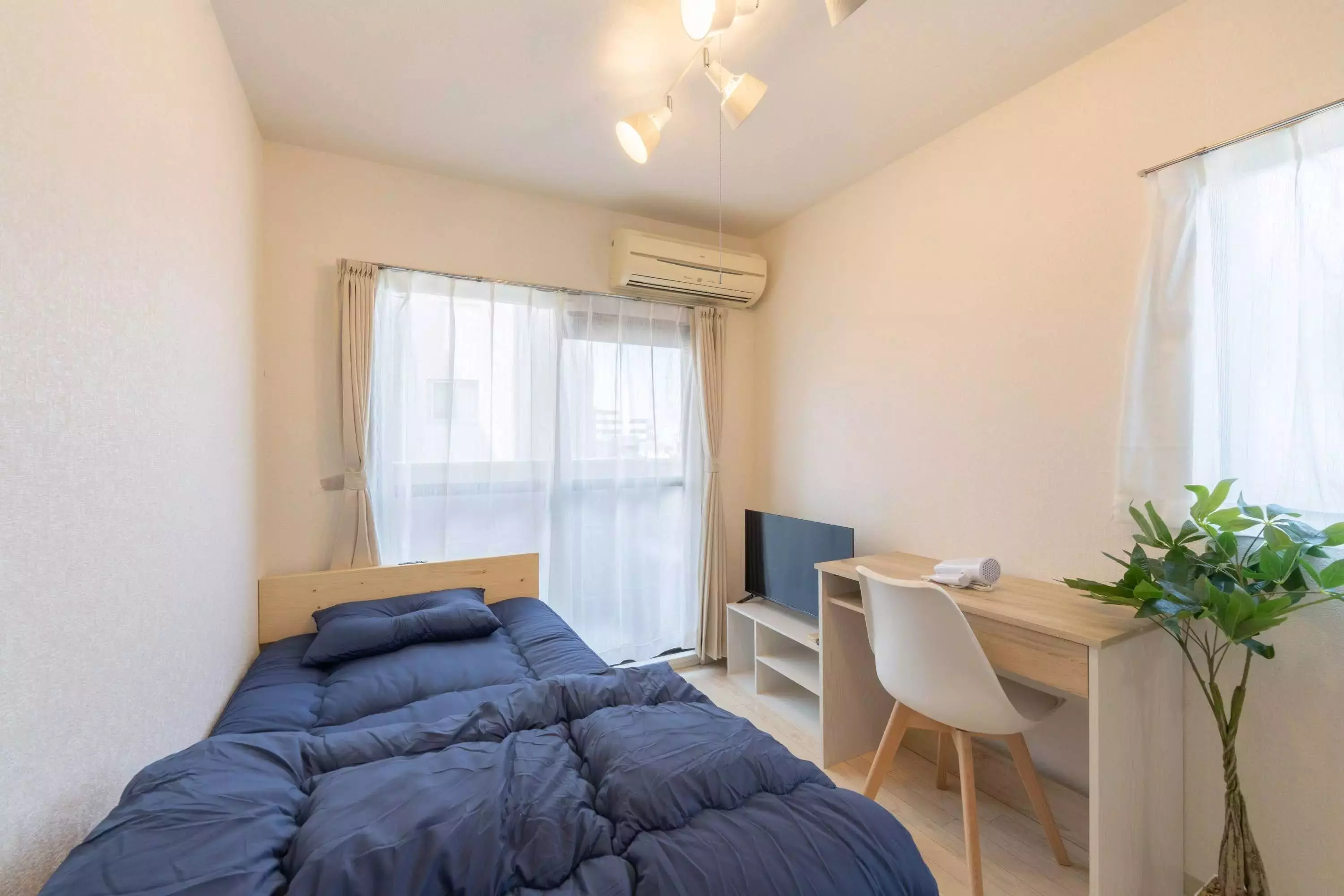
First, essential home appliances include a refrigerator, microwave, washing machine, lighting, and air conditioner. Furniture such as a bed, table, curtains, and storage shelves are also necessary. As for daily necessities, items that make life easier are important, such as toilet paper, detergent, dishes, towels, and garbage bags.
Also, be careful not to forget essentials you'll need on your first day of moving (such as a toothbrush, charger, and bath towel). The key is to prioritize and prepare things gradually, rather than trying to get everything at once. Using a list like this will help you prepare for living alone efficiently and without waste.
Estimated purchase costs and tips for keeping them down
For men living alone, having items that are specific to men, in addition to general necessities, can make life more comfortable.
Typical items include men's grooming products such as electric shavers, razors, and hair styling products. Sturdy hangers tailored to your body type and strength, and large-capacity storage cases are also very useful. To help you concentrate on work or hobbies, we recommend introducing a PC desk and chair. Furthermore, having deodorizing sprays and air fresheners on hand helps maintain cleanliness and provides peace of mind when guests are over.
By incorporating items that suit a man's lifestyle, you can achieve an independent life without undue stress. By focusing on often-overlooked "men's essentials," you can create a more practical and comfortable living space.
Search for a room
Only furnished properties with appliances are listed!
How to choose furniture and interior decor
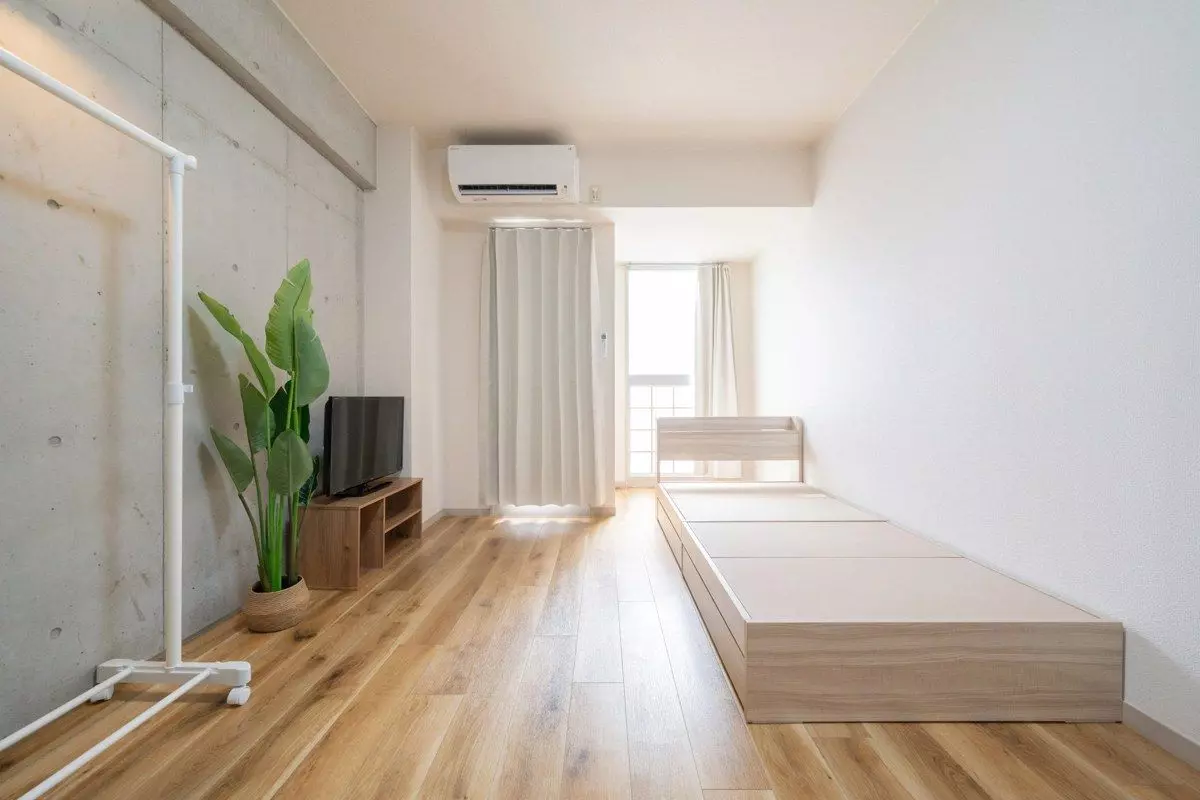
When choosing furniture and interior decor for living alone, the key points are "functionality" and "space-saving" that suit the size of the room and your lifestyle. Especially in limited spaces such as studio apartments or 1K apartments, carefully selecting only the essential furniture and arranging and sizing it will ensure a comfortable living space.
For example, choosing furniture that serves multiple purposes, such as a bed with storage or a folding table, allows for efficient use of space. Also, don't forget about creating a cohesive interior. Maintaining a consistent color scheme and design can make even a small room appear larger.
Choosing simple yet practical furniture, while also considering initial costs and the hassle of moving, is key to successful independent living.
Types of furniture suitable for living alone
For someone living alone, compact and multi-functional furniture is ideal.
- An essential item is bedding, which involves choosing a bed frame and either a mattress or a futon.
- If storage space is limited, a bed with built-in storage or a loft bed is a convenient option.
- Choose tables and desks that can be used for both eating and working, making efficient use of your space.
- For chairs, I recommend choosing a type that is comfortable even when sitting for long periods of time.
- For storage furniture, hanger racks and chests are useful in rooms without closets.
- By coordinating interior items such as curtains and rugs, you can create a comfortable and lived-in space.
Reducing unnecessary furniture and carefully selecting only what you need is the first step to creating a comfortable life living alone.
How to prepare and purchase daily necessities
When starting to live alone, one thing you shouldn't forget is preparing daily necessities. Compared to furniture and appliances, these tend to be put off until later, but since they are directly related to your daily life, it's important to have them all ready before moving in.
Everyday necessities fall into various categories such as "consumables," "cleaning supplies," and "hygiene products," and the key is to carefully select only the essentials you need for daily life.
In addition to 100-yen shops, drugstores, and home improvement stores, online retailers like Amazon and Rakuten are also convenient for purchasing these items. Buying heavy items like detergent and toilet paper online is particularly efficient. You can also save money by utilizing new-life support sets and bulk purchase sets.
Making a list of necessary items and purchasing them systematically will lead to efficient preparation without waste.
List of essential daily necessities
The minimum necessities for living alone are essential for a smooth daily life.
- The "bathroom and toilet supplies" category typically includes basic items such as shampoo, body wash, toothbrush, toilet paper, and toilet brush.
- For "laundry supplies," prepare detergent, hangers, and a laundry net. For "cleaning supplies," prepare a rag, a lint roller, and a vacuum cleaner (or a Swiffer).
- For "kitchen supplies," you'll need dish soap, a sponge, a dishcloth, and garbage bags. Don't forget hygiene items such as tissues, cotton swabs, and any necessary medications.
Since you'll often be using these items from the first day you move in, it's ideal to prepare them all in advance. These items can be purchased cheaply at 100-yen shops or drugstores, so you can gather them efficiently while keeping costs down.
Search for a room
Only furnished properties with appliances are listed!
Things you need on moving day
Moving day can be hectic, and not having the necessary items prepared can be extremely inconvenient. Especially right after utilities like gas, electricity, and water are connected, it's crucial to check what you need to bring the day before so you can start living a basic life as soon as possible.
In addition to daily necessities and hygiene products, be sure to pack things like a smartphone charger, cash, and identification. It's also a good idea to pack anything you might need before opening all your packages in your carry-on bag for peace of mind.
This chapter provides a list of items you should use immediately on moving day and items that can be dealt with later. Thorough preparation is essential to avoid chaos after the move.
Items you should have with you on your first day of moving
Since you'll be spending your first day after moving in with unpacked boxes still inside, you need to have anything you'll need immediately readily available.
The minimum necessities are a toothbrush, towel, toilet paper, tissues, drinks, a simple meal (such as instant noodles or rice balls), a garbage bag, a smartphone charger, toiletries, a change of clothes, and slippers.
Furthermore, a cutter or scissors will be essential for unpacking. In addition, it's safer to keep valuables (cash, insurance card, identification, etc.) with you at all times rather than putting them in cardboard boxes. Also, if you need to arrange for gas or water service activation, make sure you have the necessary documents and contact information readily available.
By gathering all of these items together in advance, you can ensure a smooth process on moving day.
Things that can be done later
There's no need to rush to buy things you won't need immediately after moving.
For example, decorative interior items, secondary cooking utensils, houseplants, decorative accessories, and secondary storage items can be put off without affecting daily life.
Also, when it comes to kitchen appliances, it's best to buy things like toasters and blenders only after you feel you need them. For cleaning supplies, start with the bare minimum, and you can choose a vacuum cleaner and other items with more flexibility later. You'll find that there are surprisingly many items that truly suit you only discover after you've lived with them for a while, so gradually adding things as your daily routine settles in is more cost-effective and prevents unnecessary expenses.
The key to successfully living alone is to start with the bare minimum on the first day and add more as needed.
Common mistakes men make when living alone
While men living alone can enjoy a high degree of freedom and start living at their own pace, many end up regretting their choices due to insufficient preparation or selection, thinking, "This wasn't what I expected."
Here, we introduce three common mistakes that men living alone often make and how to avoid them. To prevent these mistakes and live comfortably, be sure to check things before purchasing and make adjustments to your room.

Purchased furniture and appliances without checking the size.
One common mistake people make when living alone is "mismatching furniture and appliances due to insufficient size checks."
Large appliances and furniture, especially refrigerators, washing machines, and beds, can be purchased without considering the delivery route and the size of the room, which can lead to problems such as being unable to deliver them or the living space becoming cramped.
Also, the location of electrical outlets and the direction in which doors open are often overlooked points. When purchasing online, be sure to check the "external dimensions," "installation space," and "required passageway width," and choose a size with ample room. Checking the dimensions and measuring the intended installation location in advance will help you avoid unnecessary expenses and wasted time.
To maintain a comfortable room, be sure to carefully check the dimensions.
Items I bought prioritizing low price and regretted
Among men who start living alone with a focus on saving money, it's common to see cases where they choose furniture and appliances based solely on price, thinking "the cheaper the better," and end up regretting it.
For example, cheap beds and chairs are often uncomfortable and can cause back pain and stiff shoulders. Inexpensive home appliances can also be noisy or break down easily, ultimately leading to replacement costs.
Also, chests with insufficient storage capacity and easily broken storage items are typical examples of mistakes. It's important to check reviews, performance, and durability, not just the price.
By investing a reasonable amount in necessary items and choosing them based on whether they will last a long time, you can avoid unnecessary expenses and maintain a comfortable life living alone.
A layout that doesn't consider the flow of daily life
In many cases, men living alone tend to arrange their furniture haphazardly, resulting in poor living space and inefficient movement patterns.
For example, a layout that hinders daily activities, such as having the bed and table too close together, making it difficult to move around, or placing items in front of storage shelves that block the doors, can be a source of stress. Similarly, placing appliances in locations where the refrigerator door is difficult to open or where electrical outlets are far away can lead to persistent inconvenience.
When planning your layout, it's important to simulate "what actions you'll perform and in what order (waking up, going out/returning home, going to bed)." Ensuring a comfortable flow of movement reduces unnecessary steps, making household chores like cleaning and laundry smoother. A layout that balances functionality and ease of movement is key to a comfortable single-person living experience.
Search for a room
Only furnished properties with appliances are listed!
Estimated cost of living alone as a man
When a man starts living alone, it's important to have a clear understanding of both initial costs and monthly living expenses. Unplanned spending can strain the household budget and lower the quality of life.
Especially when signing a rental agreement, initial costs such as security deposit, key money, and brokerage fees are incurred in addition to the rent, so it is necessary to prepare a substantial amount of money. Moving expenses and the cost of purchasing furniture and appliances are also items that should not be overlooked. Furthermore, monthly living expenses include rent, utilities, food, communication costs, and daily necessities.
This section provides a detailed explanation of typical initial costs and estimated monthly living expenses, and introduces key points for financial planning to achieve a manageable lifestyle living alone.
Breakdown of initial costs
The first thing you'll need to pay when starting to live alone is "initial expenses."
The main breakdown is as follows:
- Security deposit (equivalent to one month's rent)
- Key money (equivalent to one month's rent)
- Brokerage fee (equivalent to one month's rent)
- Advance rent (one month's rent)
In total, this comes to roughly 4 to 6 months' worth of rent. For example, for a property with a monthly rent of 70,000 yen, initial costs alone would amount to approximately 280,000 to 420,000 yen. In addition, moving company fees often cost 20,000 to 50,000 yen, and furniture and appliances can cost around 100,000 to 200,000 yen, so you should budget a total of 400,000 to 700,000 yen.
To keep initial costs down, you can choose properties with no security deposit or key money, utilize furnished rentals, or buy secondhand items from recycling shops or online flea market apps.
Monthly living expenses
Living expenses are an important factor when continuing to live alone, as they are incurred every month. First, rent should generally be set at about one-third of your income, which is around 60,000 to 80,000 yen in Tokyo's 23 wards.
- Utility costs (electricity, gas, and water) are around 10,000 yen.
- Food expenses can range from 20,000 to 30,000 yen if you mainly cook at home, but can exceed 50,000 yen if you eat out frequently.
- Communication costs (smartphone/Wi-Fi) are approximately 5,000 to 10,000 yen.
- A rough estimate for daily necessities and miscellaneous expenses is around 3,000 to 5,000 yen.
Furthermore, including transportation and entertainment expenses, monthly living expenses typically amount to around 100,000 to 150,000 yen. Budget management and reviewing fixed costs are key to living a comfortable life.
By incorporating home cooking and money-saving techniques, and finding ways to reduce unnecessary expenses, you can achieve a financially and mentally stable life.
Property selection and security measures
When starting to live alone as a man, it's crucial to carefully consider both your choice of accommodation and security measures. To ensure a comfortable living space, you need to pay attention not only to location, layout, and rent, but also to the surrounding environment and security. Furthermore, even for men, having a high level of awareness regarding security is extremely effective in avoiding trouble.
This section provides a detailed explanation of specific points to consider when choosing a property, as well as security measures for those living alone.
Key points for choosing a property
When choosing an apartment for single occupancy, it's important to prioritize safety and convenience, not just rent and size.
- First, check the access to your workplace or school, and we recommend properties within a 10-minute walk from the station.
- It's also important to check if you can secure a route that is well-lit and has a lot of foot traffic at night.
- Reinforced concrete (RC) structures offer excellent sound insulation, earthquake resistance, and security, providing a safe and secure living environment.
- Also, check for features such as an automatic locking system, a video intercom, and security cameras.
- While the first floor is convenient, the second floor and above are considered safer in terms of security.
When viewing a property, it's important to check not only the amount of sunlight and storage space, but also the presence of neighboring buildings and people. This is key to ensuring a safe and secure new life.
Crime prevention measures for people living alone
Even for men living alone, crime prevention measures are essential. Especially in urban areas, there is a risk of intrusion by suspicious individuals and theft, and neglecting precautions could lead to becoming a victim.
First and foremost is "key management." Always lock your doors when you go out, and be careful about where you keep your keys and how you handle spare keys. In addition, installing auxiliary locks and security alarms on your front door and windows will give you peace of mind. A video intercom is very effective for dealing with visitors posing as delivery people.
Also, you should avoid posting your place of residence or information about where you're going on social media. By being vigilant and paying attention to security on a daily basis, you can prevent trouble and live alone with peace of mind. If necessary, consider installing security devices or home security systems.
Tips for making living alone more comfortable
To make living alone comfortable, you need not only good home amenities and interior design, but also careful planning of your lifestyle and smart shopping. Efficiently acquiring necessary items within a limited space and budget is the first step to a comfortable life.
For men living alone, in particular, the perspective of "carefully selecting only what is necessary" is crucial. Accumulating possessions without a plan can lead to storage problems and a cluttered room, so caution is necessary. Furthermore, there are ways to reduce costs through clever planning to keep initial expenses down.
Here are three specific tips for efficiently and comfortably starting to live alone.
Create a budget and set priorities.
When starting to live alone, it's important to first decide on your overall budget and then clearly define "how much you will spend on what."
Expenses are diverse, including rent, initial costs, furniture and appliances, daily necessities, and living expenses, so if you don't have a grasp of the overall picture, your expenses will quickly add up. Initial costs, in particular, can be a significant burden, so prioritize acquiring only the bare essentials.
When deciding on priorities, the key is to first prioritize things you can't live without (refrigerator, bedding, etc.), and then put off things that are convenient to have (television, sofa, etc.).
By creating a list in advance and visualizing your budget allocation, you can prevent unnecessary purchases and start your new life smoothly.
Make use of new life support sets and second-hand items
To acquire necessary items while keeping initial costs down, utilizing "new life support sets" and secondhand goods is highly effective. Electronics retailers and online shops offer packages that allow you to purchase refrigerators, washing machines, microwave ovens, etc., together at a discounted price, making them more cost-effective than buying items individually.
Additionally, you can find good-condition furniture and appliances at bargain prices by using second-hand shops and flea market apps. Especially for those new to living alone, it's more practical to prioritize functionality and price over appearance.
However, if you're buying used items, be sure to check that they're working properly and clean. By shopping wisely, you can save money while still enjoying a comfortable living environment.
Start with the bare minimum and buy more later.
In the initial stages of living alone, it's wise to focus on acquiring only the things you truly need. Trying to acquire everything perfectly often leads to wasted space and money, and results in accumulating items you don't actually use.
It's recommended to start by prioritizing essentials like a refrigerator, bedding, lighting, curtains, and kitchenware, and then add more items as you feel you need them while you're living there. By gradually acquiring items in this way, you can select only those that suit your lifestyle, which ultimately leads to saving money.
Especially for those living alone with limited storage space, avoiding accumulating unnecessary items is key to maintaining comfort. Flexibility in organizing as you go is essential.
summary
For men to successfully live alone, the most important thing is to "identify what you need and acquire it without waste." By understanding the initial costs and monthly living expenses, and then systematically preparing appliances, furniture, and daily necessities, you can achieve a comfortable life both financially and mentally.
Furthermore, choosing the right property and implementing security measures are crucial points, directly contributing to creating a safe and comfortable living environment. There's no need to have everything perfectly furnished from the start; starting with the bare minimum and adding items as needed is a realistic and efficient approach. Incorporate money-saving tips such as new-life support sets and secondhand goods, and create a space that reflects your personality.
Use this article as a guide to get off to your ideal start in independent living. The first step to a comfortable and stress-free life lies in the quality of your preparation.